
Last updated November 15, 2026
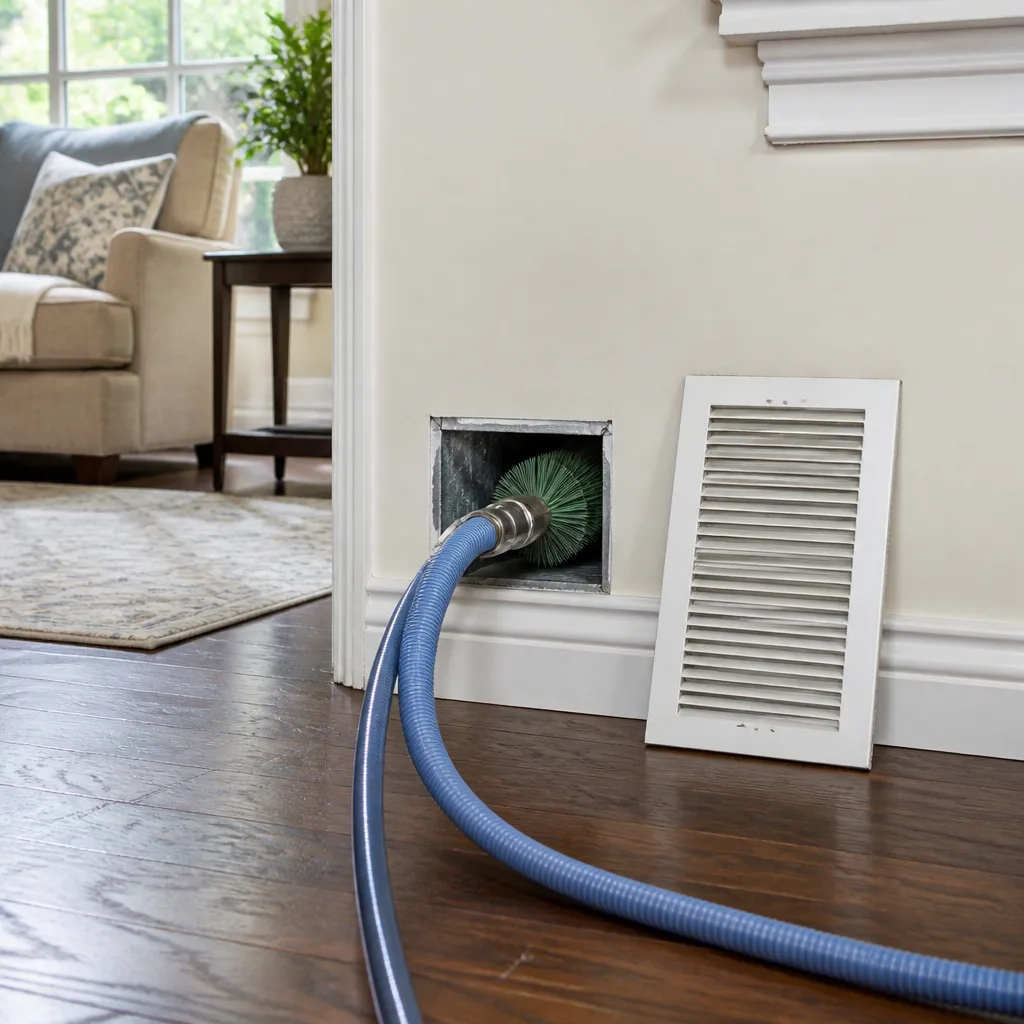 Whole-home duct cleaning
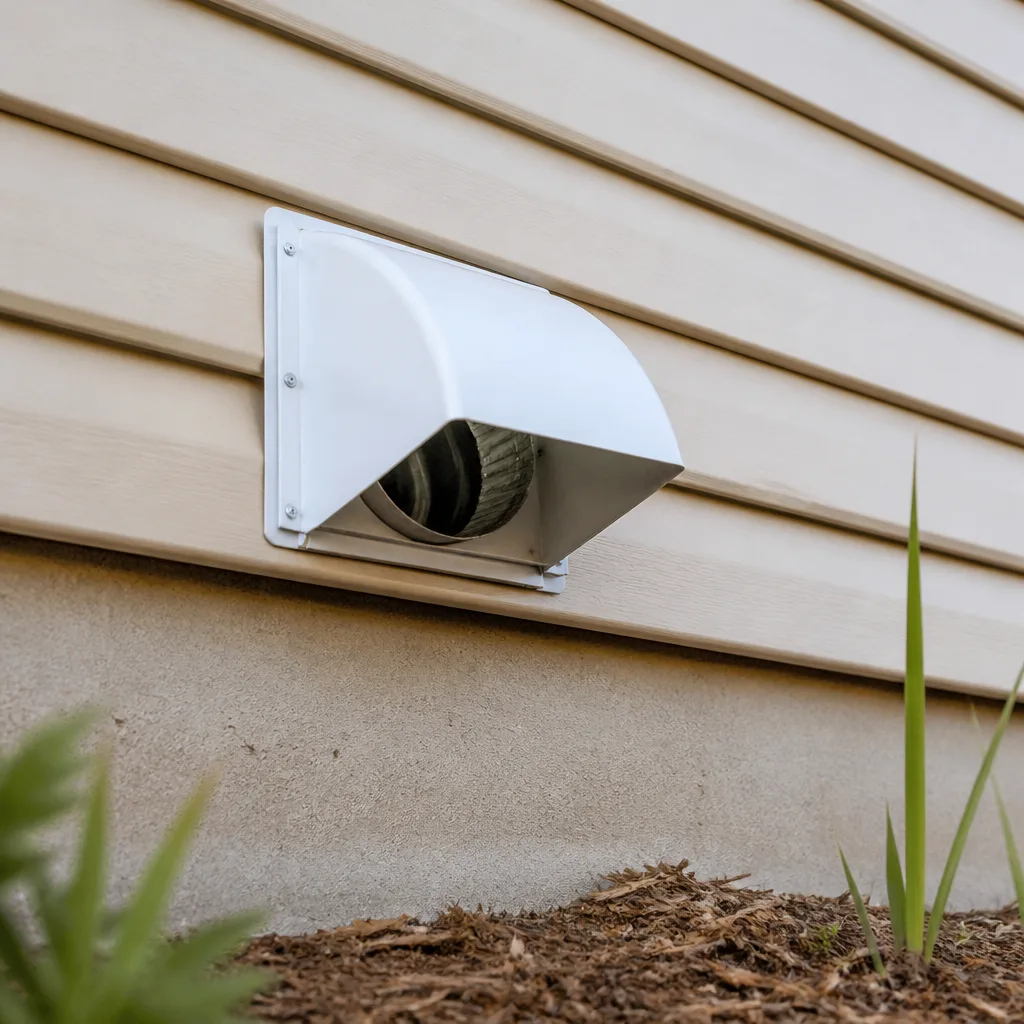 Dryer vent cleaning
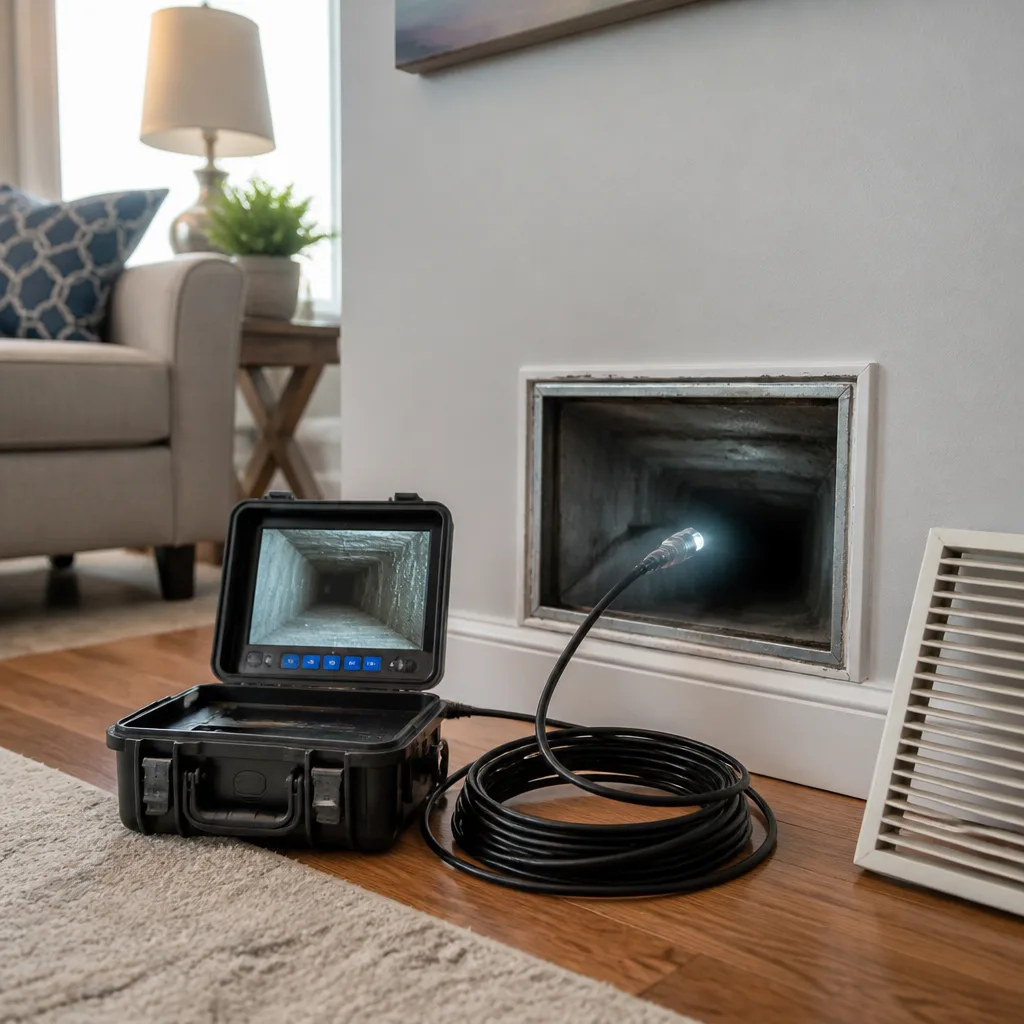 Camera inspection
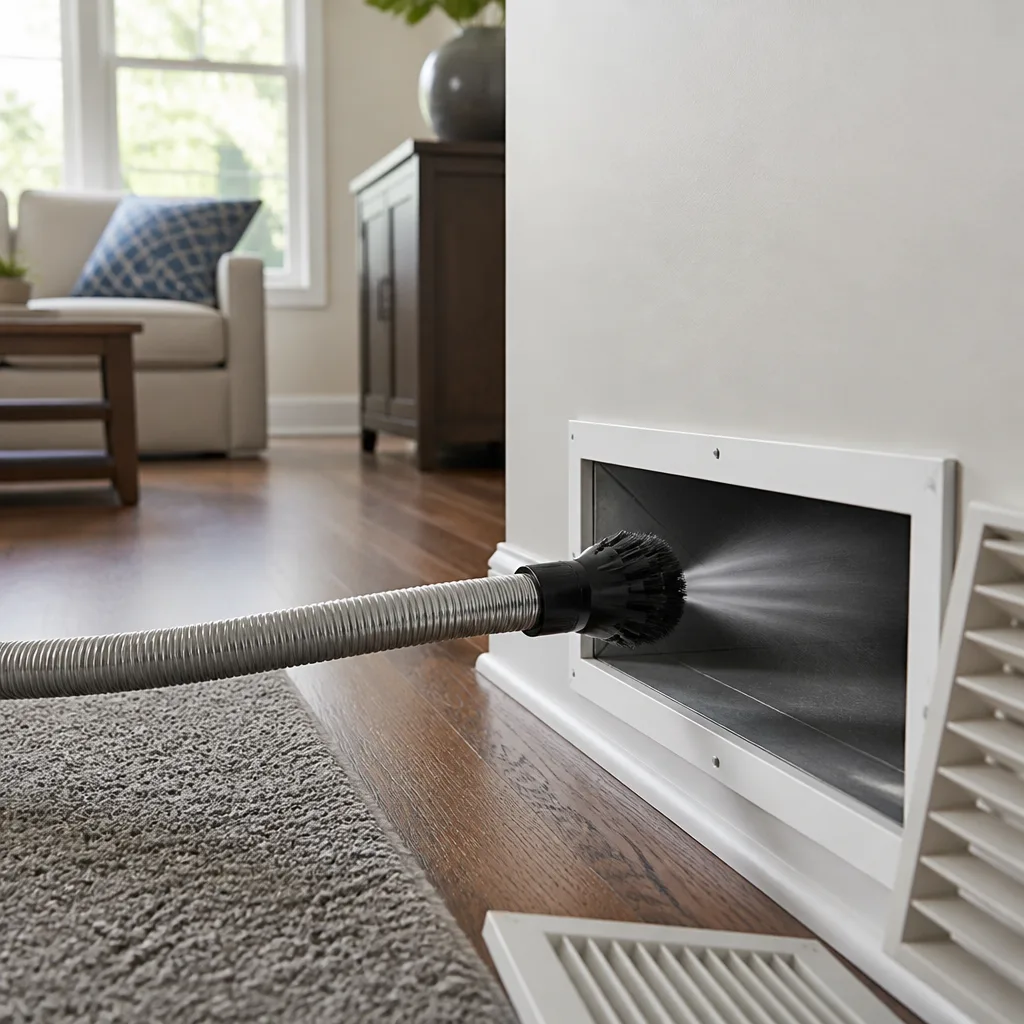 Sanitizing & deodorizing
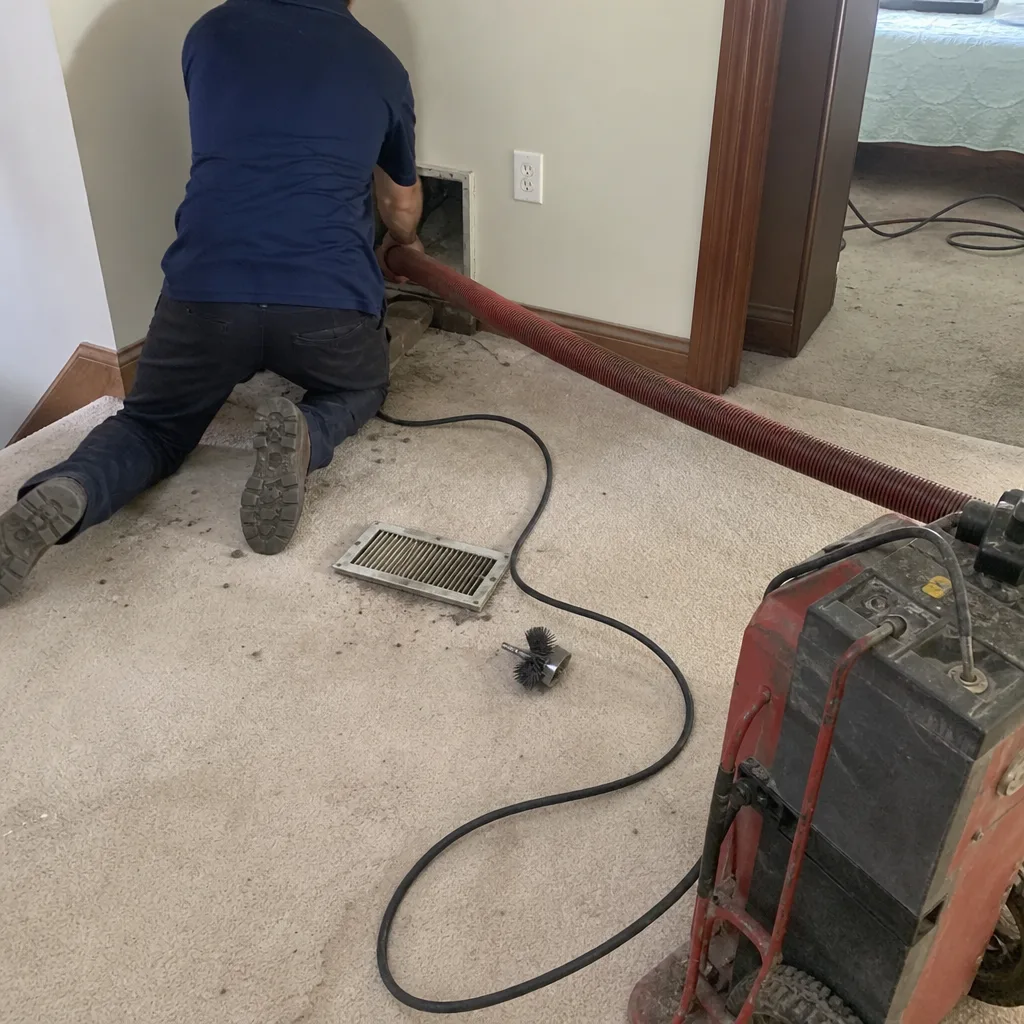
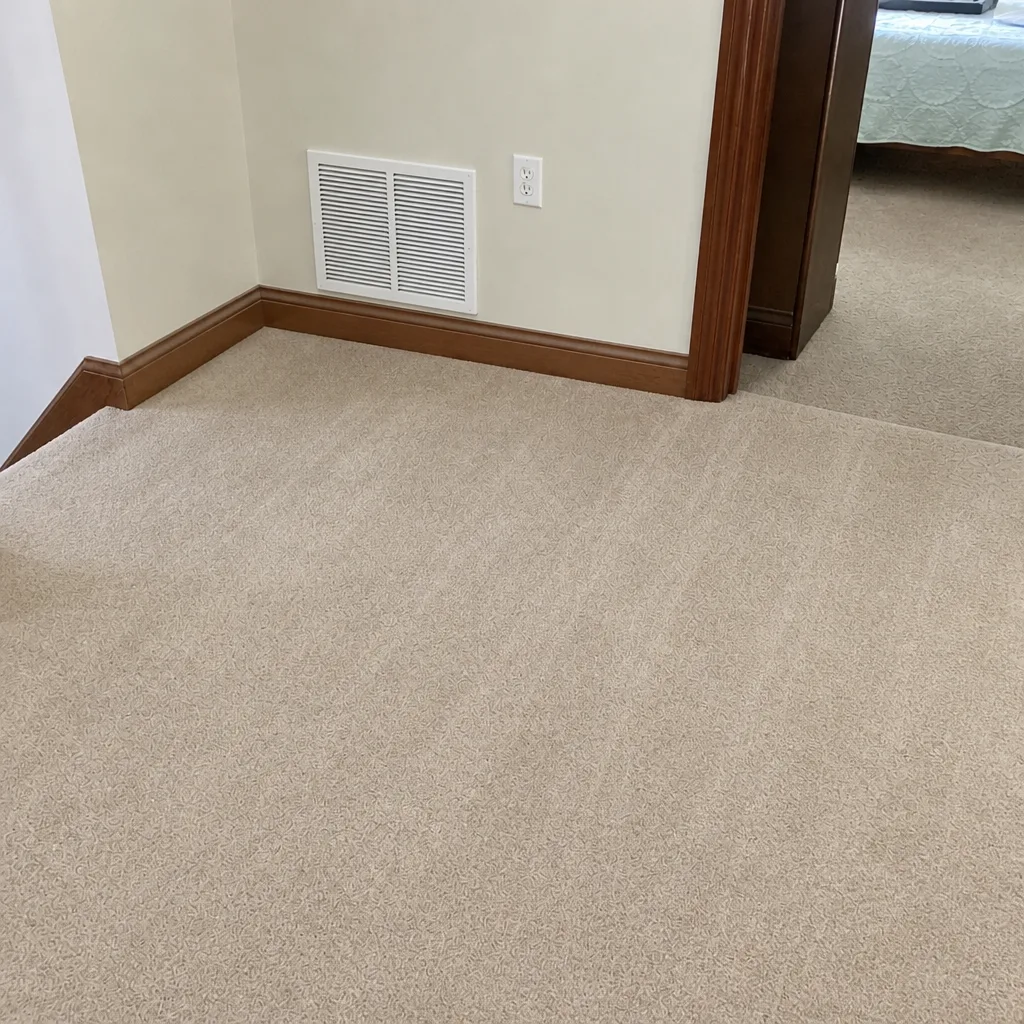
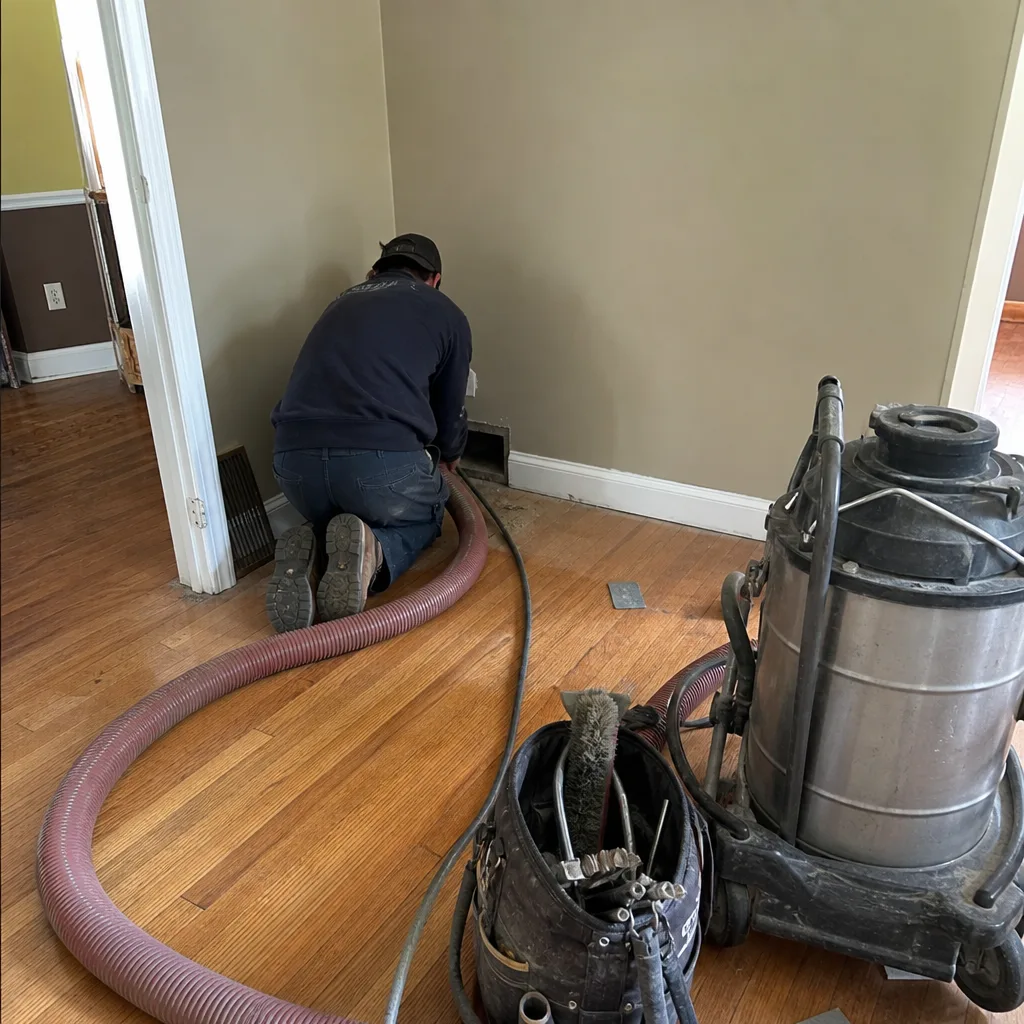
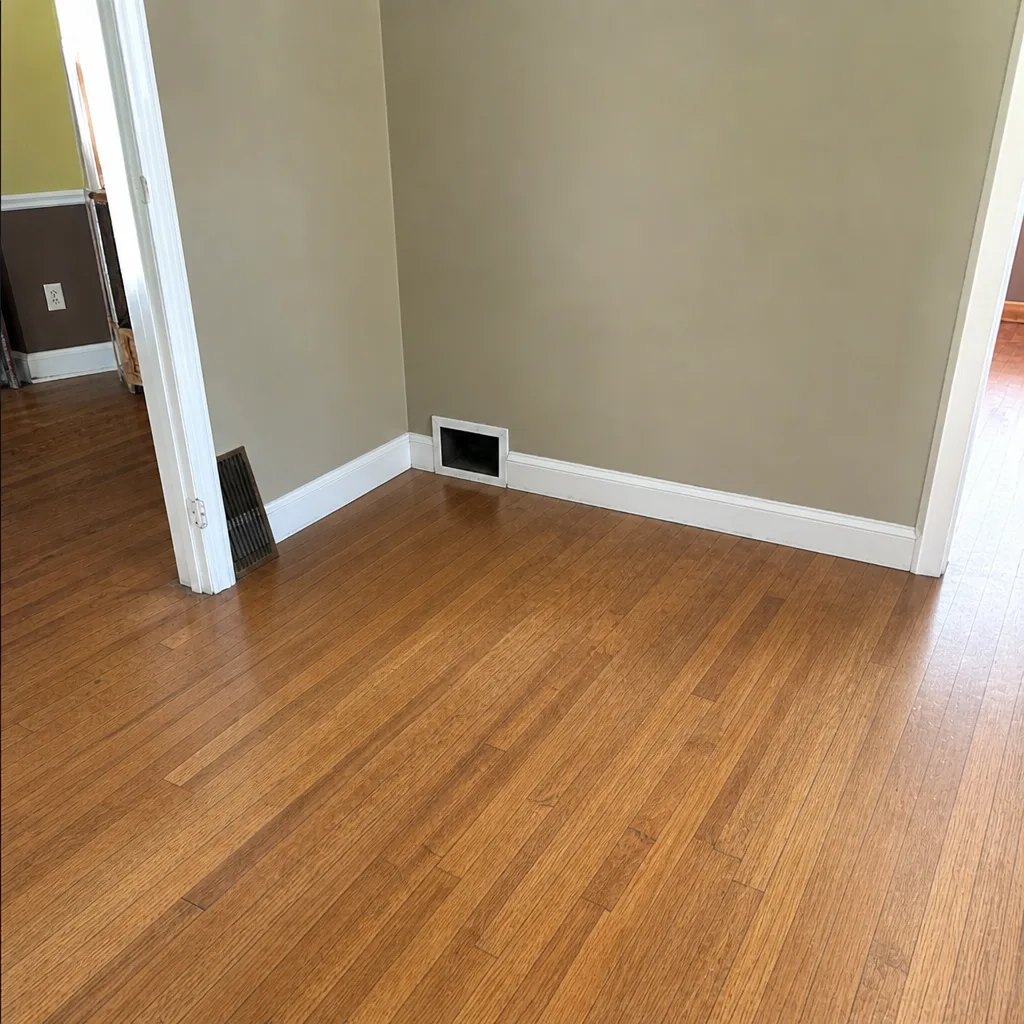
Whole-system duct and dryer vent check with before-and-after photos - you see exactly what came out of your vents
That "$99 whole-house special" is a bait ad - the real number appears once they are in your hallway, or the "clean" is a shop-vac at the register. We photograph the inside of your ducts before and after instead.
Air Duct Cleaning Emergency Preparedness Guide for Lynn Homes
After a kitchen fire, most Lynn homeowners open the windows, run fans for a day or two, and then go back to normal life. The smell fades. The walls get repainted. What almost nobody thinks about is the return system. Smoke particulate and char get pulled into return grilles during the fire and in the hours afterward, and they settle on duct surfaces that will release that contamination back into the air every time the system runs. The same pattern shows up after basement flooding and after major renovations. This guide covers what to do after a fire, a flood, or a big remodel before you run your HVAC system again, including how to document contamination for an insurance claim and why the order of work matters more than most people expect. Lynn’s dense older housing stock makes these scenarios common, not hypothetical.
Quick Answer
If your Lynn home has had a fire, flood, or major renovation, keep the HVAC system off until the structure is dry, debris is cleared, and the ductwork has been professionally assessed and cleaned. Cleaning must come after structural remediation and before the system restarts, and smoke, soot, or flood contamination in ducts usually requires more than a standard maintenance cleaning. Document everything with photos and a written contractor assessment so your Massachusetts insurer can review it alongside your other claim materials.
Styles & brands we work with
- Whole-home duct cleaning
- Dryer vent cleaning
- Camera inspection
- Sanitizing & deodorizing
Table of Contents
- Post-Fire: When to Run the System and When to Lock It Out
- Post-Flood Protocol for Lynn’s Low-Lying Neighborhoods
- Post-Renovation Contamination and the Register Problem
- How to Document Duct Contamination for a Massachusetts Insurance Claim
- The Right Order of Work After an Emergency
- Dryer Vent Safety in the Same Emergency Window
- Common Mistakes to Avoid
- When to Call a Professional
Post-Fire: When to Run the System and When to Lock It Out
After any fire in a Lynn home, the single most important early decision is whether the HVAC system runs at all. In most cases the answer is no until the fire department has cleared the scene, the structure has been assessed, and someone qualified has looked inside the ductwork. Running the system during or immediately after a fire does two things: it pulls fresh smoke and soot into the return plenum, and it distributes that contamination to rooms the fire never touched.
The instinct to air the house out with the HVAC fan is understandable, but it works against you. Open windows and a running air handler create a pressure pattern that draws smoke residue into return grilles and deposits it across duct interiors. A room that smells clean can still have a contaminated supply trunk feeding it.
What smoke and soot contamination actually looks like inside ductwork
Inside the ducts, post-fire contamination rarely looks like the char you see on a wall. It shows up as:
- Fine black or gray soot film on galvanized duct walls, especially on the return side
- Sticky residue where synthetic materials burned, which traps dust and odor over time
- Odor that returns whenever the system runs, even weeks after the fire
- Visible staining around return grilles and at joints where smoke entered
- Debris in the blower compartment and on the evaporator coil, not just in the ducts
Why standard cleaning isn’t enough after a structure fire
Routine maintenance cleaning lifts loose dust and debris. Post-fire work is a different job. Soot bonds to surfaces, and sticky smoke residue holds it there. Professional remediation work uses containment and negative pressure so contaminated air doesn’t migrate into clean rooms during cleaning, which is why we bring Abatement Technologies air filtration equipment to fire-related jobs. Rotary brush systems like Rotobrush and HEPA vacuum rigs like Nikro are designed for this kind of contact cleaning. A shop-vac and a hand brush won’t touch it.
When it’s safe to restart the system
- The fire department has released the property and structural assessment is complete.
- Any water used to fight the fire has been dried out from the structure and plenums.
- The ductwork has been cleaned and, where needed, repaired or sealed.
- Filters have been replaced with new ones appropriate to the system.
- Air quality has been checked in the rooms that matter most to you.
Only then does the system go back into service. Skipping a step is how a Lynn homeowner ends up with lingering smoke odor for months.
Post-Flood Protocol for Lynn’s Low-Lying Neighborhoods
Basement flooding is a recurring reality in parts of Lynn, particularly the low ground near the Saugus River basin and in older neighborhoods where foundation drainage and grading haven’t kept pace with heavier rain. When water reaches the mechanical area, return plenums and duct runs that sit low or pass through a damp basement are exposed. Water doesn’t need to be deep to cause a problem; prolonged high humidity in a wet basement is enough to support microbial growth on duct liners, insulation, and the dust film already coating the interior.
What standing water does to a return plenum
Return plenums are often the lowest point of the duct system and the first to get wet. Once they do, three things happen in sequence:
- Duct liner and any internal insulation absorb water and stay damp long after visible water is gone.
- Dust and debris already in the duct become a food source for mold and bacteria in that damp environment.
- The air handler pulls air across that contamination and distributes it through the home.
Flexible ductwork that has been submerged usually can’t be cleaned back to a safe state; it’s a replacement item. Rigid galvanized runs can often be cleaned and dried, but they need to be dry before the system runs again.
Why drying has to come first
Cleaning a wet duct system is a waste of money. If the interior is still holding moisture, contamination comes back quickly, and you’ve paid for a job that has to be repeated. Drying the basement, removing standing water, and running dehumidification until the structure reads dry is the first step in a flood response. Only then does duct cleaning make sense. When flood water has been present, we treat the job as a remediation with negative pressure and filtration rather than a routine cleaning.
The order for flood recovery
- Remove standing water and any soaked materials from the basement and mechanical area.
- Dry the structure thoroughly; keep the HVAC system off in the meantime.
- Document damage with photos before and after drying.
- Have the duct system assessed for damage, replacement, and microbial presence.
- Clean and, where necessary, repair or replace affected sections.
- Replace filters and restart the system once everything reads dry.
Post-Renovation Contamination and the Register Problem
A major renovation produces enormous amounts of fine dust, and most of it is not going to settle where the contractor put down drop cloths. Construction dust gets pulled into return grilles as soon as the HVAC system runs, which it usually does at some point during the project, and once it’s in the ducts it stays there until it’s professionally removed.
What’s in construction dust
It isn’t like ordinary household dust. Sanding, cutting, and demolition produce:
- Drywall dust, which is largely silica and gypsum and highly abrasive to blower wheels and coils
- Wood particulate from cutting and sanding, especially in older homes where paint may contain lead
- Insulation fibers from any wall or ceiling work
- General renovation debris like sawdust, adhesive residue, and foam particulates
Drywall dust is the big one for equipment. It packs onto fans, motor housings, and coils and reduces system performance over time. When it’s pulled into ducts, it also provides a fine substrate that traps subsequent dust and allergens.
The register sealing problem
Contractors are supposed to seal return and supply registers during a renovation. In practice many don’t, or they tape a couple and miss others, or the tape peels off by day three. If a project in a Lynn home involved significant cutting, sanding, or demo work and the registers weren’t consistently covered, assume contamination has entered the system and get it checked.
When to schedule post-renovation cleaning
The right time is after the last significant dust-producing work is finished and after final cleanup, but before you settle back into normal life. Wait for the project to be genuinely done. If a final inspection still needs to happen and it doesn’t generate dust, that’s fine; cleaning between the last dusty phase and the inspection is good timing. If you’re also replacing the HVAC filter, replace it after cleaning, not before. Once cleaning and repair are complete, we can often add sanitizing and protective finishing with Guardsman-brand products.
How to Document Duct Contamination for a Massachusetts Insurance Claim
Insurers evaluate duct contamination claims on evidence. The more complete your documentation, the more straightforward the process tends to be. Everything below is general guidance for a Massachusetts homeowner’s claim; your own policy determines what’s actually covered, so read it and talk to your adjuster.
What to photograph
- Wide shots of the affected rooms showing smoke or water damage in context
- Close-ups of visible contamination at return and supply grilles
- Photos of any standing water, soot, or debris in the mechanical area
- Interior shots of accessible duct openings, if your contractor provides them
- Details of any tape, seal, or register that failed or was missing during the event
Photograph before remediation, not after. If a contractor cleans the system before you’ve documented, you’ve lost the visual record your insurer will want.
Written contractor assessment
A written assessment from the duct contractor carries more weight than a phone call. Ask for it to include the interior condition observed, the type of contamination suspected, the recommended scope of work, and a photographic record. We provide this as part of our work so the claim file is complete on both sides.
Air quality readings
Where an equipment service has monitored indoor air quality before and after cleaning, those readings can help close a claim. Be careful, though: indoor air quality measurements vary widely by device and method, and your insurer might not consider them decisive on their own. The photos and written assessment are the core of the file; readings are supporting evidence.
Coordinating with your adjuster
- Open the claim promptly and tell your adjuster that ductwork may be affected.
- Ask whether your policy requires a professional assessment before approval.
- Submit the written assessment and photos together, not piecemeal.
- Keep a record of who came out and when, and of any approved scope.
- Hold off on the work itself until you know what your insurer will cover, unless delaying causes further damage.
The Right Order of Work After an Emergency
Sequence matters more than most homeowners realize. Fire, flood, and renovation recovery all follow the same basic structure: stop the source of the damage, dry and stabilize the structure, assess and clean the ducts, and only then restart the HVAC system. Reversing the order invites repeat contamination and repeat cost.
Step-by-step sequence
- Secure the property and stop further damage. Fire department release for a fire, water extraction and drying for a flood, and dust control for a renovation.
- Document everything with photos and a written record before any cleaning begins.
- Coordinate the trade work. Structural repair, drywall, paint, and any mold or water mitigation happen before duct cleaning so those trades don’t recontaminate the ducts you just cleaned.
- Assess and clean the duct system once the structure is stable and dry. This is the step we’re here for. Our duct cleaning in Lynn work covers assessment, cleaning, and where necessary air duct cleaning and repair in the same visit.
- Test and restart the HVAC system after cleaning, filter replacement, and a final walkthrough.
Why duct cleaning has to come before HVAC restart
Every minute a contaminated system runs, it pushes soot, dust, or moisture-laden air through the home and into equipment. Restarting before cleaning does damage that has to be undone. The reverse is just as bad: if the construction or drying work isn’t truly finished, cleaning happens too early and the ducts get dirty again. Coordinating the schedule with the general contractor and any remediation company usually means one conversation and one clean handoff.
Coordinating with other contractors
Ask your general contractor for the date the property will be dust-free and put duct cleaning in the schedule right after that, before any test or handover date. If a water mitigation company is drying the structure, ask when it will confirm everything reads dry; cleaning waits until then. If the ducts themselves need repair, our technical team can usually seal, patch, and restore compromised sections in the same visit as the cleaning so the sequence doesn’t drag on.
How we handle a call from a Lynn home
We ask about the event, the timeline, and the state of the structure, then talk through what needs to happen and in what order. That might mean a site visit before you’re ready for cleaning. The purpose is to make sure the sequence works for your situation, not just for a standard maintenance job.
Dryer Vent Safety in the Same Emergency Window
Lint buildup in a dryer vent is one of the leading causes of residential house fires, and a post-emergency recovery is a natural moment to check it. If a fire or flood has happened, and especially if the dryer hasn’t been run in weeks or has sat in a damp basement, the vent line is worth inspecting. Lint is highly flammable, and heat, moisture, and long horizontal vent runs accelerate buildup. It’s a fire-safety check, not a luxury line item.
We include dryer vent cleaning as one of our core services for that reason. Many duct cleaners skip the vent line or upcharge it as an add-on. In our view, if we’re already in the house for fire or flood recovery, checking the dryer vent is part of doing the job right. It takes minutes and it addresses a known fire risk.
The same logic applies to the vent terminations on the outside of the house. A flap that doesn’t open, a screen clogged with lint, or a run that terminates inside a soffit is cause for concern. Any of those, especially after a renovation where the exterior may have changed, is worth having a technician look at.
Common Mistakes to Avoid
- Running the HVAC system right after a fire to “air it out.” It pulls concentrated smoke into the return plenum and distributes it through the house. Keep the system off until the ducts are assessed.
- Cleaning ducts in a damp basement before drying is complete. In Lynn’s low-lying areas near the Saugus River basin this is a common error. Contamination comes back, and you’ve paid twice.
- Letting the contractor “handle” the register sealing during a renovation. Ask for it in the scope in writing and walk the rooms to check coverage before dust work starts. Most register-sealing failures are visible on first inspection.
- Hiring a general maintenance cleaner for a post-fire or post-flood job. Routine cleaning isn’t remediation. Containment, negative pressure, and HEPA filtration are different disciplines, and the equipment matters.
- Cleaning the ducts before the structural repairs are finished. Drywall dust and paint overspray will contaminate a freshly cleaned system. Sequence the work.
- Skipping documentation for an insurance claim. Once the ducts are cleaned, the visual evidence is gone. Photograph and get a written assessment first.
- Ignoring the dryer vent during recovery. Lint buildup is a fire risk and a fast inspection. It belongs on the same checklist.
When to Call a Professional
Call a duct specialist when any of these is true:
- There’s been a fire in the home, even a small kitchen fire
- Basement or mechanical-area flooding has occurred and the ductwork is in or near the wet zone
- A major renovation generated significant dust and registers weren’t consistently sealed
- Odor returns when the HVAC system runs after any of these events
- You’re filing an insurance claim and need a written assessment
- The dryer vent hasn’t been checked and the dryer sits in a damp basement
Duct Cleaning Lynn offers free estimates in Lynn. Call (888) 392-6109. We answer 24/7. Fast dispatch from 7am to 7pm, Sunday through Friday. Our technicians have up to 13 years of experience, and our estimates put one flat price per system in writing before any work starts.
See the difference
 Before
 After
 Before
 After
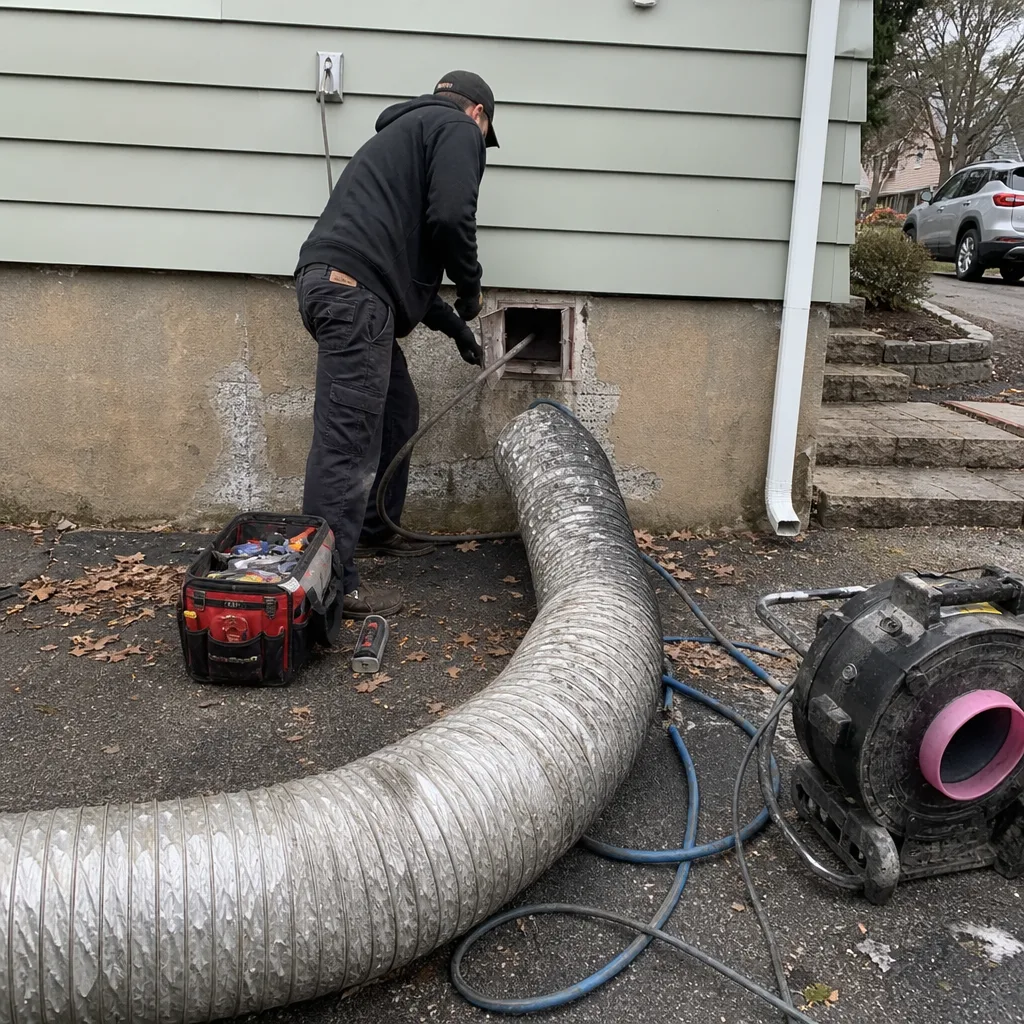 Before
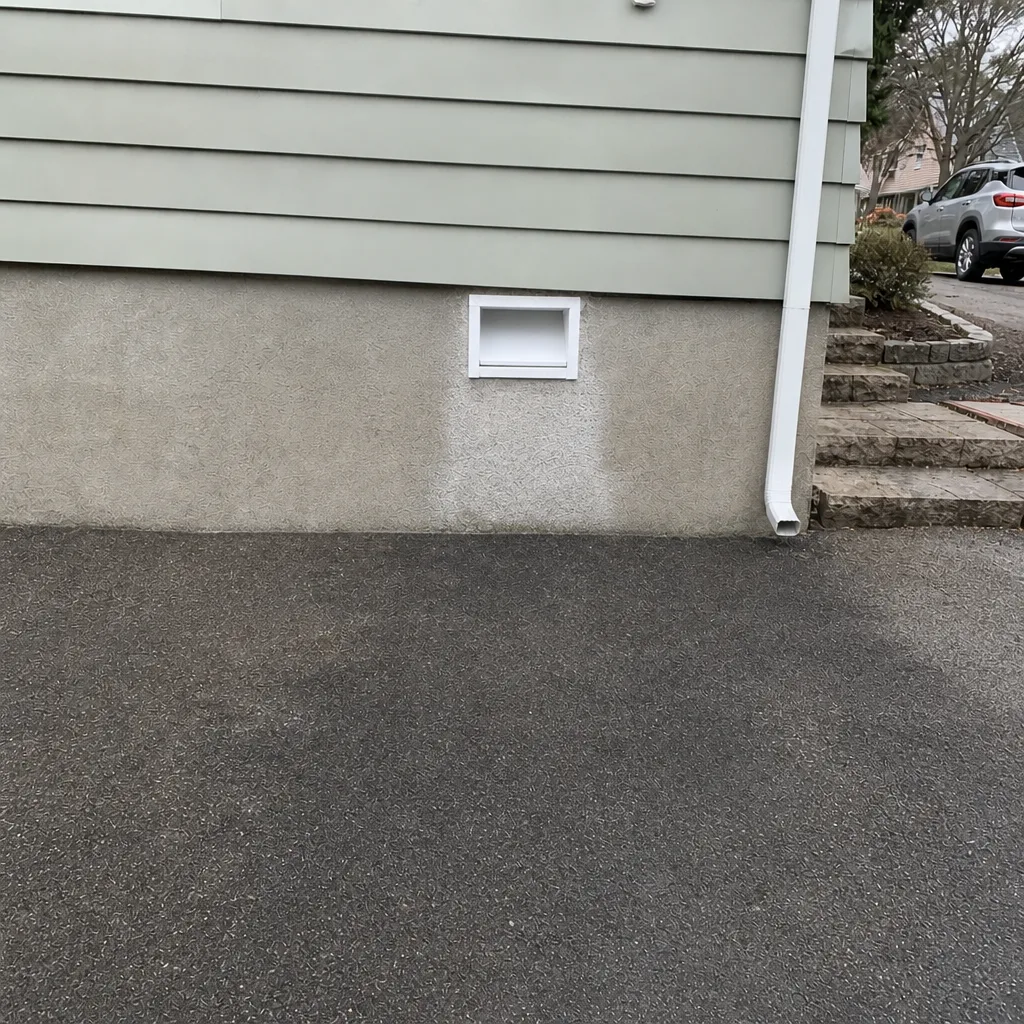 After
Frequently Asked Questions
No. Keep the system off until the fire department has released the property, the structure is assessed, and the ductwork has been checked by a professional. Running it pulls smoke and soot into the return plenum and distributes it through rooms the fire never touched. Once cleaning and any needed repair are done, filters can be replaced and the system restarted. Call (888) 392-6109 for an assessment; estimates are free.
Clean them after the structure is fully dry, not sooner. Cleaning a wet system wastes the job. The practical timeline is: extract water, dry the structure thoroughly, then assess and clean. Flexible duct that has been submerged usually needs replacement rather than cleaning. In Lynn’s flood-prone areas, drying can take longer than homeowners expect. We answer 24/7 at (888) 392-6109 to talk through what’s next.
Yes, in most cases where significant dust-producing work happened. Drywall dust is abrasive and packs onto blower wheels and coils, and it doesn’t come back out on its own once it’s in the ducts. If registers were sealed throughout the project and the work stayed small, cleaning may not be needed. When in doubt, get an assessment. Call (888) 392-6109; estimates are free.
That depends on your policy, which is why documentation matters. Ductwork affected by smoke or water damage is sometimes covered under the same parts of a claim that handle interior cleaning and equipment; sometimes it isn’t, and coverage varies by insurer. Provide photos taken before cleaning, a written contractor assessment, and any air quality readings you have. Read your policy carefully and confirm with your adjuster. Call (888) 392-6109 if you’d like an assessment to start the file.
Post-emergency cleaning typically runs higher than routine maintenance cleaning because the scope is larger and includes containment and filtration work. We don’t publish a flat post-emergency number because no two jobs are the same. What we do commit to is one flat price per system, agreed in writing before we start, with before-and-after photos of your own ducts so you can see the result. Call (888) 392-6109 for a free estimate.
Usually, yes. Our work covers both air duct cleaning and air duct repair, which matters after a fire or flood where duct sections are damaged, joints are compromised, or a run needs to be sealed or patched. Coordinating both in one visit avoids a second contractor and keeps the recovery sequence moving. We’ll tell you at the estimate stage what the ducts need. Call (888) 392-6109.
The Bottom Line
Emergencies happen in Lynn homes: kitchen fires, basement floods near the Saugus River basin, and renovations that turn a house into a dust factory. What matters is what happens in the days after. Document first, dry and stabilize the structure, then clean and repair the ducts, then restart the HVAC system. Use a specialist with containment, negative pressure, HEPA filtration, and rotary brush equipment rather than a general cleaner. Get one flat price per system in writing before work begins, and get before-and-after photos of your own ducts. Check the dryer vent while you’re at it. It’s fire safety, not a luxury line item.
Contact
If you’re in Lynn and dealing with the aftermath of a fire, flood, or major renovation, we’d like to help. Duct Cleaning Lynn focuses entirely on air duct cleaning, dryer vent cleaning, and air duct repair, with professional-grade equipment including Rotobrush, Nikro, and Abatement Technologies. We’re licensed and insured, our estimates are free, and we put one flat price per system in writing before any work starts. Call (888) 392-6109. We answer 24/7. Fast dispatch from 7am to 7pm, Sunday through Friday. When the emergency has passed, clean ducts and repaired ducts are what your indoor air needs.
Written by the team at Duct Cleaning Lynn.