
Last updated November 15, 2026
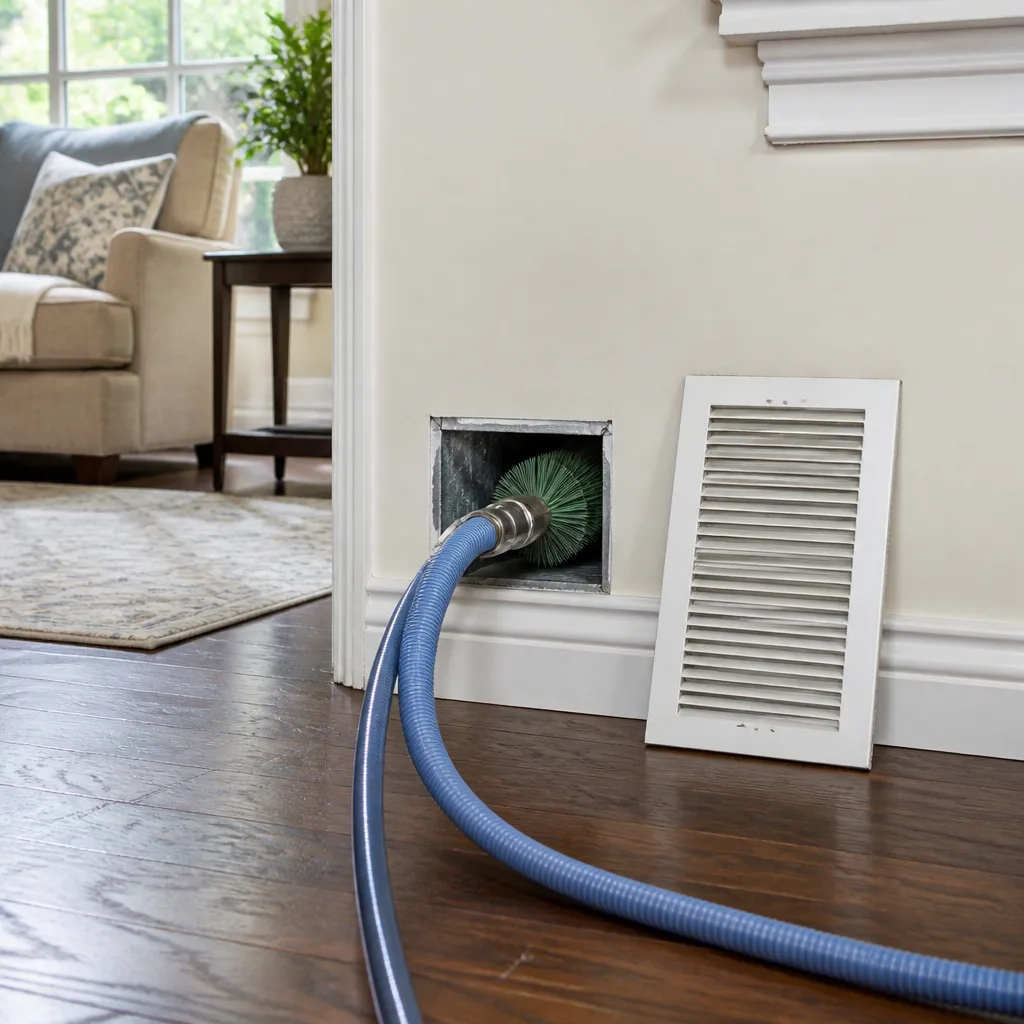 Whole-home duct cleaning
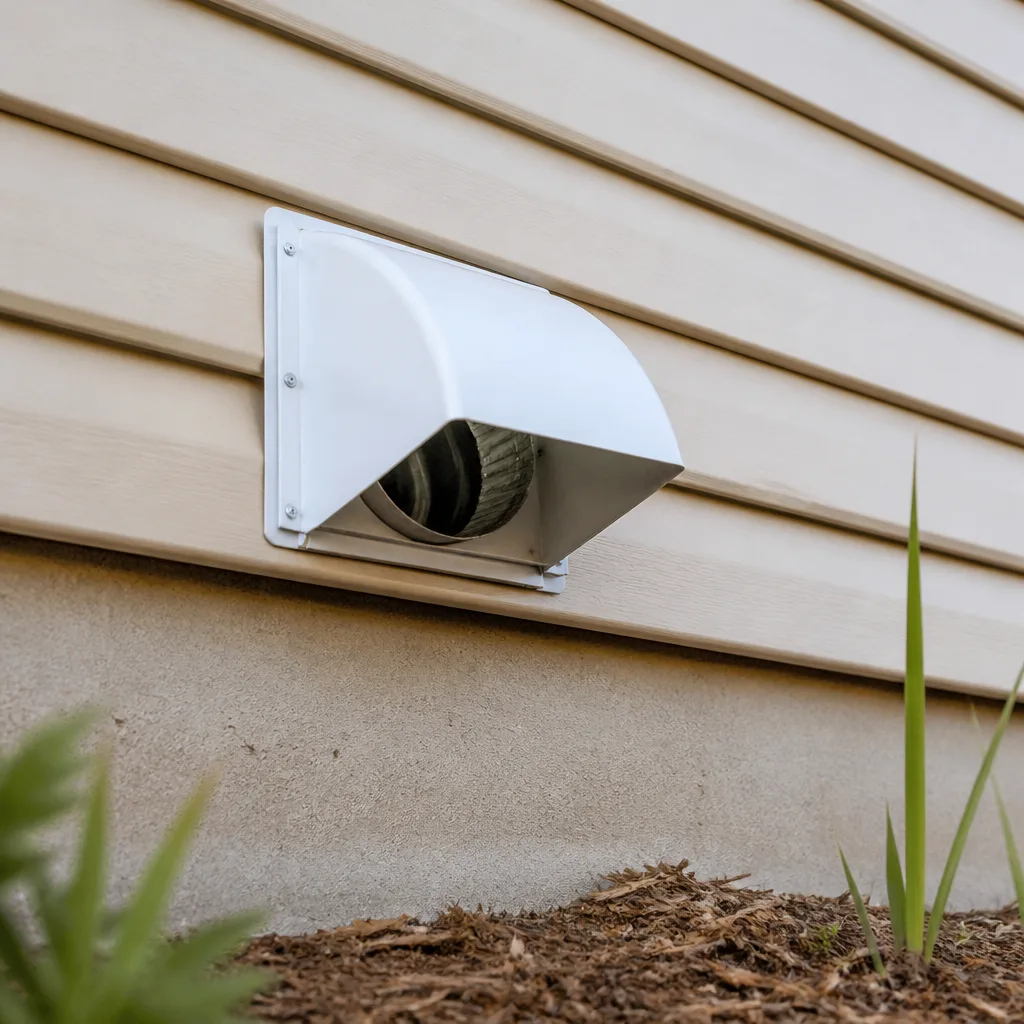 Dryer vent cleaning
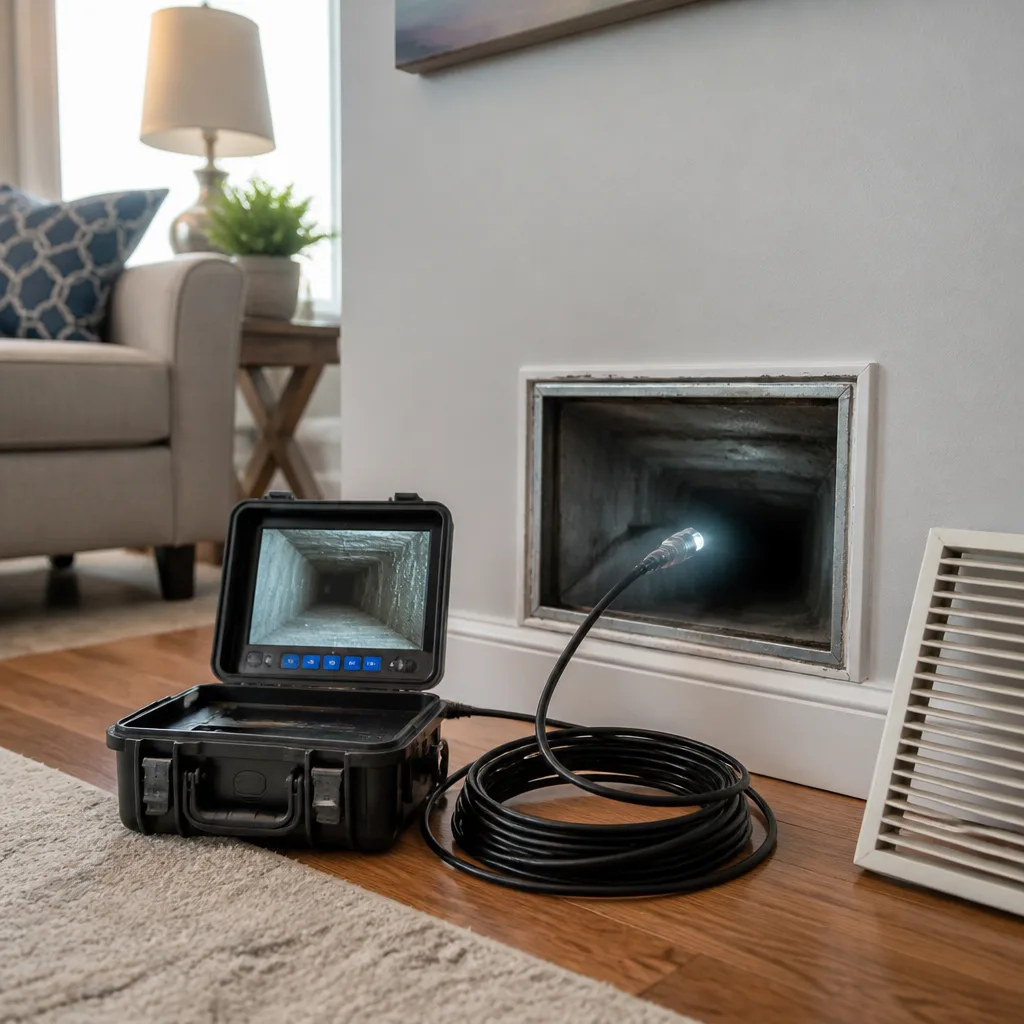 Camera inspection
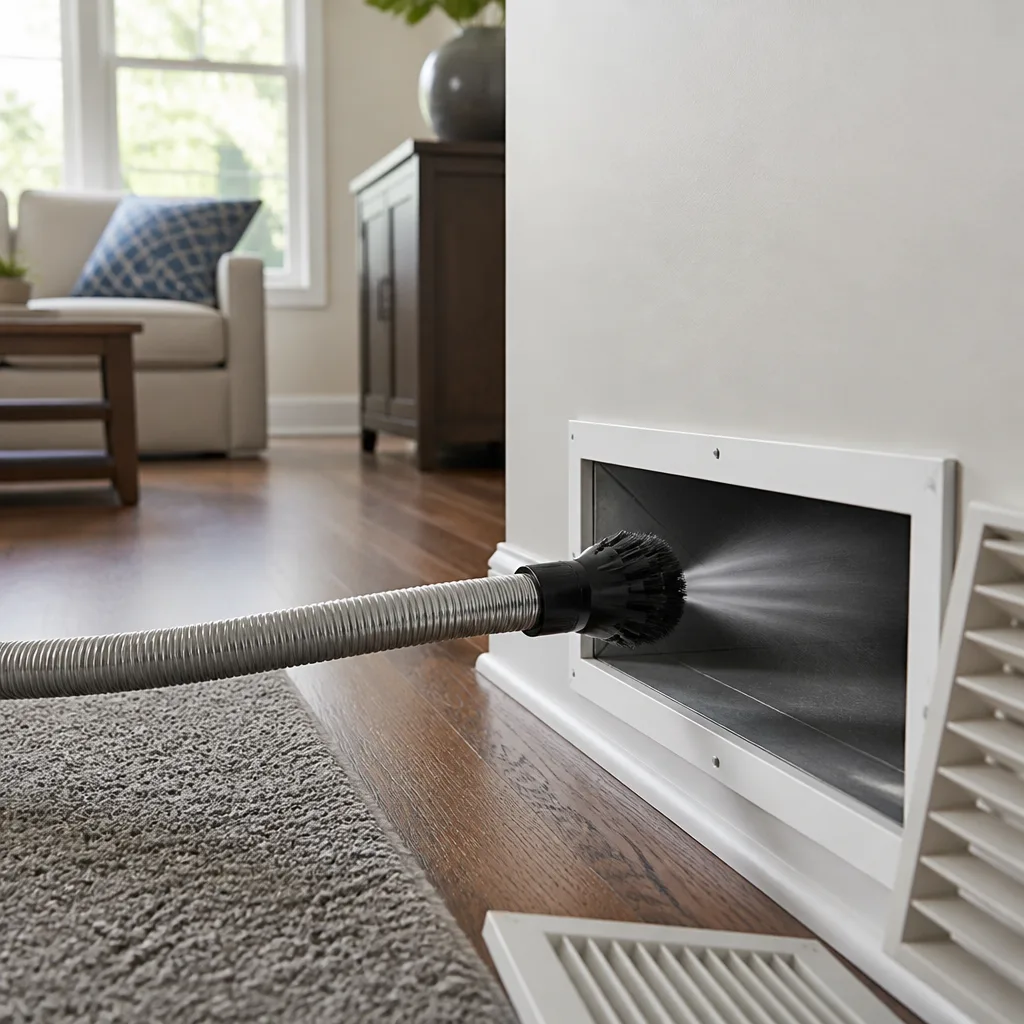 Sanitizing & deodorizing
Whole-system duct and dryer vent check with before-and-after photos - you see exactly what came out of your vents
That "$99 whole-house special" is a bait ad - the real number appears once they are in your hallway, or the "clean" is a shop-vac at the register. We photograph the inside of your ducts before and after instead.
Air Duct Cleaning Permits, Codes & Inspections in Lynn, MA: What You Need to Know
No permit is required to clean your ducts in Lynn. But the contractor who finds a collapsed flex run, re-seals a leaking plenum, or applies an EPA-registered encapsulant without pulling the right paperwork just created a problem that shows up at your next home sale. Here’s the confusing part: most homeowners assume cleaning, sealing and repair all live in the same regulatory bucket. They don’t. In Massachusetts, cleaning is maintenance (no permit), while anything that changes or restores the duct system itself can cross into work that needs a permit from Lynn’s Inspectional Services Department. This guide maps exactly where those lines sit, what registration requirements apply to products used inside HVAC systems, how unpermitted work affects insurance and disclosure, and what documentation to ask for regardless of permit status. If you own a home in Lynn, this is worth reading before you book anything.
Quick Answer
Cleaning an air duct system in Lynn does not require a building permit – it’s classified as routine maintenance. However, duct replacement, new duct runs, significant sealing tied to structural changes, or the application of mold remediation products inside HVAC systems may trigger permit and registration requirements through Lynn’s Inspectional Services Department and Massachusetts DEP. Ask your contractor to confirm in writing what scope they’re performing and whether it crosses into permitted work.
Styles & brands we work with
- Whole-home duct cleaning
- Dryer vent cleaning
- Camera inspection
- Sanitizing & deodorizing
Table of Contents
- Does air duct cleaning require a permit in Lynn, MA?
- Where Massachusetts building code draws the line
- When duct repair crosses into permitted work
- Mold remediation products and registration requirements
- Duct specialist vs. HVAC mechanical contractor: where the license line sits
- How unpermitted duct work affects insurance and disclosure in Massachusetts
- What happens during a Lynn inspection
- What documentation to request from any contractor
Does air duct cleaning require a permit in Lynn, MA?
No. Air duct cleaning on its own does not require a permit in Lynn, MA. Cleaning – the mechanical removal of dust, debris and buildup from inside ductwork – is considered routine maintenance under Massachusetts regulations, the same way cleaning a filter or vacuuming a register is. Lynn’s Inspectional Services Department issues permits for construction, alterations and repairs to a building’s systems, not for maintenance cleaning.
So if a contractor tells you they’re pulling a permit for a standard cleaning job, that’s a red flag. Cleaning shouldn’t need one. What matters is what happens if, during the cleaning, they discover damaged ductwork. That’s the point where the scope can shift.
Here’s the practical breakdown of what usually does and doesn’t need a permit in Lynn:
- Standard cleaning (brush and vacuum of existing ductwork) – no permit.
- Dryer vent cleaning – no permit. It’s a maintenance and safety service. See our dryer vent cleaning page for what’s involved.
- Minor air sealing at joints using mastic or approved sealant, where no structural or system alteration occurs – typically no permit.
- Replacing a section of duct – this is where it gets murky. Small repairs may not need a permit; larger replacements often do.
- Adding new duct runs – almost always needs a permit and a licensed mechanical contractor.
- Applying mold remediation products inside the HVAC system – depends on the product and who applies it; covered further down.
The bigger point: the permit question is really a scope question. Cleaning is one thing. Repair and modification are another. A good contractor knows the difference and will tell you which side of the line they’re on before they touch anything.
Where Massachusetts building code draws the line
The Massachusetts State Building Code applies uniformly across the state, so what’s true in Boston is generally true in Lynn. The code governs construction, alterations and repairs to buildings and their mechanical systems – not maintenance. That distinction is the hinge everything turns on.
Under the code, the relevant chapter for ductwork is the mechanical provisions (the state adopts the International Mechanical Code with Massachusetts amendments), which regulate installation, alteration and replacement of ducts and duct systems. Cleaning is maintenance. Alteration and replacement are construction. Where a job falls on that spectrum determines whether a permit from Lynn’s Inspectional Services Department is required.
What this means in practice for a Lynn homeowner:
- Ask what the scope is. Before work starts, have the contractor tell you whether they’re cleaning only or doing repair, sealing or modification.
- If repair is involved, ask who’s licensed to do it. A licensed mechanical contractor is required for work that alters the system. A cleaning specialist isn’t automatically licensed for that.
- Ask whether a permit will be pulled. If the job involves replacement or new runs, a permit through Lynn Inspectional Services should be part of the plan.
- Get it in writing. Scope, license status, and permit responsibility should all be spelled out before anyone starts.
Nobody expects you to memorize code chapters. But knowing the cleaning-versus-construction distinction exists puts you ahead of most homeowners – and puts any contractor who doesn’t understand it on notice.
When duct repair crosses into permitted work
Not all duct repair needs a permit, but some of it does. The dividing line is whether the work alters, replaces or extends the system – versus restores it to its original functioning state. A collapsed flex run, a crushed section behind a joist, or a leaking plenum that’s re-sealed back to spec is usually a repair. Replacing a whole run, rerouting ductwork, or adding a new supply to an unfinished room is an alteration, and that’s typically when a permit comes in.
In Lynn’s older housing stock – the three-decker neighborhoods and converted multi-family buildings in places like the Highlands and downtown – this comes up more than you’d expect. Ductwork in these homes has often been modified over the decades, sometimes without permits. A cleaning that uncovers a piece of unpermitted prior work can complicate the current job.
Here’s where the distinction usually falls:
- Repair to existing duct (patching a hole, resealing joints, restoring a damaged section to its original state) – often no permit, depending on scope.
- Replacement of a duct run – usually requires a permit and a licensed mechanical contractor.
- New duct installation – permit required.
- Rerouting ductwork – permit required.
If you’re not sure which category a job falls into, call Lynn’s Inspectional Services Department directly and ask. They’ll tell you plainly whether a permit is needed. That’s a five-minute phone call that can save you a real headache later.
Mold remediation products and registration requirements
Mold remediation inside HVAC systems is a whole separate regulatory territory, and it’s where a lot of confusion lives. Products applied inside ductwork and air-handling equipment – antifungal coatings, encapsulants, sanitizers – must be registered with the EPA and, at the state level, meet Massachusetts requirements. Some also require a specific license or certification to apply.
Here’s what “registered” actually means: a registered product has been reviewed by the EPA for its intended use and labeling. It does not mean the person applying it is licensed. That’s a separate credential. And it does not mean the application is permitted in every situation – it means the product is registered for that purpose, and the applicator is responsible for using it correctly.
What to ask about any product applied inside your ducts:
- Is the product EPA-registered for use in HVAC systems?
- What license or certification does the applicator hold?
- Will the product be applied to the entire system or only affected areas?
- What documentation will you provide for the product and its application?
We use Guardsman-brand products in our toolkit for sanitizing and protective finishing after cleaning. Those products are applied per their labeled use, and we document what’s applied and where. If a contractor can’t tell you what product they’re putting inside your ducts and why, that’s a problem. Ask for the label.
Duct specialist vs. HVAC mechanical contractor: where the license line sits
Duct cleaning and air duct repair sit in one lane. Mechanical contracting – the licensed installation, alteration and repair of HVAC systems, including most ductwork alterations – sits in another. A duct specialist should know exactly where their scope ends and a licensed contractor’s begins. That’s not a limitation; it’s the sign of an honest operator.
What this means for you: if a cleaning specialist uncovers a problem that requires mechanical work – a collapsed duct run, a system that needs rerouting, a major repair to a plenum or trunk line – the right move is for them to tell you that’s outside cleaning scope and refer you to a licensed mechanical contractor for the permitted work. Then you decide how you want to proceed.
Our scope is focused: air duct cleaning, dryer vent cleaning and air duct repair. We can seal, patch and restore compromised ductwork on the cleaning side. When a job requires a licensed mechanical contractor for permitted work, we’ll tell you. That’s how it should work – and it’s what you should expect from any duct specialist you hire in Lynn.
One more thing: a duct specialist who carries proper insurance and works under the state’s regulations is easier to vet. Ask for their license or registration status and their insurance certificate. Any legitimate contractor will provide both without hesitation.
How unpermitted duct work affects insurance and disclosure in Massachusetts
Massachusetts is a disclosure state. Sellers are required to disclose known material defects in a property. Unpermitted duct work that’s discovered during a home inspection, or that a seller knows about, can complicate both the disclosure and the buyer’s mortgage approval. It’s not a guaranteed deal-breaker, but it’s a complication most homeowners would rather avoid.
Insurance is the other side of this. If a future fire, moisture or HVAC failure claim gets tangled up with unpermitted work, an insurer may argue the unpermitted portion wasn’t installed to code – and that can affect how a claim is handled. Whether it actually affects coverage depends on the policy and the claim, but the risk is real enough that pulling a permit when required is the straightforward move.
For homeowners in Lynn, the bigger concern is often the older housing stock. If prior owners did unpermitted duct modifications in a 1920s three-decker, that history travels with the building. A professional cleaning that uncovers an issue is your opportunity to fix it properly. Doing so doesn’t just protect you – it makes the home easier to sell down the road and keeps your insurer’s questions to a minimum.
What to do if you suspect unpermitted work:
- Ask Lynn’s Inspectional Services Department to pull the permit history for the address.
- Have a licensed contractor assess whether the existing work is safe.
- If it’s not, get the correct permits and have it brought up to code.
- Keep all records – permits, inspection reports, contractor documentation – with your home files.
What happens during a Lynn inspection
If your duct work does require a permit, the process runs through Lynn’s Inspectional Services Department. You or your contractor pull the permit, the work is done, and a municipal inspector reviews it. Inspections for ductwork typically happen after rough-in (before ducts are closed up) and sometimes after final installation. The inspector is checking that the work meets the state code, that it’s installed correctly, and that the materials and connections are sound.
What the inspection covers usually includes:
- Whether the duct material and connections meet code requirements.
- That the installation matches the permitted scope.
- That clearances and support are correct.
- That the system is sealed and properly connected.
If the work doesn’t pass, the inspector issues corrections and the contractor schedules a re-inspection after fixing them. It’s not uncommon for something small to come up – a joint that needs better sealing, a hanger that needs adjusting. That’s the inspection doing its job.
For most duct cleaning jobs in Lynn, no inspection is involved because no permit is pulled. But if you’re having actual duct repair or replacement done, ask whether an inspection is part of the process. If it’s required and nobody’s mentioning it, that’s a sign the contractor may be skipping steps.
What documentation to request from any contractor
Regardless of permit status, there’s a set of documentation you should ask for on any duct remediation or repair job in Lynn. Some contractors push back on this. The good ones don’t, because they already produce it.
Here’s what to ask for:
- A written scope of work before anything starts – what’s being cleaned, what’s being repaired, what tools and methods are used.
- A written estimate with the price set per job, not by the vent or by the hour.
- Insurance certificate – proof the contractor carries liability coverage.
- License or registration documentation for any work that requires it.
- Product labels and application records for any sanitizer, sealant or encapsulant applied inside the system.
- Before-and-after photos of your ductwork – the actual ducts in your home, not stock images.
- Permit documentation, if a permit was required for the scope.
We take before-and-after photos on every cleaning we do because it’s the simplest way to show the work was done and to give you a record for your files. But photos are just the starting point. Get everything above in writing, however the job goes.
Common Mistakes to Avoid
- Assuming cleaning needs a permit. It doesn’t. Assuming it does scares homeowners into paying for paperwork they don’t need. Confirm the scope first – cleaning is maintenance.
- Assuming repair doesn’t. The opposite mistake is just as common. Replacement and new installation usually require a permit through Lynn’s Inspectional Services Department. Ask before anyone starts.
- Not asking who’s licensed to do the repair. A cleaning specialist isn’t automatically a licensed mechanical contractor. If the job crosses into mechanical work, the correct license should be on the job.
- Letting a contractor apply an unknown product inside the ducts. Ask for the EPA registration and the applicator’s credentials. If they can’t produce them, don’t let the product in your system.
- Skipping the permit history on an older Lynn home. Three-deckers and older multi-family buildings often have decades of modified ductwork. Pull the permit history before assuming anything’s done to code.
- Accepting stock photos as proof. Any contractor can show a photo of a clean duct. Ask to see your ducts – before and after – on every job.
See the difference
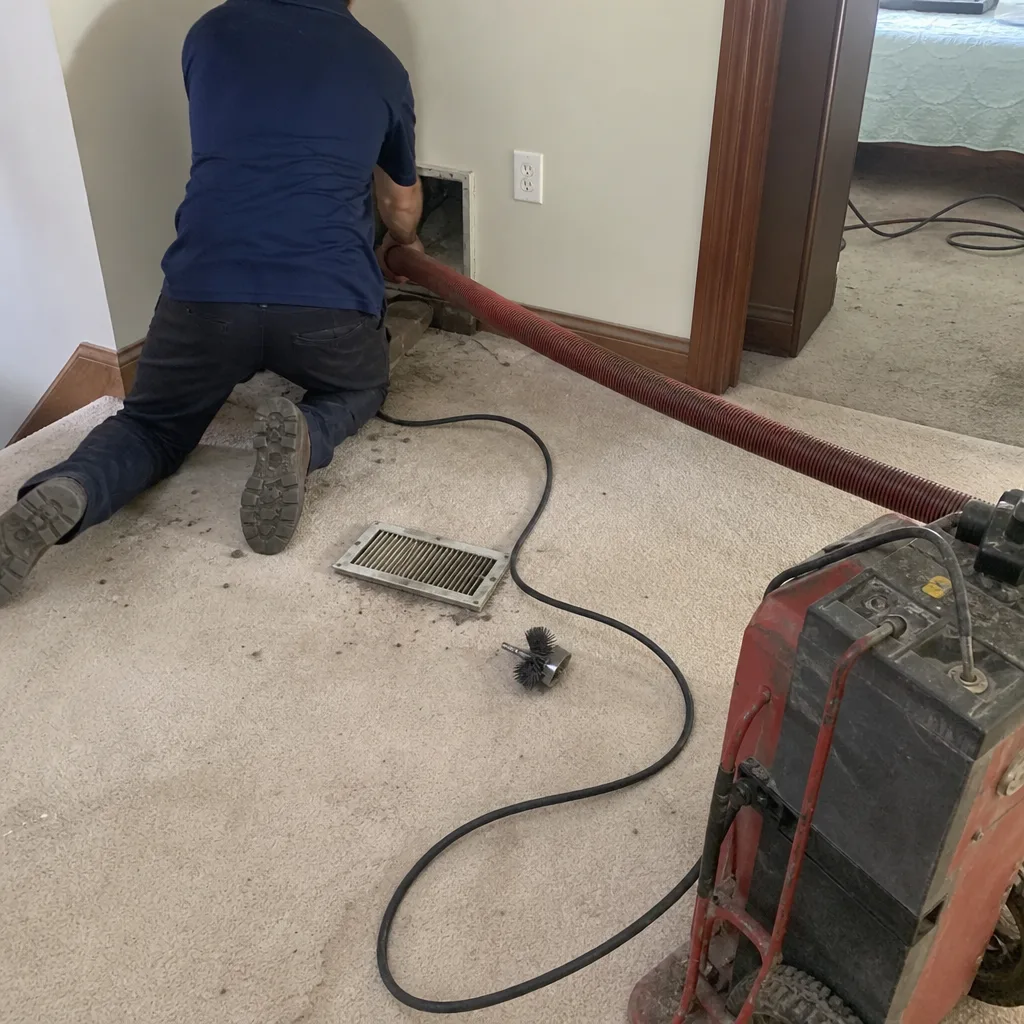 Before
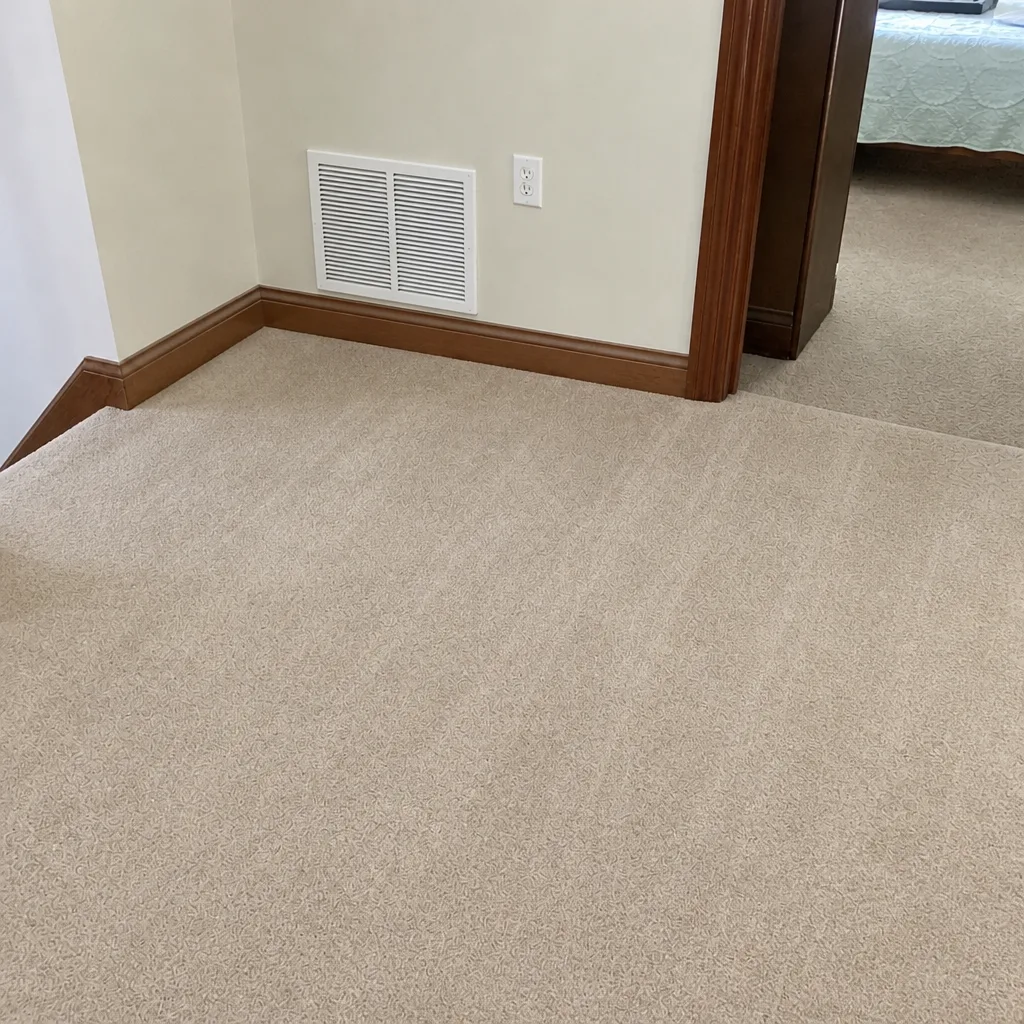 After
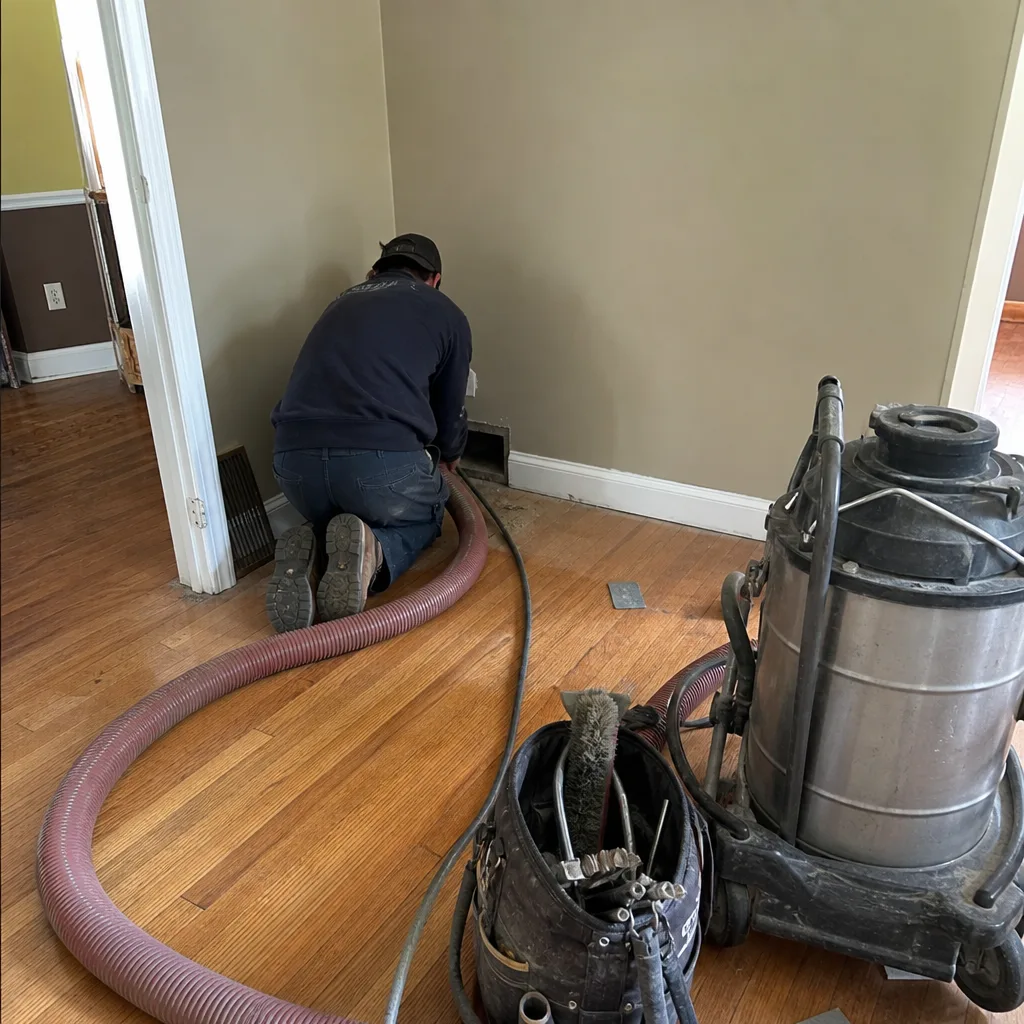 Before
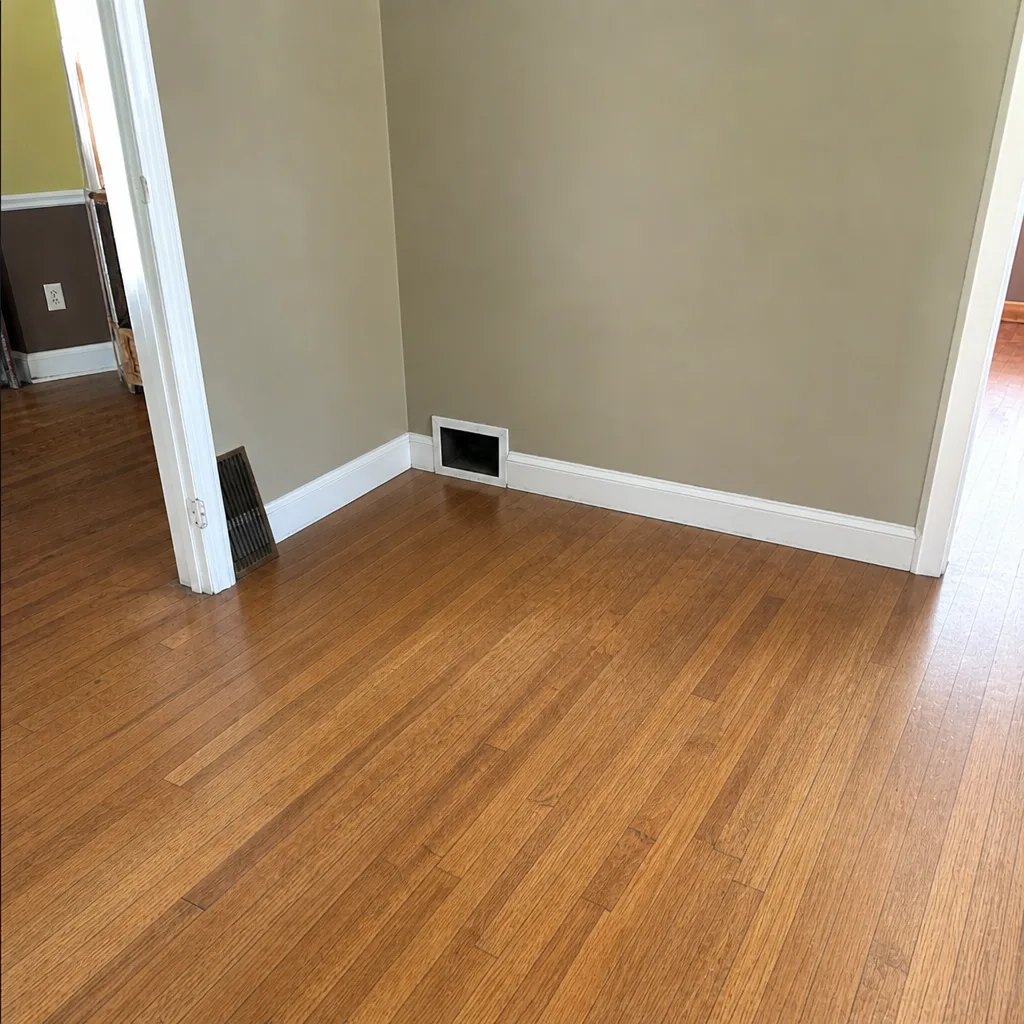 After
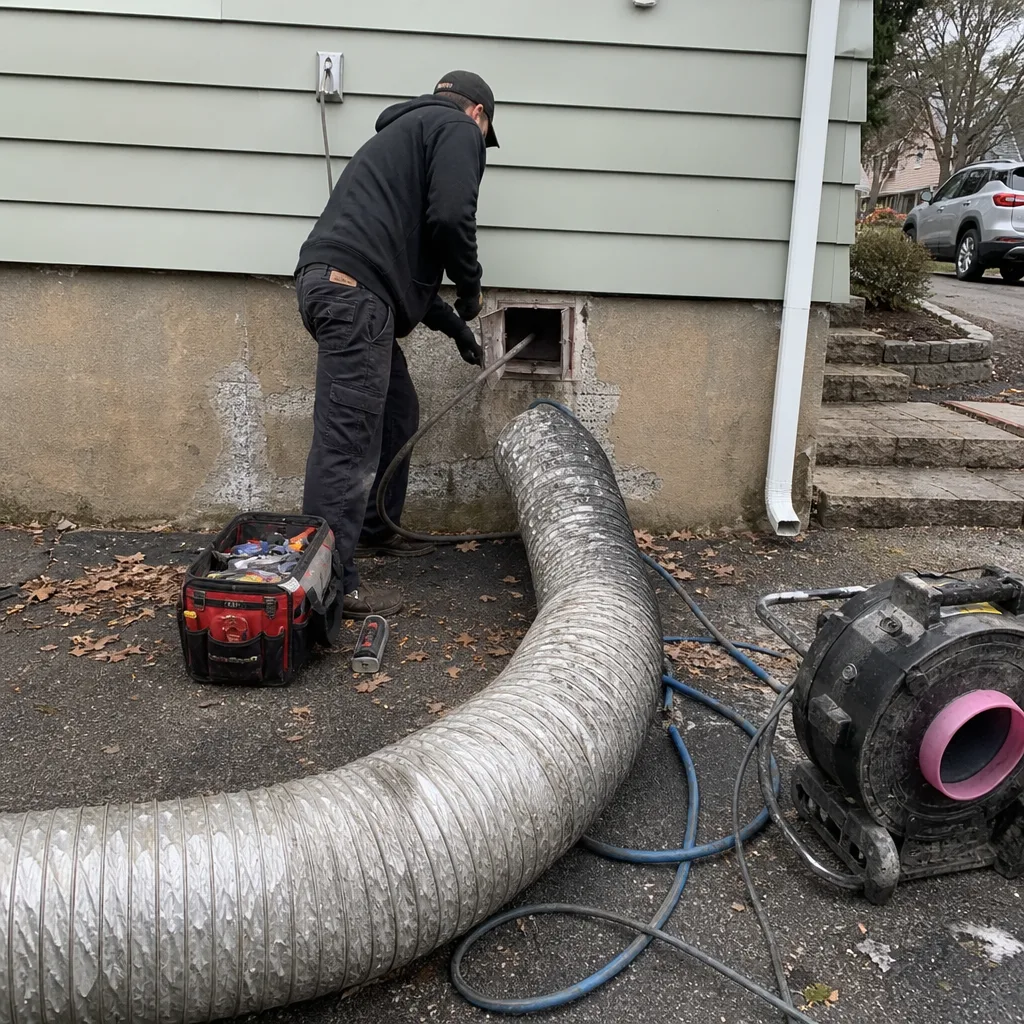 Before
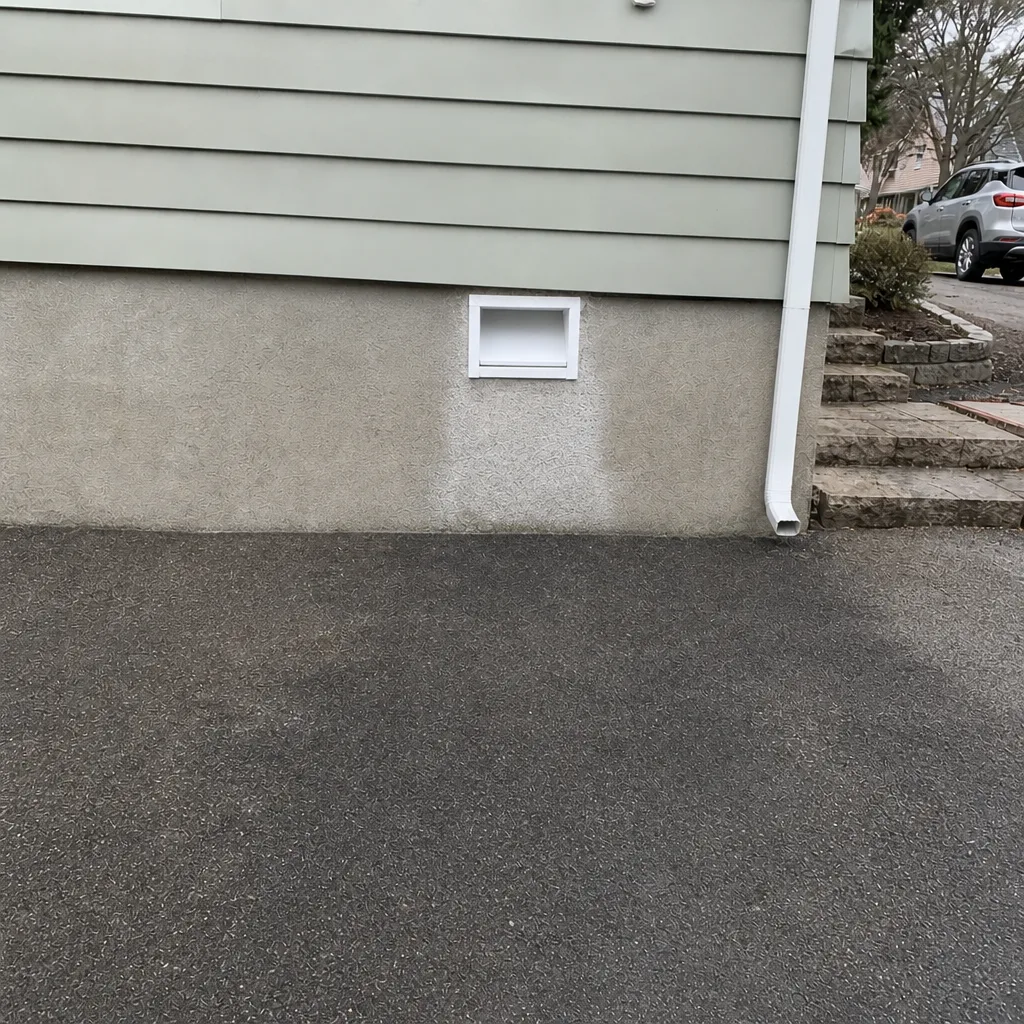 After
When to Call a Professional
Some things are worth a professional’s eyes. If your ducts haven’t been cleaned in years and you’re seeing excess dust or reduced airflow, it’s worth booking a scheduled cleaning. If you’ve noticed moisture inside a register or a persistent musty smell that comes and goes with the HVAC running, get someone out to assess. If a prior contractor’s work looks questionable, or your home inspection flagged the ductwork, get a proper assessment before doing anything else. And if your dryer has been taking longer than it used to, that’s a safety issue worth a look – dryer vent cleaning addresses a leading cause of residential house fires, and it’s not a job to put off.
Duct Cleaning Lynn offers free estimates in Lynn – call (888) 392-6109. We answer 24/7. Fast dispatch from 7am to 7pm, Sunday through Friday. Our technicians have up to 13 years of experience in ducts, vents and air quality, and we bring professional-grade equipment – Rotobrush rotary brush systems, Nikro HEPA vacuum rigs and Abatement Technologies air filtration units – so the work gets done to a standard, not a guess. Whether you’re just sorting out a scheduled cleaning or trying to untangle the permit side of a repair, we can help you figure out the right scope.
Frequently Asked Questions
No. Air duct cleaning is classified as routine maintenance and doesn’t require a permit in Lynn, MA. If a contractor is pulling a permit for a standard cleaning, ask why – that’s not standard practice. If repair or replacement is involved, the answer changes, which is why confirming the scope before work starts matters.
Duct repair that replaces or alters the duct system usually requires a permit, while minor patching and resealing typically doesn’t. Replacement of a duct run, new installations and rerouting all fall into permitted work. If you’re not sure which category your job is in, call Lynn’s Inspectional Services Department and ask directly – it’s a short call.
Ask for their license or registration documentation and an insurance certificate, and check that they match the scope of work being done. Cleaning and repair fall in one lane; permitted mechanical work falls in another. A contractor who can explain exactly where their scope ends is doing it right. If they can’t tell you, that’s your answer.
Yes, but only products registered for that use, and only by someone qualified to apply them. Ask for the EPA registration and the applicator’s credentials before any product goes into your system. If a contractor can’t produce either, don’t authorize it – the product being “safe” on a label isn’t the same as being applied correctly inside your HVAC system.
Unpermitted duct work can affect insurance claims and must be disclosed under Massachusetts real estate disclosure rules if it’s a known material defect. The fix is to pull the permit now, bring the work up to code, and keep the paperwork with your home records. Lynn’s Inspectional Services Department can pull the permit history for your address.
Request the written scope of work, the written estimate you agreed to, and before-and-after photos of your own ducts. For any repair work, ask for permit documentation if a permit was required, product labels and application records for anything applied inside the system, and the contractor’s license and insurance information. Keep it all with your home files – it protects you at resale and it’s what your insurer wants to see. Call (888) 392-6109 for a free estimate – we’ll walk you through it.
The Bottom Line
Air duct cleaning in Lynn doesn’t require a permit – but the work that often accompanies it can cross into permitted territory without much warning. The dividing line is scope: cleaning is maintenance, while repair, replacement and new installation can require a permit through Lynn’s Inspectional Services Department and, in the case of mold remediation products, EPA and Massachusetts registration. Unpermitted work creates insurance and disclosure headaches that surface at the wrong time. The fix is unglamorous but simple: confirm the scope in writing before anyone starts, ask for license and registration documentation, and keep every record from the job. That’s what protects your home, your claim history and your resale.
Merrimack Valley homeowners looking for a focused duct-and-vent specialist rather than a generalist HVAC company will find we keep to a tight scope: air duct cleaning, dryer vent cleaning and air duct repair, nothing outside the ducts. If you’re unsure what your job actually needs, call Duct Cleaning Lynn at (888) 392-6109 for a free estimate. We answer 24/7. Fast dispatch from 7am to 7pm, Sunday through Friday. Estimates are free and the price is set per job by the written estimate before any work begins – and we’ll tell you plainly if a scope of work crosses the line into permitted territory that requires a licensed mechanical contractor.
If you’re comparing duct cleaning options across the North Shore, Lynn homeowners can call us directly for a clear answer on scope. We work only in English and we don’t offer services outside air ducts, dryer vents and duct repair – which is exactly why we can tell you quickly whether your job needs a permit and, if it does, hand it to the right licensed contractor with a clean conscience.
Written by the team at Duct Cleaning Lynn.