
Last updated November 15, 2026
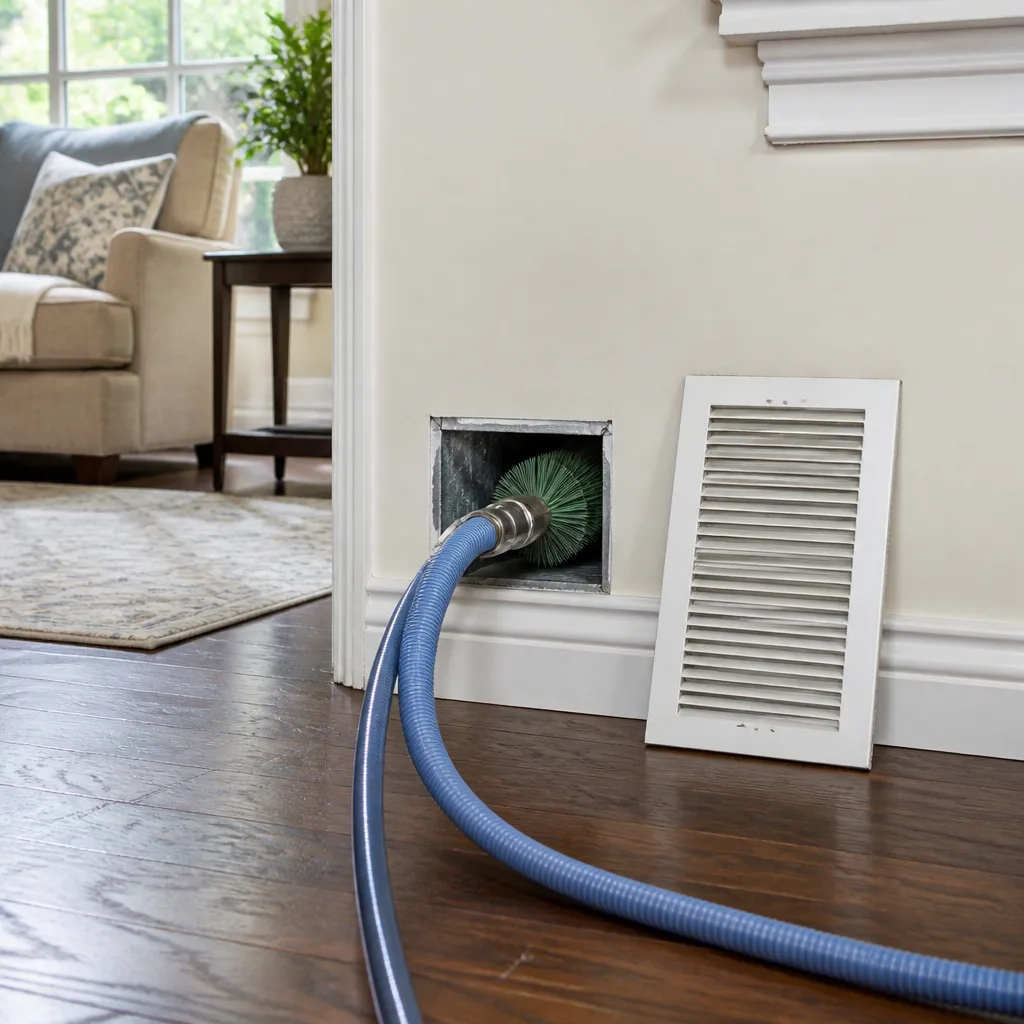 Whole-home duct cleaning
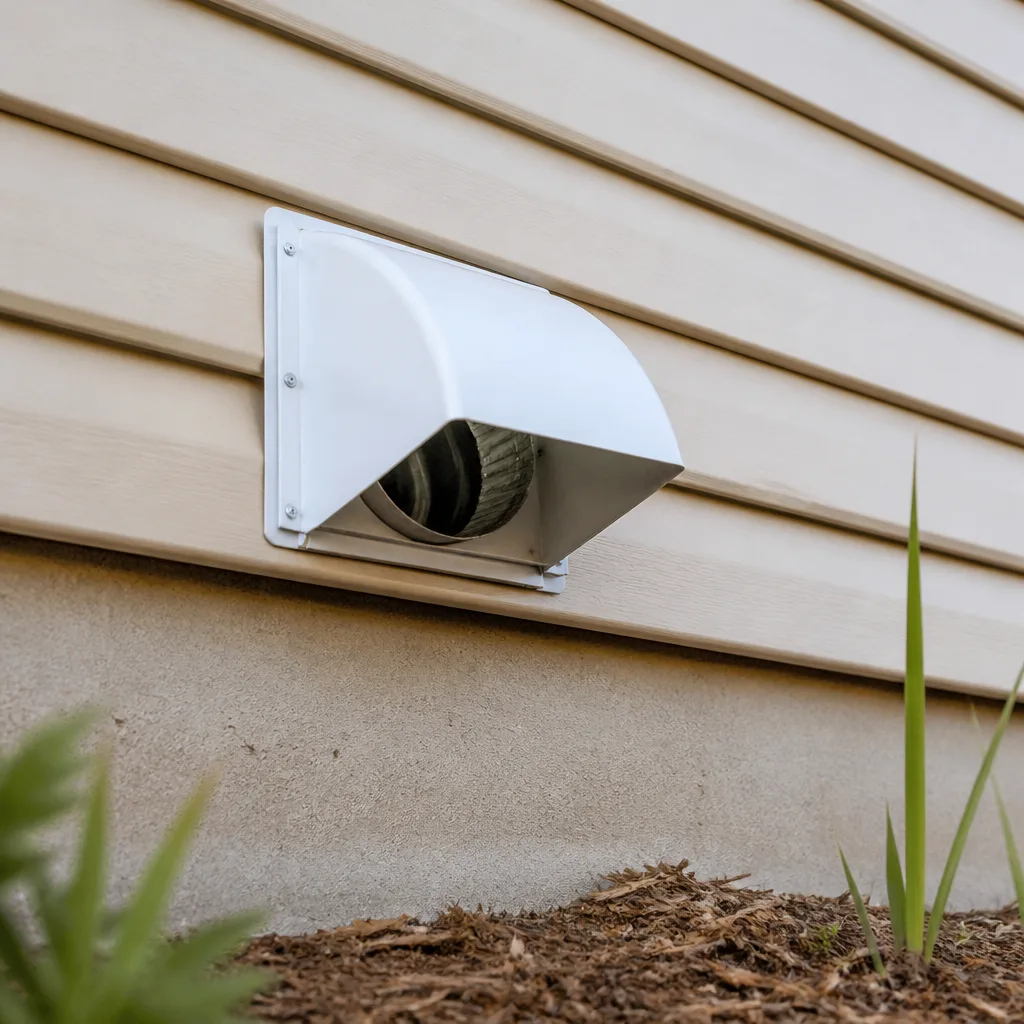 Dryer vent cleaning
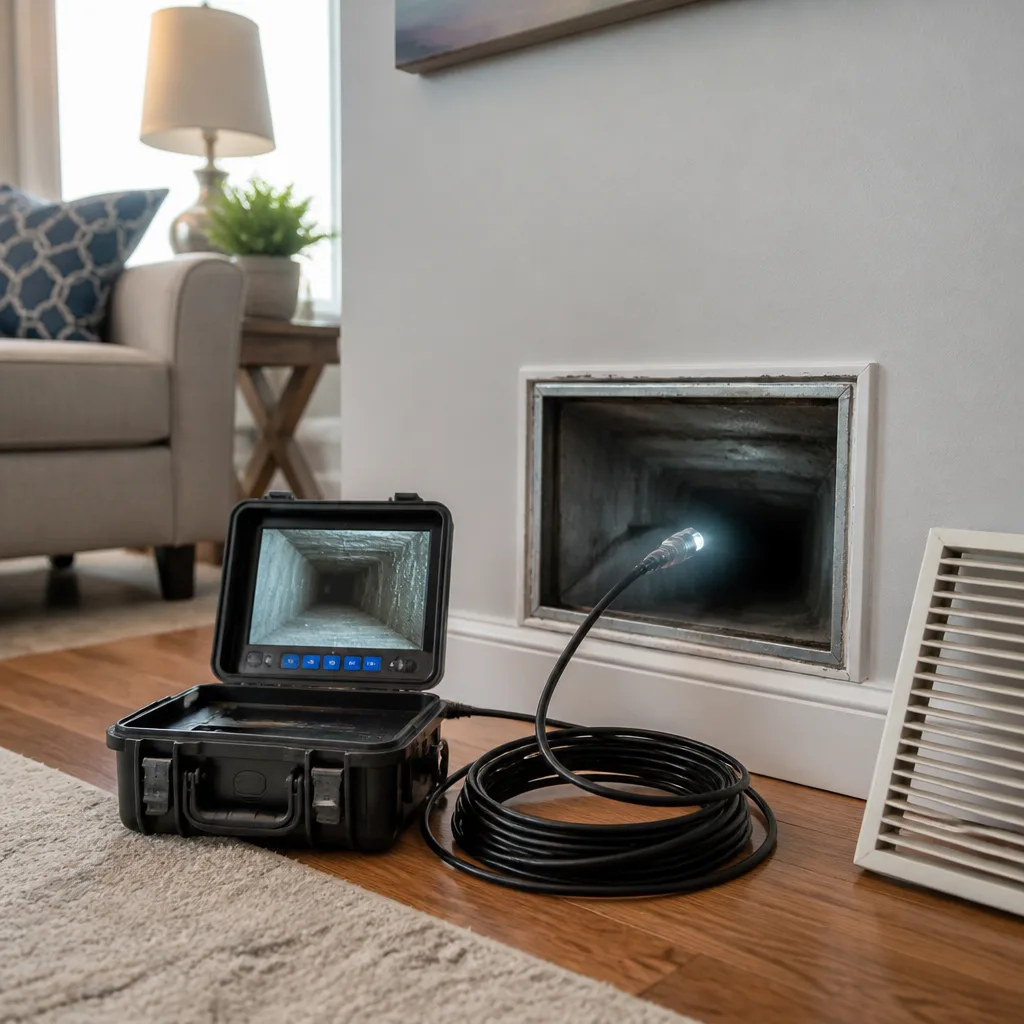 Camera inspection
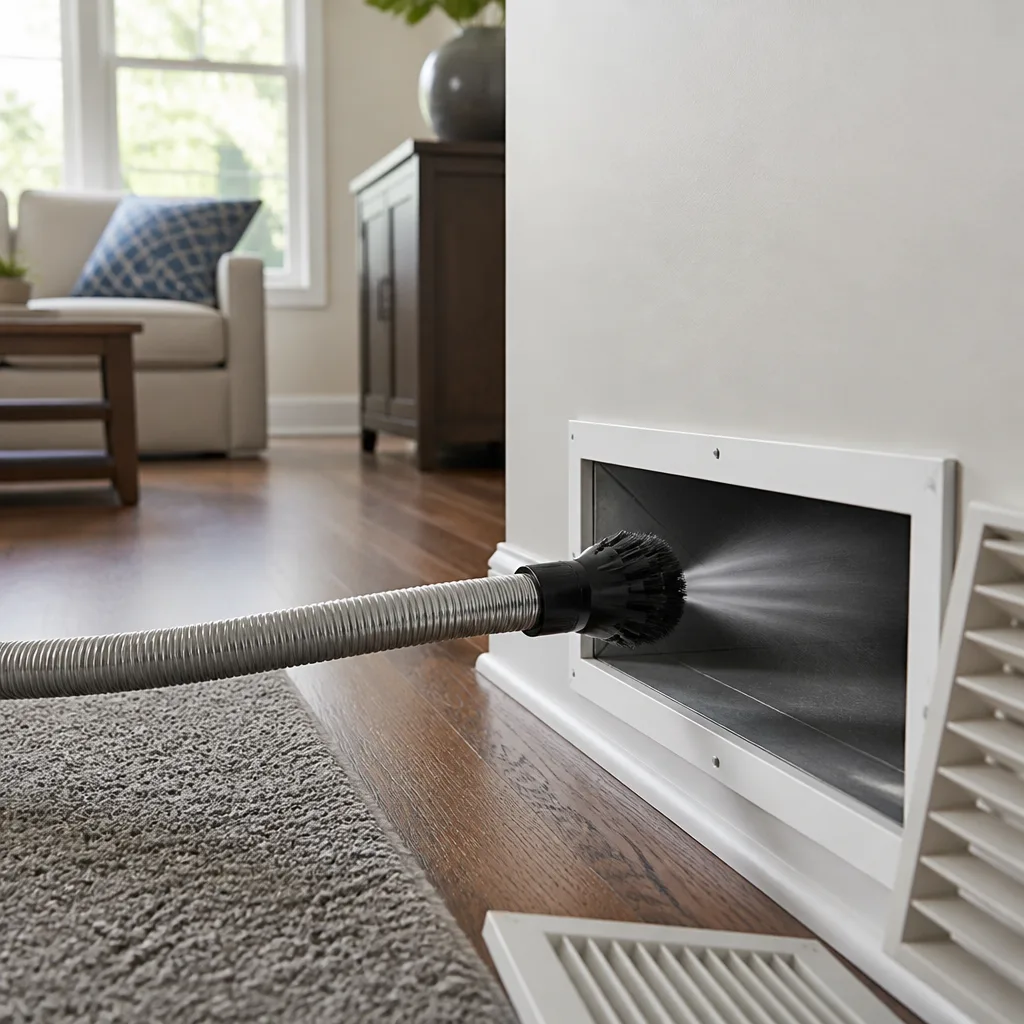 Sanitizing & deodorizing
Whole-system duct and dryer vent check with before-and-after photos - you see exactly what came out of your vents
That "$99 whole-house special" is a bait ad - the real number appears once they are in your hallway, or the "clean" is a shop-vac at the register. We photograph the inside of your ducts before and after instead.
Air Duct Cleaning Warning Signs: A Lynn Homeowner’s Reference Guide
Dust on a register grille is the last warning sign, not the first. By the time you can see it, what’s inside the duct has been building for months. The earlier indicators are quieter, and most homeowners don’t know what they’re looking at. A filter that loads unevenly, a smell on the first cold morning, a bedroom that never quite warms up: each one points somewhere specific in the system. This guide walks through the subtle signals Lynn homeowners miss, explains the mechanics behind each one, and shows you how to tell a real problem from normal system behavior.
Quick Answer
The earliest air duct cleaning warning signs are uneven filter loading across returns, a musty odor on first heat-up, rooms that heat or cool slower than they used to, and allergy symptoms that track with HVAC operation. Visible dust at the registers comes later. If two or more of these show up together, the system is usually holding debris that a source-removal cleaning needs to pull out, not just a grille wipe-down.
Styles & brands we work with
- Whole-home duct cleaning
- Dryer vent cleaning
- Camera inspection
- Sanitizing & deodorizing
Table of Contents
- Uneven Filter Loading: What One Dirty Return Tells You
- Musty Odor on First Heat-Up: Dust Combustion vs. Biological Odor
- Uneven Heating and Cooling as a Contamination Symptom
- Allergy and Asthma Symptoms That Track With Your HVAC
- What to Look For Inside a Register Boot With a Phone Flashlight
- Airflow Clues You Can Measure Without Tools
- Why Lynn Homes Show These Signs Differently
- When to Call a Professional
Uneven Filter Loading: What One Dirty Return Tells You
If the return grille near your bedroom loads up with dust twice as fast as the main return in the hallway, that’s not random. A return that saturates while others stay clean is telling you something about the path air takes through the system, and it usually points to a contamination source on the supply side.
Here’s the mechanic behind it. A return pulls air back into the system. If the duct run feeding that return is poorly sealed, or if a nearby supply boot is loose, the return is drawing extra dust from a gap before the air ever reaches the filter. The filter catches it, so the grille clogs at an accelerated rate, while the rest of the house looks normal. The filter is doing its job. The ductwork is the problem.
We see this pattern often in Lynn homes where ductwork has been modified or extended over the years. A finished basement, a converted porch, an attic bedroom: each addition means new duct runs spliced into the original system, and joints that weren’t sealed properly become dust entry points. The return nearest those runs usually shows the symptom first.
What to check:
- Photograph each return filter when you change it, and note the date. Two or three cycles will reveal which one is loading fastest.
- Compare filters across the house. A return that pulls visibly darker than its neighbors within a month is the one worth investigating.
- Look at the return grille itself. A grille that builds a fine grey film on the blades is drawing dust that shouldn’t be there.
- Check whether the fast-loading return sits near a recently renovated room or an added duct run. That’s the most common source.
Once you know which return is loading early, you’ve narrowed the diagnosis to a handful of duct runs instead of the whole system. That’s a much more useful starting point than a blanket cleaning estimate based on one grille.
Musty Odor on First Heat-Up: Dust Combustion vs. Biological Odor
The smell that hits when the heat comes on in October is not always a warning sign, and the mistake homeowners make is treating all of them the same. There are two distinct odors in a duct system, and they mean different things.
The first is a dry, faintly burnt smell. It’s the smell of dust sitting on the heat exchanger burning off. In a system that sat idle through the warmer months, this happens for the first few heat cycles of the season and then fades. That’s normal behavior for a system warming up after months off. If it clears within a few days of regular running, the ducts don’t necessarily need attention.
The second is the one to take seriously: a musty, damp, or vaguely sour smell that doesn’t clear. That is a biological odor, and it means moisture has been present inside the ductwork long enough for organic growth to establish. It’s the smell that lingers after the heat has been running for an hour, and the smell that gets stronger when the system has been off and the air is still.
How to tell them apart:
- Note the timing. A smell that fades after three or four heat cycles is dust combustion. A smell that persists into November is not.
- Note whether it tracks with airflow. A smell that peaks when the blower runs and eases when it stops is coming from the ducts, not the furnace room.
- Note the character. Dry and dusty is normal. Damp, musty, and earthy is not.
- Check for any recent water intrusion: a roof leak, a basement damp patch, a humidifier issue. Duct moisture almost always has a source.
A persistent biological odor is a reason to call a specialist, not just for cleaning but to understand where the moisture came from. In our experience in Lynn, the older housing stock on some streets has duct runs that pass through unconditioned basement or crawl spaces, and those runs can absorb seasonal humidity in ways modern sealed systems don’t. If you want the full picture on what source-removal work involves, our guide to air duct cleaning explains the process end to end.
Uneven Heating and Cooling as a Contamination Symptom
A bedroom that used to warm up in ten minutes and now takes twenty is usually not a furnace problem. It’s a supply duct problem, and debris accumulation is one of the most common causes. Restricted airflow shows up as a comfort complaint long before it shows up visually.
The logic is straightforward. A supply duct carries conditioned air into a room. If debris has narrowed the effective cross-section of that duct, or if a partial blockage has built up at a bend or a boot, the air reaching the room is reduced. The furnace is running the same, the registers are open, but the room gets less of what the system is producing. The symptom is a room that never quite catches up while the rest of the house is fine.
What makes this tricky is that homeowners often blame the thermostat, the furnace, or the season. The right diagnostic question is whether the problem is room-specific. If it’s one or two rooms while the rest of the house is comfortable, suspect the duct run serving those rooms. If it’s the entire house, the problem may be at the air handler or a main trunk.
A few clues that point specifically to debris in supply ducts:
- The problem room is at the end of the longest duct run from the air handler.
- The room’s register feels weaker than others when you hold your hand over it.
- The problem appeared gradually, not after a single event like a furnace repair.
- The same rooms are cold in winter and warm in summer, which points to insufficient airflow rather than a heating or cooling fault.
In Lynn, homes with long horizontal duct runs through basement crawl spaces often show this pattern in the rooms furthest from the mechanical room. Those runs tend to collect debris over time, and they’re the ones that start underperforming first. A focused cleaning and a look at the duct repair side of things usually resolves the comfort complaint without touching the furnace.
Allergy and Asthma Symptoms That Track With Your HVAC
If a household member’s allergy symptoms are worse indoors than outdoors, and worse on days the HVAC is running, that’s a correlation worth taking seriously. It’s not proof on its own, but the diagnostic logic is useful: symptoms that follow system operation point to the system as a source.
The key word is pattern. Allergies have many triggers, and a duct system is only one of them. The signal is in the timing and the location. Symptoms that:
- get worse when the system is running and ease when it’s off for a stretch,
- concentrate in the rooms with the weakest airflow or the oldest duct runs,
- peak during the first weeks of heating season when the system stirs up everything it’s been holding,
- improve when a room is served by a portable air cleaner and worsen when it’s not,
are worth investigating at the duct level. That’s a different picture from symptoms that don’t track with anything and are present every day regardless of the system.
We’re careful about this. We don’t tell homeowners their ducts are making them sick. The honest version is that a duct system holding accumulated debris can re-circulate fine particulates every time the blower runs, and for people with existing sensitivities that adds load. Whether that load matters for your household is a question worth a real look rather than a sales pitch. If you’re also noticing the symptoms in a small building you manage, the same diagnostic logic applies to each unit’s return path.
One useful step before you call anyone: run the system on fan-only for a few hours and note how the air in the affected room feels and how the occupants feel. If the pattern is clear, a specialist cleaning with professional-grade equipment such as a Nikro HEPA rig is a reasonable next step. The HEPA side matters here, because a consumer vacuum can stir more particulate into the air than it captures.
What to Look For Inside a Register Boot With a Phone Flashlight
You don’t need to open a duct to learn a lot about it. A phone flashlight and a register grille are enough to distinguish a grille that needs wiping from a system that needs source-removal cleaning. The difference is what’s on the surfaces beyond the grille.
Take the grille off (most are held by two screws or a friction clip) and shine the light into the boot, the short section of duct right behind the register. Look for:
- A uniform light haze on the boot walls. Normal. Every duct has some dust film. It’s the baseline, not a warning.
- Visible debris settled on the bottom of the boot. Not normal. Debris that has settled rather than clung means there’s enough material to fall out of the airstream, which points to accumulation upstream.
- Dark patches or streaks with a defined edge. Worth checking. Localized darkening usually means a source of contamination right there, or moisture history at that spot.
- Any organic growth: discoloration with texture, fuzzy edges, or a smell when you lean close. A reason to stop and call a specialist. That’s not a maintenance item.
- A rough, pitted, or peeling liner on the duct interior. A repair issue, not just a cleaning one. Damaged duct lining needs sealing or repair, which is why our Duct Cleaning Lynn approach pairs cleaning with air duct repair on the same visit.
Do this for three or four registers across the house, not just one. A single boot that looks rough is a localized issue. Three or four that all show settled debris or dark streaks is a system-wide signal. Don’t reach into the duct beyond the boot. The inside of a supply run can have sharp edges, and the boot is as far as a homeowner needs to go for a visual check.
Airflow Clues You Can Measure Without Tools
You can assess airflow at the registers without a manometer or any special equipment, and the results are often more telling than a visual inspection. The method matters: you’re looking for relative differences, not absolute numbers.
The tissue test is the simplest version. Hold a single-ply tissue against the face of a supply register while the system is running. Note how far it deflects and how steadily it holds. Do this at every register in the house and compare. A register that barely moves the tissue while its neighbors flap it hard is underperforming, and that usually points to a restricted duct run.
What to do with the results:
- If one register is markedly weaker, focus on the duct run serving it. The restriction is probably in that run, not at the register itself.
- If several registers on the same side of the house are weak, the issue may be in a main trunk or a damper that’s partially closed.
- If every register is weak, the problem is at the air handler, the filter, or the blower, not the ducts.
- If airflow is fine but the room is still uncomfortable, the issue is likely duct location or insulation rather than debris.
This kind of check takes twenty minutes and gives you a map of where the system is struggling. It’s also a useful thing to have in hand when you call for an estimate, because it narrows the conversation quickly. If you’d rather have a specialist do the assessment, our team in Lynn can walk the system with you and tell you what the registers are showing.
Why Lynn Homes Show These Signs Differently
Lynn’s housing stock and climate shape how duct problems develop. The city has a large share of older homes: triple-deckers, colonials, and converted multi-family buildings from the early twentieth century. Many of them have ductwork that’s been extended, modified, or retrofitted over the decades, and the joints, transitions, and seal points in that ductwork are where the early warning signs tend to show up.
The climate matters too. Lynn winters are cold enough that the heating system runs for months without a break, and that continuous operation is what turns a small accumulation into a visible symptom. A system that runs for six months straight moves a lot of air through the same duct runs, and every unsealed joint along the way draws a little more dust into the airstream. By the time the season turns, the mechanical evidence of that is in the filters and the boots.
Triple-deckers add a specific wrinkle. Duct systems in these buildings are often shared between units in ways that aren’t fully sealed, and if you manage one, the diagnostic signs can cross unit boundaries. A return that loads fast in one unit may reflect a leak in the shared duct chase rather than anything inside that unit. That’s a reason to walk the whole system rather than one floor’s worth of registers.
Dryer vents are the other piece that Lynn homes with interior dryer placements tend to overlook. A dryer vent that’s overdue for cleaning doesn’t announce itself with a dust symptom, but it’s a fire-safety issue rather than a comfort one. If you’re already assessing your ductwork, it’s worth checking the dryer vent cleaning side at the same time. Those two systems aren’t connected, but they’re both ductwork in the same house, and homeowners who ignore one often ignore the other.
See the difference
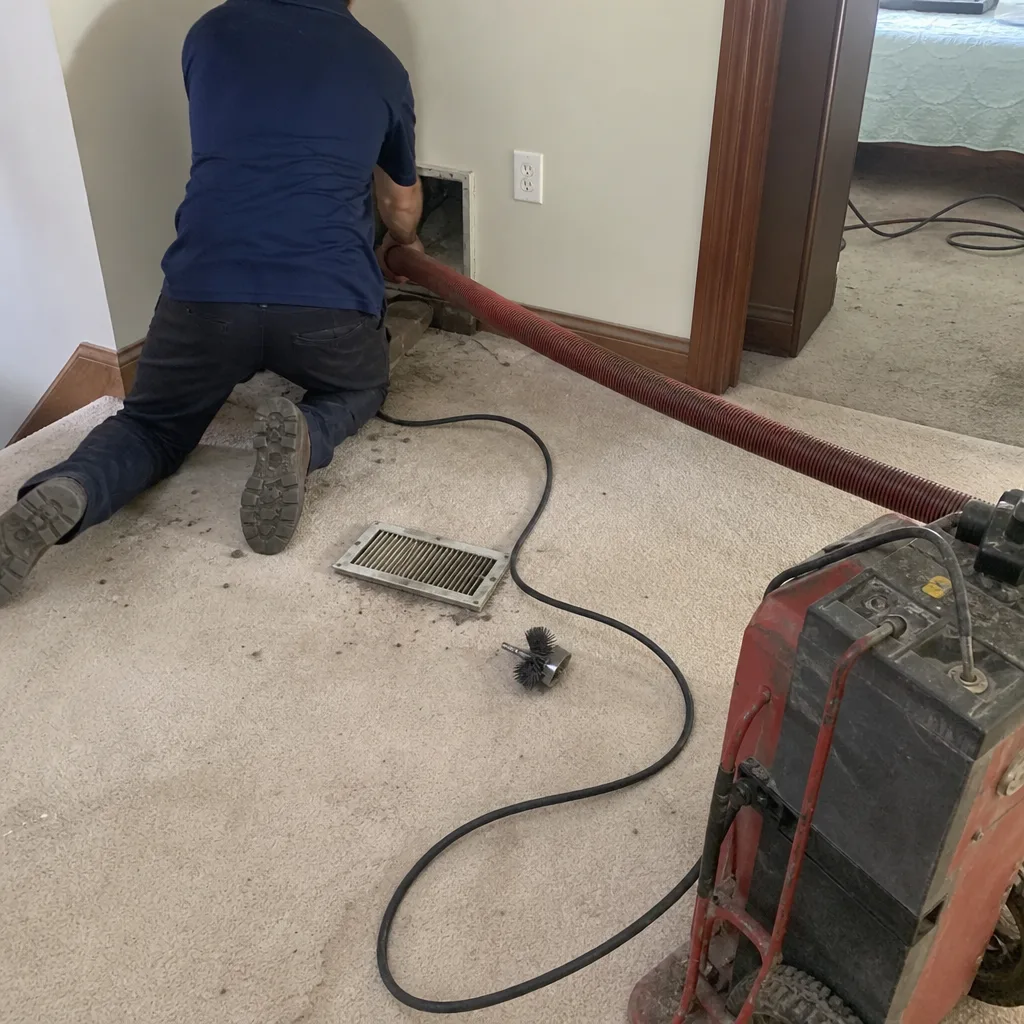 Before
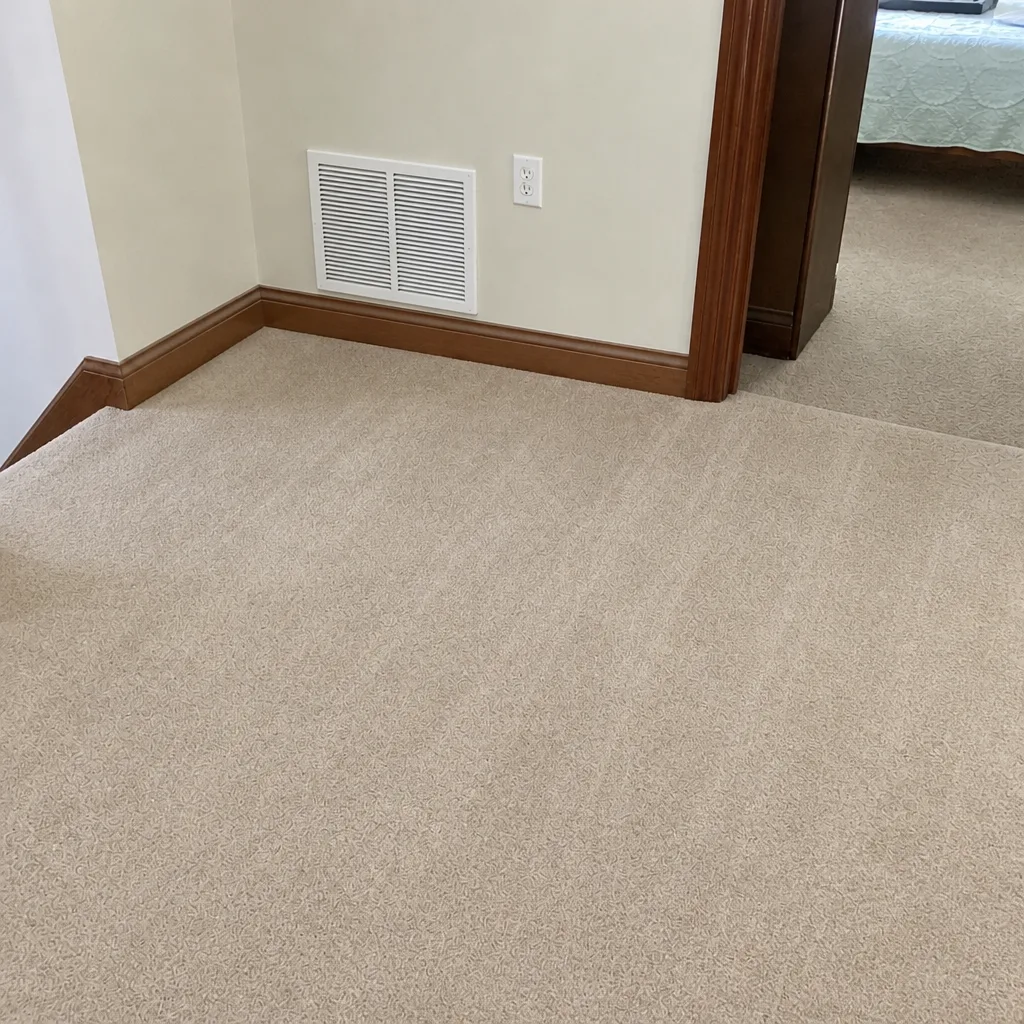 After
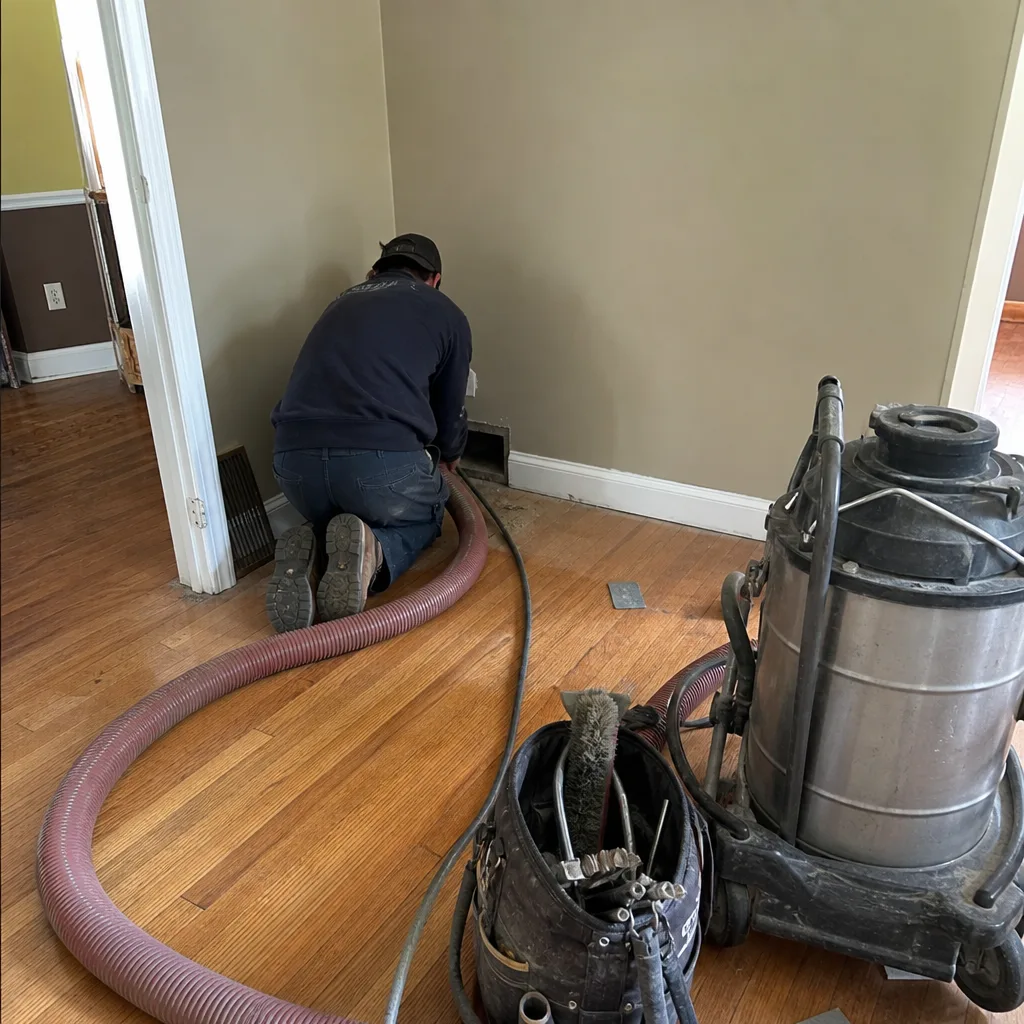 Before
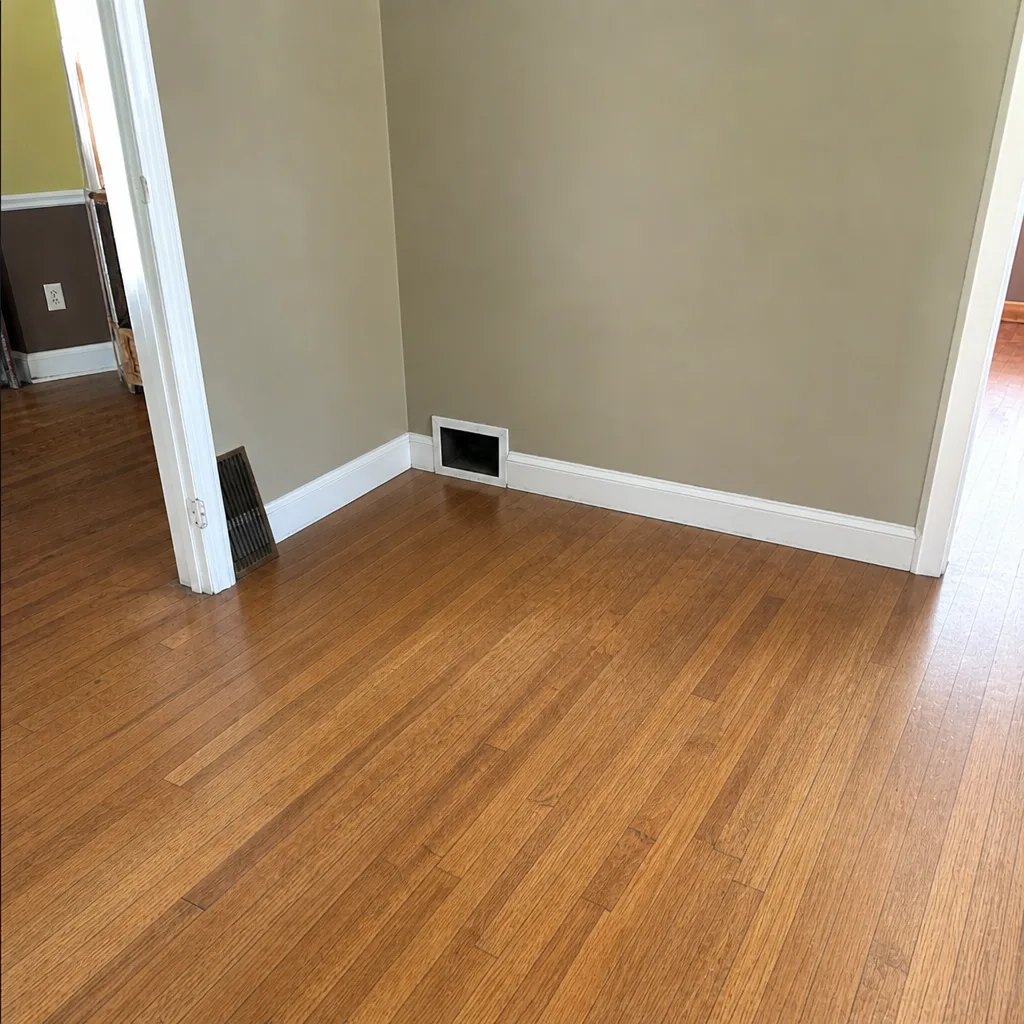 After
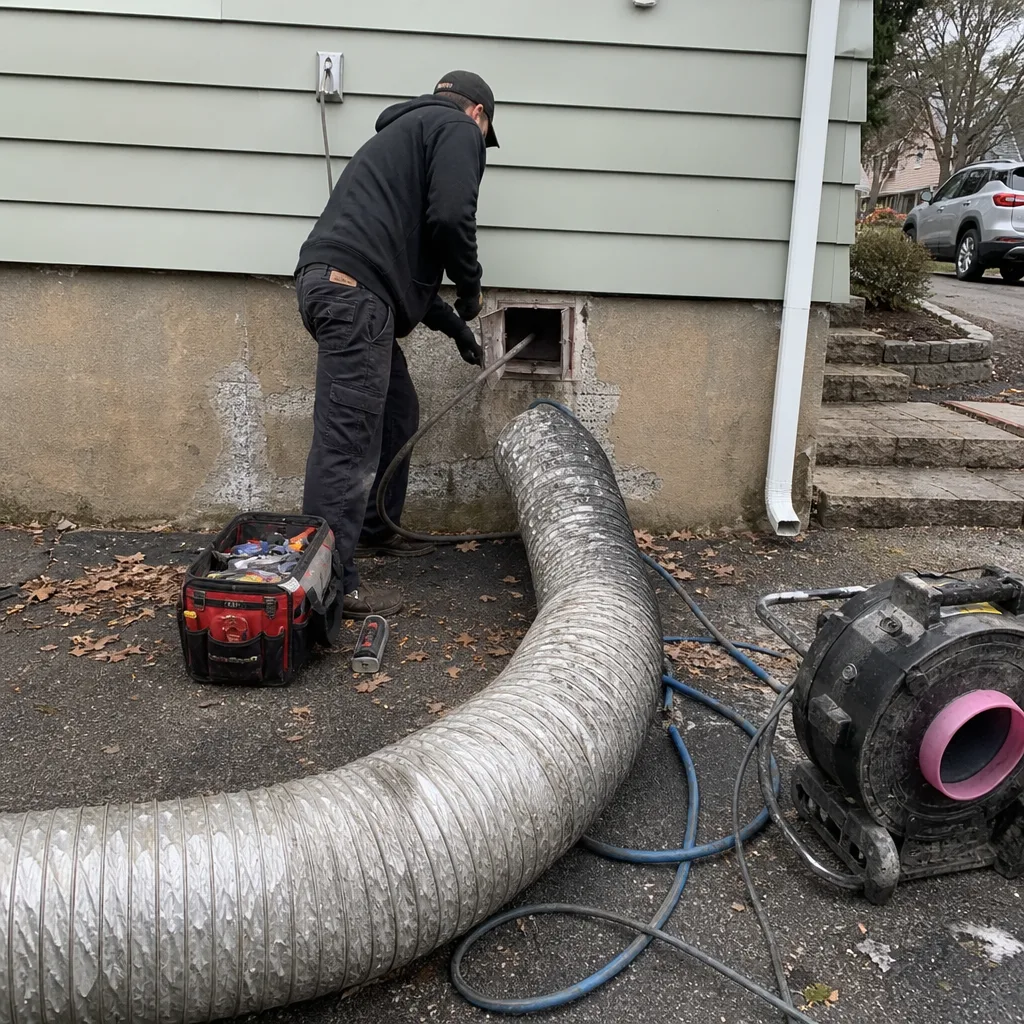 Before
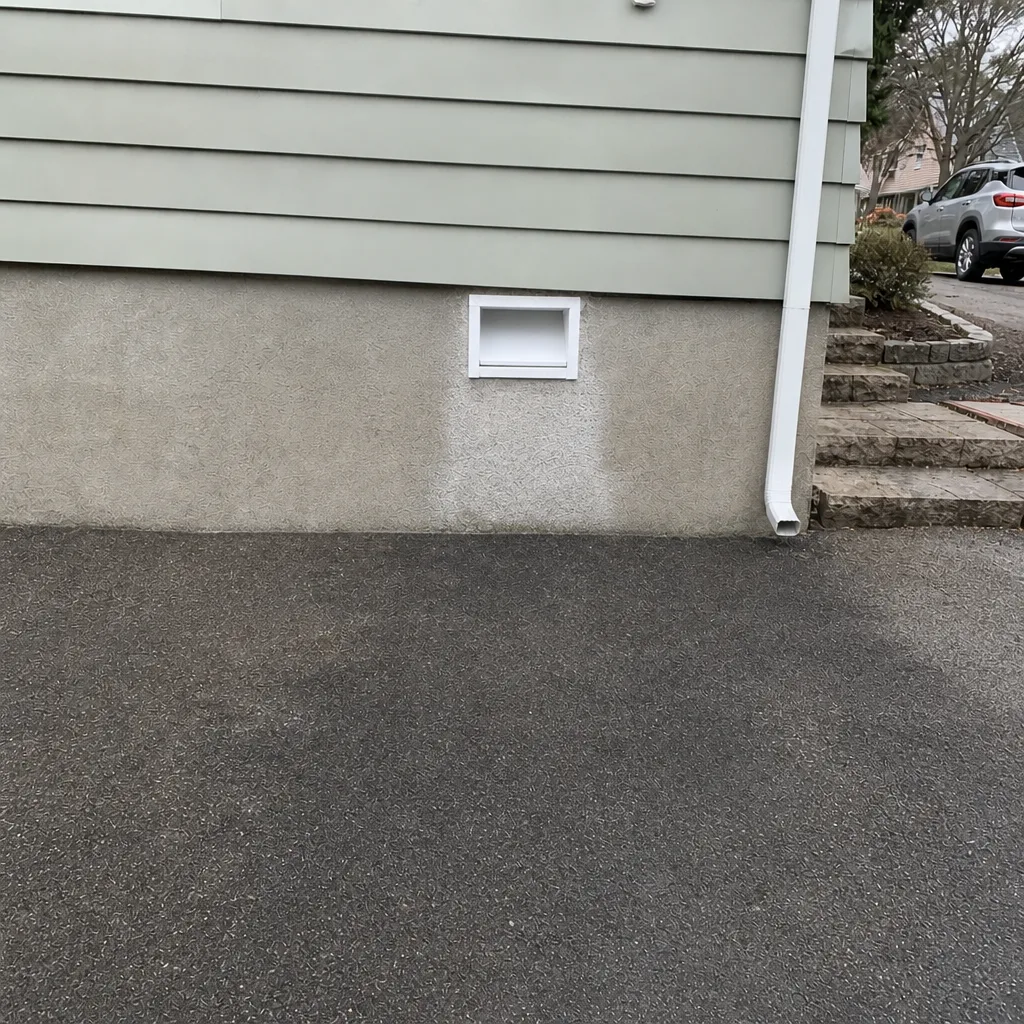 After
Common Mistakes to Avoid
- Judging the system by the grille alone. A clean grille proves nothing. The dust on the surface you can see is the last thing to accumulate and the first thing to be wiped. Look inside the boot.
- Replacing filters more often and calling it solved. Frequent filter changes can mask a return-side leak. If you’re changing filters twice as often as you used to, find out why before you buy another case.
- Blaming the furnace for a comfort complaint. A room that heats unevenly is usually a supply duct problem, and a furnace service call won’t fix it. Check the register airflow first.
- Treating a musty smell as normal. The first heat-up smell is normal for a few days. A damp, musty odor that doesn’t clear is a moisture issue, and it needs a specialist.
- Hiring on price per vent. A per-vent price rewards the crew for doing less per vent. A whole-system flat price, agreed before work starts, is the honest structure.
- Assuming cleaning and repair are separate jobs. If a duct is crushed, disconnected, or its liner is torn, cleaning alone doesn’t fix it. The system needs to seal and stay sealed.
- Skipping the dryer vent because the air conditioning seems fine. Dryer vent cleaning is a fire-safety service, not a comfort one, and it’s easy to defer indefinitely.
When to Call a Professional
Call a professional when two or more early signs show up together: a filter that loads fast, a musty odor that persists past the first week of heat, a room that’s fallen behind on comfort, or visible debris when you look into the boot with a flashlight. Any single sign is worth watching. A cluster is worth a real inspection. If you see evidence of moisture or organic growth inside a duct, don’t wait for the second sign. And if your dryer vent hasn’t been checked in years, that’s a call worth making regardless of what the ducts look like.
Our team uses professional-grade equipment on every job: Rotobrush rotary brush systems and Nikro HEPA vacuum rigs, plus Abatement Technologies filtration units that contain the work area and keep the rest of the house out of the dust path. That’s the difference between source-removal cleaning and a brush-and-shop-vac pass. If your system needs a repair rather than just a cleaning, we handle that too, because a cleaning that leaves a broken duct in place isn’t a fix.
The estimate is free, and you get a flat price per system agreed before work starts, with before-and-after photos of your own ducts so you can see what was done. Call (888) 392-6109. We answer 24/7. Fast dispatch from 7am to 7pm, Sunday through Friday.
Frequently Asked Questions
The earliest signs are uneven filter loading across returns, a musty odor on first heat-up, and a room that heats or cools slower than it used to. Visible dust at the registers is a late sign, not an early one. If you’re noticing two or more of these together, it’s worth a professional look. Call (888) 392-6109 for a free estimate.
A dry, faintly burnt smell that fades within a few days of the heat running is normal dust combustion. A damp, musty, or sour smell that persists past the first week of the heating season is a biological odor and points to moisture in the ductwork. The persistence and the character of the smell are what separate the two. If it doesn’t clear, call us for an inspection.
Because the duct run feeding that return is drawing dust from a leak or a loose joint on the supply side before the air reaches the filter. The filter is doing its job; the ductwork is the source. The fast-loading return usually sits near a modified or extended duct run. Our technicians can trace the source and seal it as part of the cleaning.
Ducts holding accumulated debris can re-circulate fine particulates every time the blower runs, which adds load for people with existing sensitivities. The signal to look for is symptoms that track with system operation rather than being present every day. That pattern is worth investigating, not a diagnosis on its own. Call (888) 392-6109 to talk through what you’re seeing.
You need repair, and cleaning alone won’t fix it. Damaged ductwork lets dust in faster than cleaning can remove it. We handle both in a single visit: source-removal cleaning plus sealing, patching, and restoring the compromised sections, so the system stays sealed after the cleaning is done.
There’s no single correct interval, but the warning signs on this page are a better guide than a calendar. A system that’s showing fast-loading filters, a persistent musty smell, or uneven comfort is a system worth checking now. Dryer vents deserve a look when they haven’t been assessed in years, since they’re a fire-safety component rather than a comfort one. Call (888) 392-6109 and we’ll help you decide.
The Bottom Line
Dust at the register is the last sign, not the first. The earlier indicators are quiet and specific: a return that loads fast, a musty smell that outlasts the first week of heat, a room that’s stopped keeping up, symptoms that track with the blower. Each one points somewhere concrete in the system, and each one is more useful than a blanket “my ducts are dirty” instinct. Learn to read them, check three or four register boots with a flashlight, and write down what the tissue test shows you at each register. If the signs cluster, call a specialist who’ll pull the debris out and seal what needs sealing. The estimate is free, the price is flat per system, and you’ll see before-and-after photos of your own ducts. Call (888) 392-6109 to book a look at your system.
Written by the team at Duct Cleaning Lynn.