
Last updated November 15, 2026
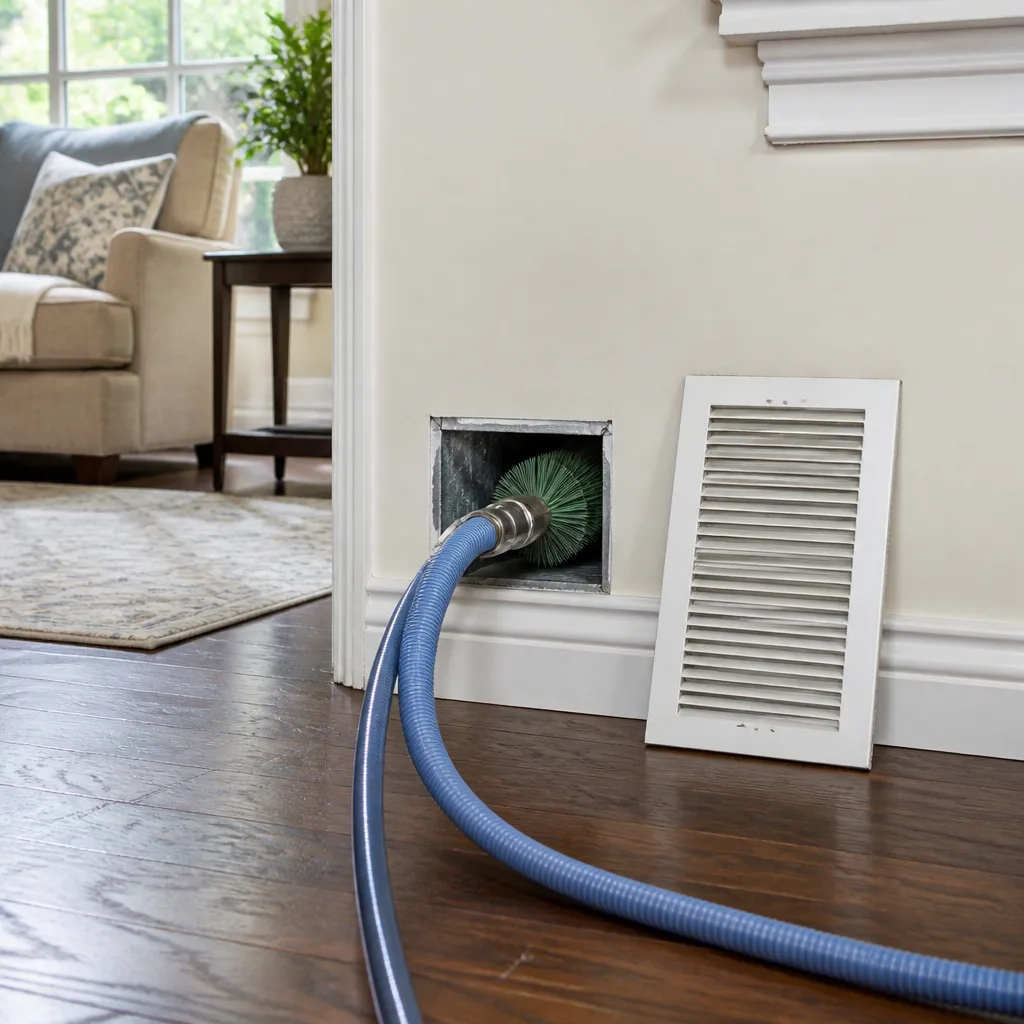 Whole-home duct cleaning
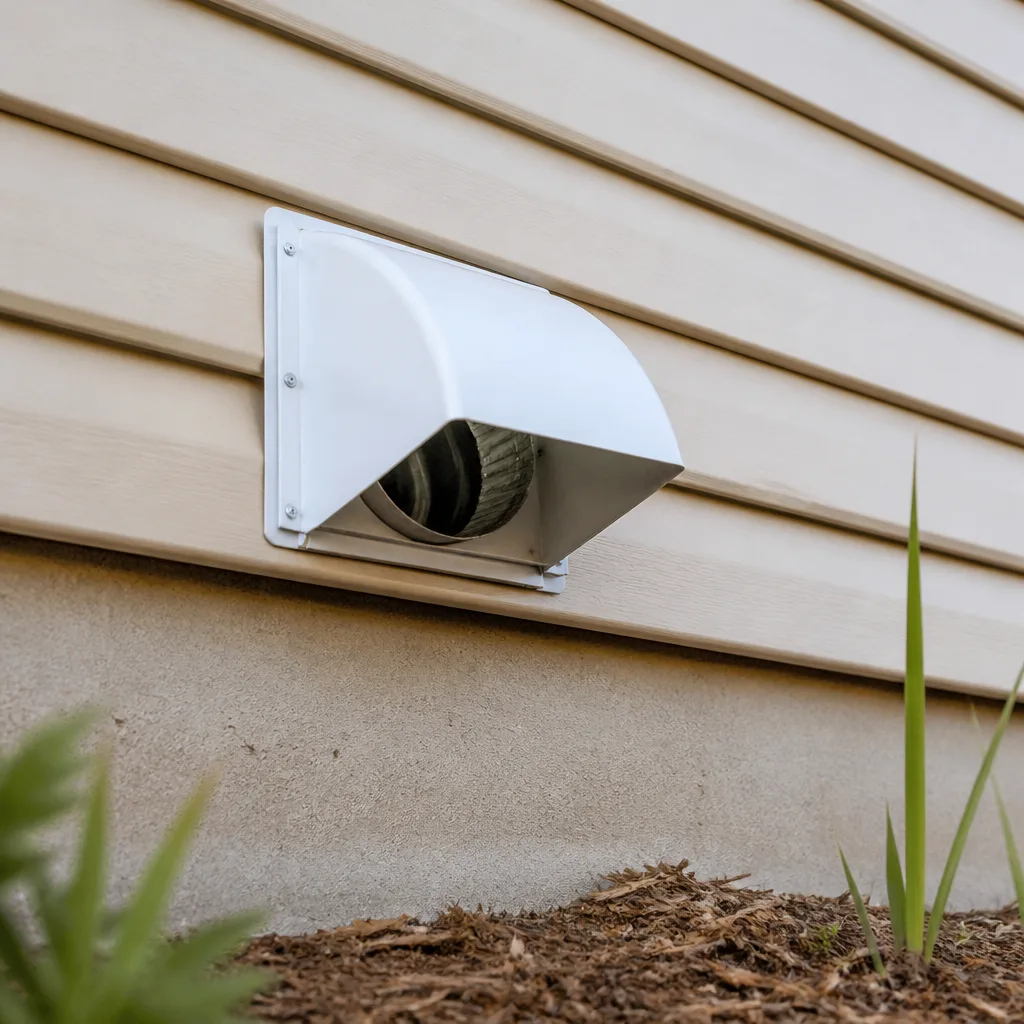 Dryer vent cleaning
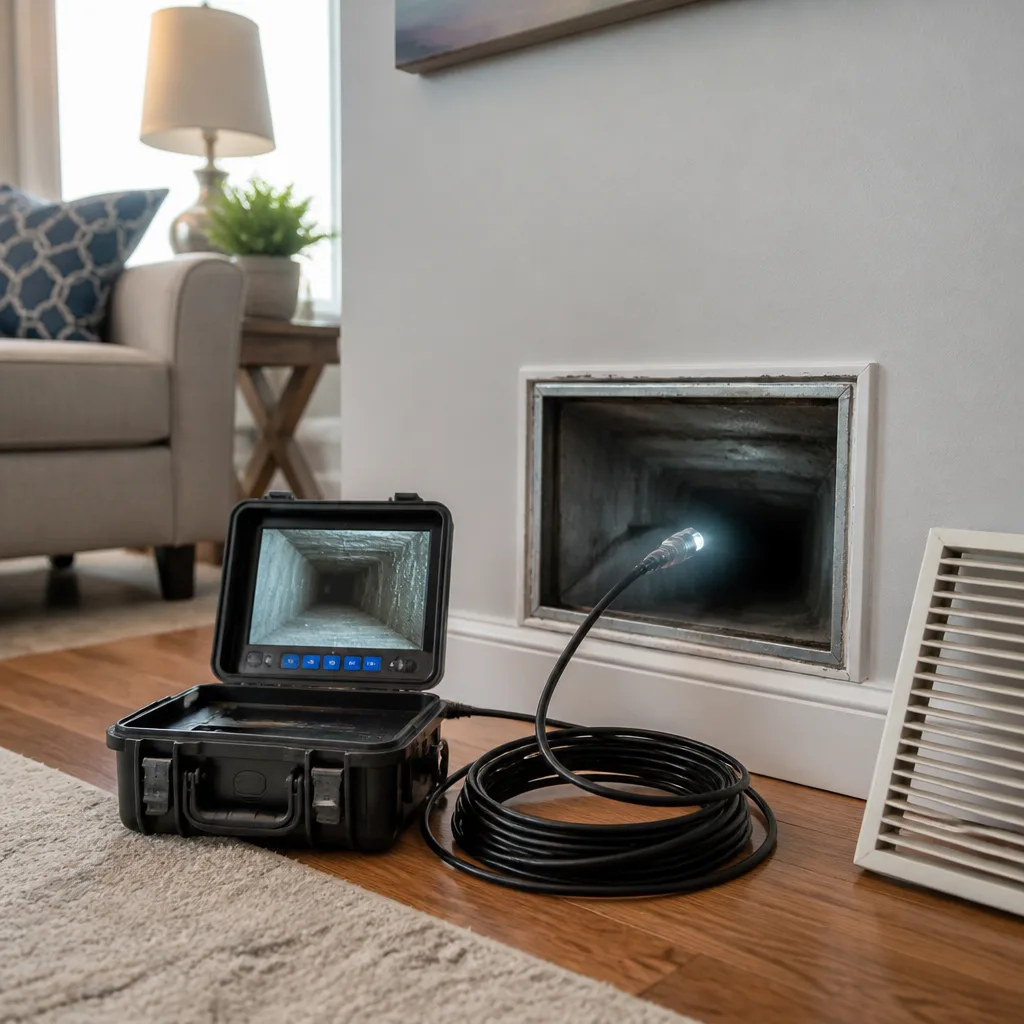 Camera inspection
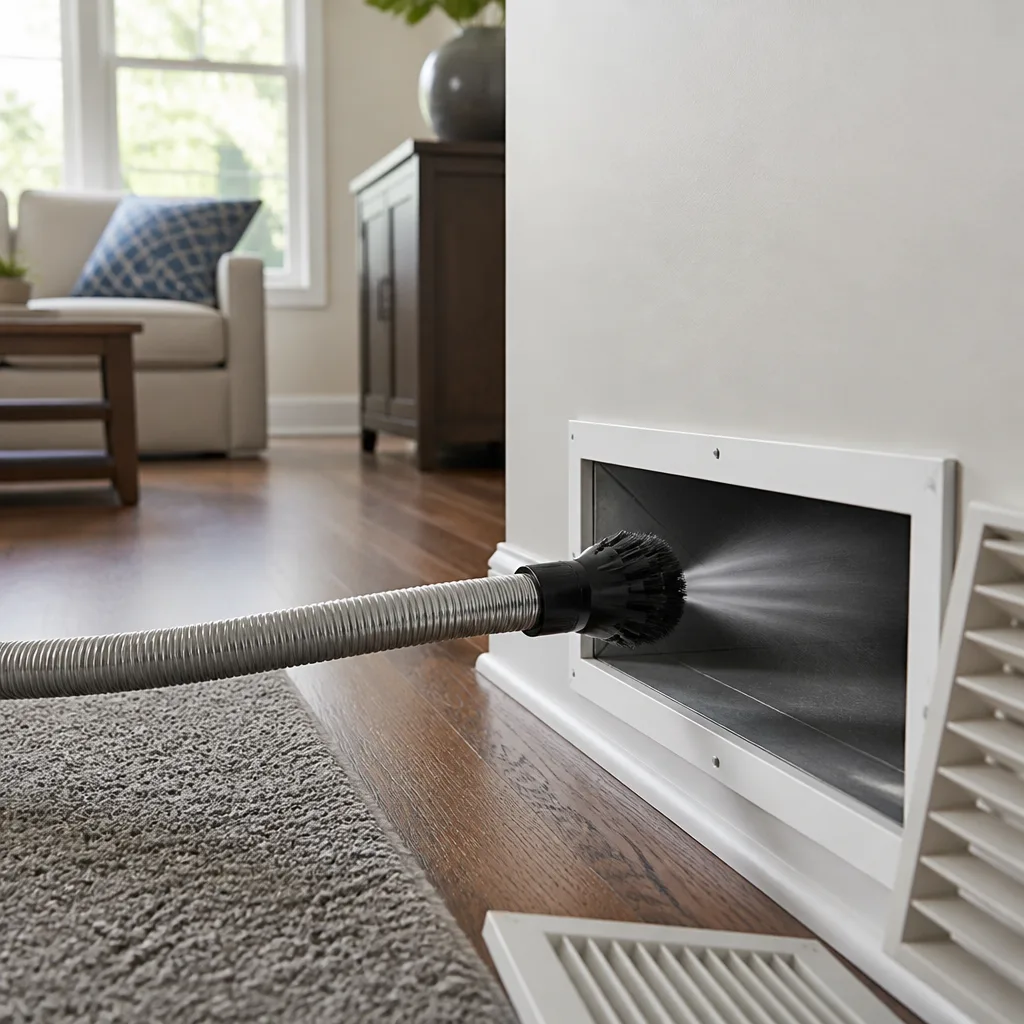 Sanitizing & deodorizing
Whole-system duct and dryer vent check with before-and-after photos - you see exactly what came out of your vents
That "$99 whole-house special" is a bait ad - the real number appears once they are in your hallway, or the "clean" is a shop-vac at the register. We photograph the inside of your ducts before and after instead.
Choosing the Right Air Duct Cleaning Brand: A Buyer’s Guide for Lynn
The name on the truck tells you almost nothing about what happens to your ductwork once the crew is inside. The national franchise with the recognizable logo often runs the same portable equipment and the same rushed pace as a cut-rate coupon operation, while a smaller local specialist may be the one carrying the containment gear and camera tools that the big brand left in the warehouse. In Lynn, that gap matters more than usual, because the city’s housing stock is older, denser, and far less uniform than the subdivisions the franchise playbooks were written for. This guide maps the three company types you’ll actually encounter, explains the incentives behind each business model, and gives you the exact questions to ask before you sign anything.
Quick Answer
In the Lynn market, the “best” air duct cleaning company is not decided by brand recognition. It’s decided by equipment class (professional rotary brush and HEPA vacuum rigs, not shop vacuums), containment capability (Abatement Technologies-grade filtration on site), and whether the company’s business model rewards clean results or equipment upsells. A dedicated duct specialist with real equipment, camera inspection, and repair capability will outperform a national franchise or an HVAC generalist on almost every job. Call (888) 392-6109 for a free estimate. We answer 24/7. Fast dispatch from 7am to 7pm, Sunday through Friday.
Styles & brands we work with
- Whole-home duct cleaning
- Dryer vent cleaning
- Camera inspection
- Sanitizing & deodorizing
Table of Contents
- The Three Company Archetypes in the Lynn Market
- How the Franchise Model Actually Affects What You Get
- Why HVAC Generalists Selling Duct Cleaning Have a Conflict
- What “Specialist” Means Operationally, Not on a Webpage
- The Equipment Checklist You Can Ask About Before Booking
- Why Air Duct Repair Capability Changes the Cleaning Job
- The Dryer Vent Question Most Buyers Forget to Ask
- How to Evaluate Any Company: A Five-Step Process
The Three Company Archetypes in the Lynn Market
Walk down the main commercial strips or search the web for duct cleaning in Lynn and you’ll see three distinct business types. They price differently, staff differently, and deliver differently. Knowing which one you’re talking to is half the decision.
1. The Dedicated Duct Specialist
This is a company whose only services are air duct cleaning, dryer vent cleaning, and air duct repair. That focus shows up in equipment investment (Rotobrush rotary brush systems, Nikro HEPA vacuums) and technician training concentrated on one trade. Because cleaning is the entire revenue line, there’s no incentive to redirect you toward a furnace replacement or an AC install. When a specialist finds a disconnected run or a crush in the ductwork, they fix it in the same visit rather than handing you off to a subcontractor.
2. The Regional or National Franchise
Franchises standardize everything: pricing scripts, technician scripts, equipment packages. That consistency has real value in cookie-cutter housing. It works less well when a Lynn triple-decker has 80-year-old galvanized trunk lines, an irregular run pattern, and a crawlspace that no franchise playbook anticipated. Franchise technicians also rotate. You may get an experienced hand or someone in their second week, and the brand on the van doesn’t tell you which.
3. The HVAC Generalist Add-On
Full-service HVAC companies list duct cleaning as one line among 30. Cleaning is rarely the primary business, and the crew assigned to it is often the junior technician or a subcontractor. The structural problem is incentive: cleaning leads are a natural gateway for the service department to identify “equipment that’s on its last legs,” and the pressure to convert a $X cleaning into a $X,000 replacement is real. Some of these companies do honest work. Many don’t.
For a closer look at what a specialist actually offers, see Duct Cleaning Lynn.
How the Franchise Model Actually Affects What You Get
Franchise models were built to produce identical service across dozens of markets. In a homogeneous subdivision with standard 8-inch flex runs and uniform housing ages, that works. In Lynn, where the housing stock runs a full century in age spread and includes triple-deckers, capes, colonials, converted multi-families, and mid-century ranches within a few blocks of each other, standardization becomes a liability.
The standardization trade-off
- Pricing is fixed by a call-center script and rarely accounts for the square footage and run count of a Lynn multi-family vs. a single-family cape.
- Equipment is bought centrally, so it’s consistent but not customized. Containment rigs, HEPA ratings, and rotary brush attachments may be a generation behind what an independent specialist is running.
- Training is standardized but delivered locally, so quality varies by franchisee. A strong owner with a good trainer delivers good service. A franchisee running lean delivers whatever the schedule allows.
- Containment is the biggest variable. Negative-pressure setups require Abatement Technologies-class filtration and someone willing to spend the setup time. If the franchise pays per job, not per hour, cleanup time gets trimmed.
What to actually check before booking a franchise
- Ask for the specific equipment brand the crew will bring. If they can’t name Rotobrush, Nikro, or an equivalent professional rig, that’s a data point.
- Ask whether negative-pressure containment is included, and in writing.
- Ask if camera inspection is part of the quote or an optional add-on.
- Ask for the name of the local franchisee and a working phone number for them, not the call center.
Franchises can pass all four. The point is that the recognizable logo doesn’t guarantee it, and the structure sometimes actively works against it.
Why HVAC Generalists Selling Duct Cleaning Have a Conflict
When a company earns most of its revenue from equipment replacement, tune-ups, and installs, a duct cleaning call is a sales appointment in disguise. This isn’t speculation; it’s how service department economics typically work. The company’s growth depends on converting maintenance customers into equipment customers, and the cleaning lead is the on-ramp.
What that looks like in practice: a technician arrives for cleaning, “notices” the ductwork is compromised in a way that requires the full HVAC system to be replaced, and the cleaning either doesn’t happen or happens as an incidental to a much larger quote. Sometimes the diagnosis is genuine. But when the same company is the one diagnosing, quoting, and installing, your second opinion just got harder to get.
A dedicated specialist has none of that incentive. Their business grows when they do good cleaning work and get referred, when they repair compromised ductwork they find, and when they deliver dryer vent cleaning that protects your home. The three services reinforce each other, and none of them require you to buy equipment you didn’t ask about. If you’re booking air duct cleaning, ask one question: what percentage of the company’s revenue comes from air duct cleaning versus equipment sales? The answer will tell you a lot.
What “Specialist” Means Operationally, Not on a Webpage
Any company can call itself a specialist. What you want to see is what that claim costs them in real overhead, because the difference between a genuine specialist and a marketing claim lives in that cost.
Equipment investment
A Rotobrush rotary brush system and a Nikro HEPA vacuum are serious capital equipment. So is an Abatement Technologies filtration unit, which is what enables negative-pressure containment that keeps dust out of your living space during the job. These aren’t the things a generalist buys on impulse. When a company owns them and brings them on the truck every time, the specialist claim has substance.
Technician focus
Specialist technicians spend their week inside duct systems. They learn to read a duct configuration, spot a disconnected flex run behind drywall, hear the difference between a clean rotary pass and a scrub that’s just polishing the surface. That pattern recognition doesn’t develop in a generalist shop where cleaning is a once-a-quarter assignment. Our technicians have up to 13 years of experience on duct and vent work specifically.
Complementary capability
A specialist also carries the tools to fix what cleaning exposes. When cleaning reveals a crushed return or a leaking joint, the same visit can address it through duct cleaning and repair handled under one scope. That’s what “clean ducts, repaired ducts” actually means.
Familiarity with whole-home air quality systems
Specialists who work with Honeywell and Aprilaire whole-home systems understand how duct components connect to filtration and purification equipment. That knowledge matters when a homeowner is deciding whether to upgrade filtration after cleaning, because the technician can speak to how the equipment integrates with the ductwork rather than guessing.
The Equipment Checklist You Can Ask About Before Booking
The single fastest way to separate real capability from marketing is to ask about equipment by name. A qualified company will answer without hedging. A company that can’t name its equipment is relying on you not to ask.
Here’s the list we’d want answered before we booked anyone for a Lynn home:
- Source removal equipment. Do they use a truck- or trailer-mounted or high-capacity HEPA vacuum system, or a portable shop vacuum? Ask for the brand. Rotobrush and Nikro are industry-standard names.
- Rotary agitation tooling. Do they use mechanical rotary brush systems (Rotobrush or equivalent) to agitate the dust from the duct walls, or just vacuum the accessible surface?
- Negative-pressure containment. Will they set up a filtration unit (Abatement Technologies or equivalent) to keep the working zone under negative pressure and protect the rest of your home?
- Camera inspection. Can they show you before-and-after footage of your own ducts, not stock video?
- Sanitizing and finishing products. Guardsman-brand products are used by restoration professionals for post-cleaning treatment. If a company can’t discuss what they apply, they probably don’t apply anything.
- Repair capability. Can they seal, patch, and restore compromised ductwork in the same visit, or do they subcontract it?
- Dryer vent integration. Do they clean dryer vents as a core service, not an upsell? This matters for fire safety, covered in more detail below.
Why Air Duct Repair Capability Changes the Cleaning Job
Cleaning alone assumes the duct system is structurally sound. In much of Lynn, it isn’t. Older homes frequently have disconnected runs, crushed flex duct behind a knee wall, deteriorated joint tape, or a return that was rerouted decades ago and never rebalanced. Cleaning a compromised system is like cleaning a bucket with a hole in it – the surface gets clean, but the dust reaccumulates from the leak just as fast.
What repair capability should look like
- Sealing failing joints and seams so leaks stop pulling dust from unconditioned space.
- Patching tears in flex duct and holes in galvanized trunk lines.
- Reconnecting runs that have pulled loose from boots or plenum taps.
- Restoring the run to intended airflow capacity rather than just taping over it.
A cleaning-only company can’t do any of that. They either clean around the damage, refer you to a separate contractor (who then quotes the repair as a new job), or recommend costly replacement. A specialist that owns both capabilities does the assessment, the cleaning, and the repair under one scope and one written price. That’s the model we work to in Lynn, and it’s the model we’d want if we were booking a cleaning on an 80-year-old home ourselves.
The Dryer Vent Question Most Buyers Forget to Ask
Dryer vent cleaning is a fire-safety service, not a comfort upgrade. Lint accumulation in a dryer exhaust run is a documented fire risk and a leading cause of residential house fires. Many duct cleaning companies ignore the dryer vent entirely or price it as an upsell to a duct job; a specialist treats it as a core service with its own dedicated equipment and its own inspection routine.
What a real dryer vent cleaning looks like
- The exhaust run is inspected for length, number of turns, and any crush points hidden behind drywall or inside a wall cavity.
- The run is cleaned end-to-end with rotary tooling sized for the duct, not just the accessible lint trap area.
- The exterior termination is checked to confirm the damper opens and closes and the run isn’t blocked by bird nests or lint matting.
- The run is inspected for damage that could be reducing airflow and creating a fire hazard.
In multi-family and older single-family homes in Lynn, dryer vent runs are often longer and more convoluted than in new construction, which makes them more likely to accumulate lint in mid-run. If you’re booking dryer vent cleaning, ask whether it’s a standalone service or a bolt-on to duct cleaning. The companies that do it well usually treat it as the former. It also supports understanding of whole-home air quality, since a clear dryer exhaust helps break the cycle of indoor humidity and lint that ends up circulating elsewhere.
How to Evaluate Any Company: A Five-Step Process
Here’s the actual evaluation sequence. It works whether you’re talking to a franchise, a generalist, or a specialist, and it takes about 15 minutes on the phone before you book.
- Ask for the equipment list by brand. Rotobrush, Nikro, and Abatement Technologies are names a real duct cleaning operation should recognize. A vague “professional equipment” answer isn’t enough.
- Ask how containment is handled. Will they set up negative pressure in the working area? What happens to the dust that comes out of the ducts during the job? An honest company describes the setup; a company avoiding the question is likely to leave dust in the living room.
- Ask for a camera inspection. Not stock footage, your own ducts. During the inspection and after the clean. A company that can’t offer this is asking you to trust the cleaning happened, which is the industry’s classic failure point.
- Ask for the written scope and price before work begins. One flat price per system, agreed up front, not a per-vent teaser that becomes a larger invoice on site. Estimates should be free.
- Ask for references from comparable Lynn homes. Same age range, same square footage, same duct topology. A reference from a new-construction home doesn’t tell you much if you live in a 1920s triple-decker.
In our experience, the companies that answer all five will also be the ones that show up with the right equipment and take the time to protect your home during the clean. The ones that don’t answer don’t get booked. If you want the shortcut version, call (888) 392-6109 and we’ll answer all five on the phone. We answer 24/7. Fast dispatch from 7am to 7pm, Sunday through Friday.
Common Mistakes to Avoid
- Choosing on price alone. The lowest quote is often built on either less equipment or less time per zone. Ask what’s actually included in the number, not just the number.
- Not asking about containment. A cleaning without negative-pressure filtration redistributes dust into your living space instead of removing it. In a Lynn multi-family, that dust goes into a shared building, not just your unit.
- Accepting per-vent pricing. Duct cleaning should be priced per system with a written scope. Per-vent pricing is how a small quote balloons on arrival.
- Booking an HVAC generalist for cleaning alone. Expect a sales pivot to equipment replacement. If you want an HVAC inspection, book one. Don’t confuse it with duct cleaning.
- Skipping the camera inspection. Without before-and-after footage of your own ducts, you have no way to confirm the work was actually done.
- Forgetting the dryer vent. That service isn’t a nice-to-have. It’s the highest fire-safety-value item in the whole visit and should be booked with intent, not as a footnote.
- Assuming older Lynn homes will be straightforward. Long, convoluted runs in triple-deckers and capes need more containment time and more inspection than a 1990s subdivision home. A company pricing to the latter’s schedule will cut corners on the former.
See the difference
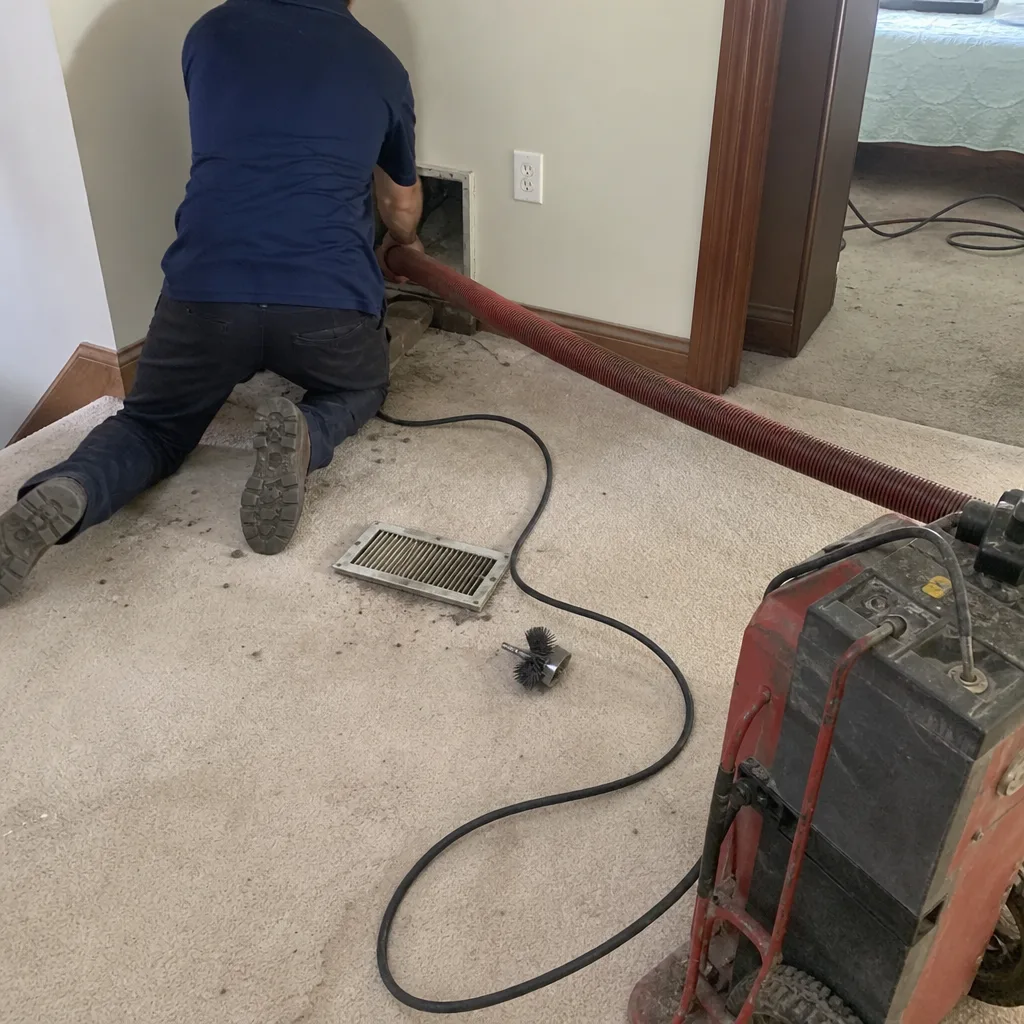 Before
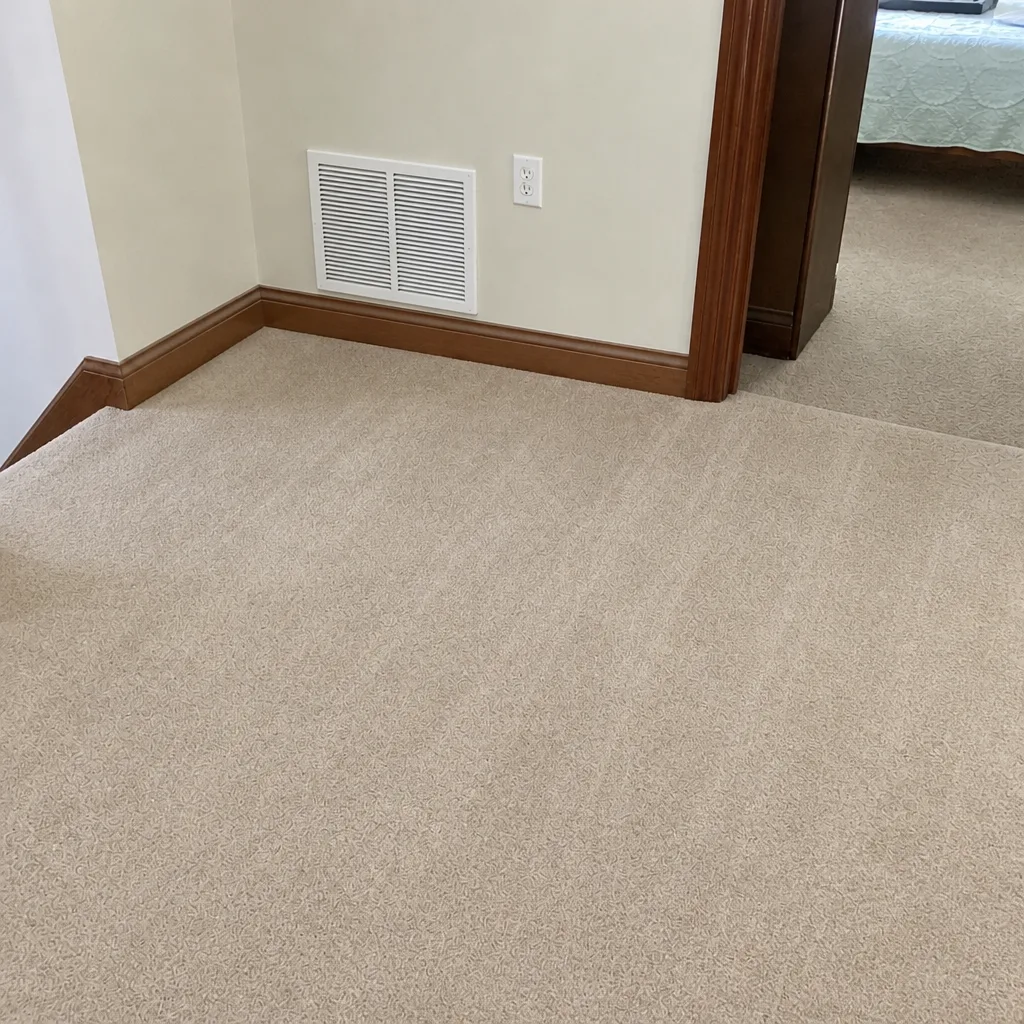 After
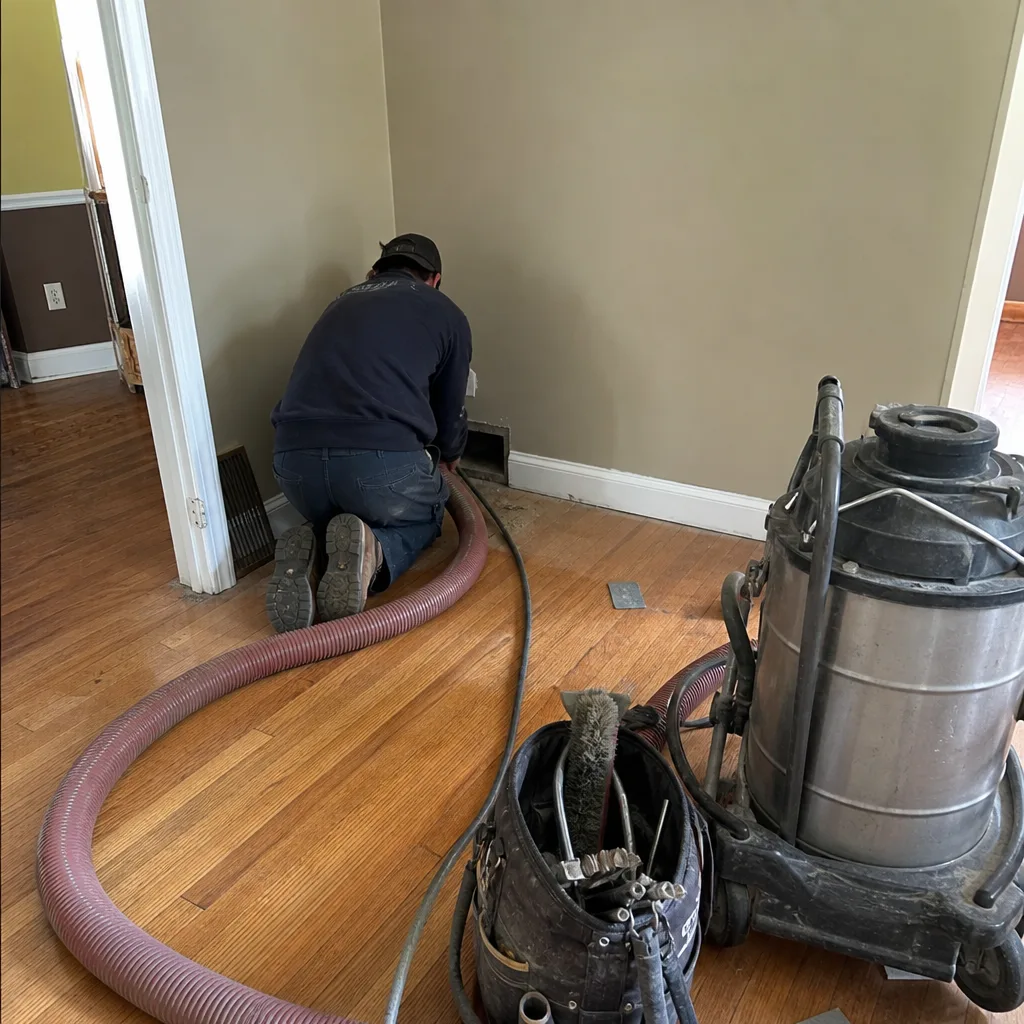 Before
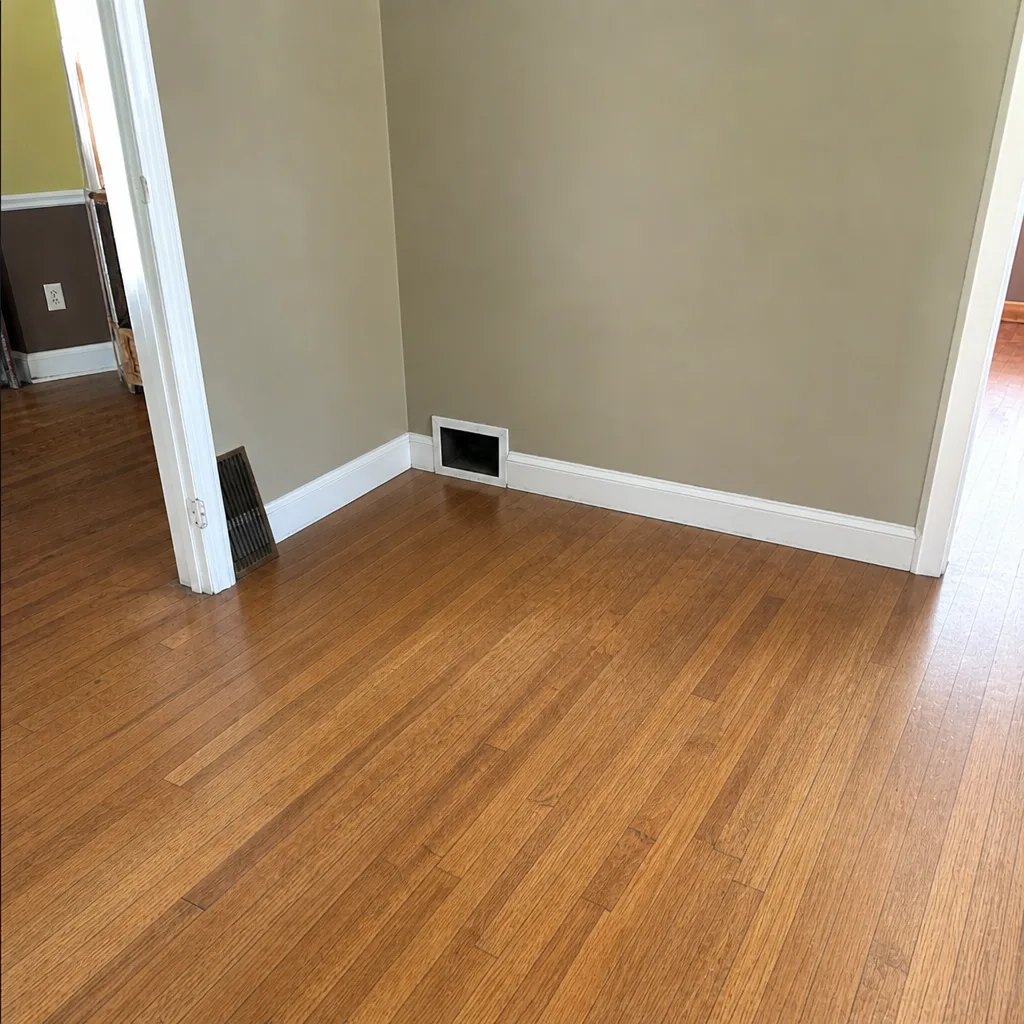 After
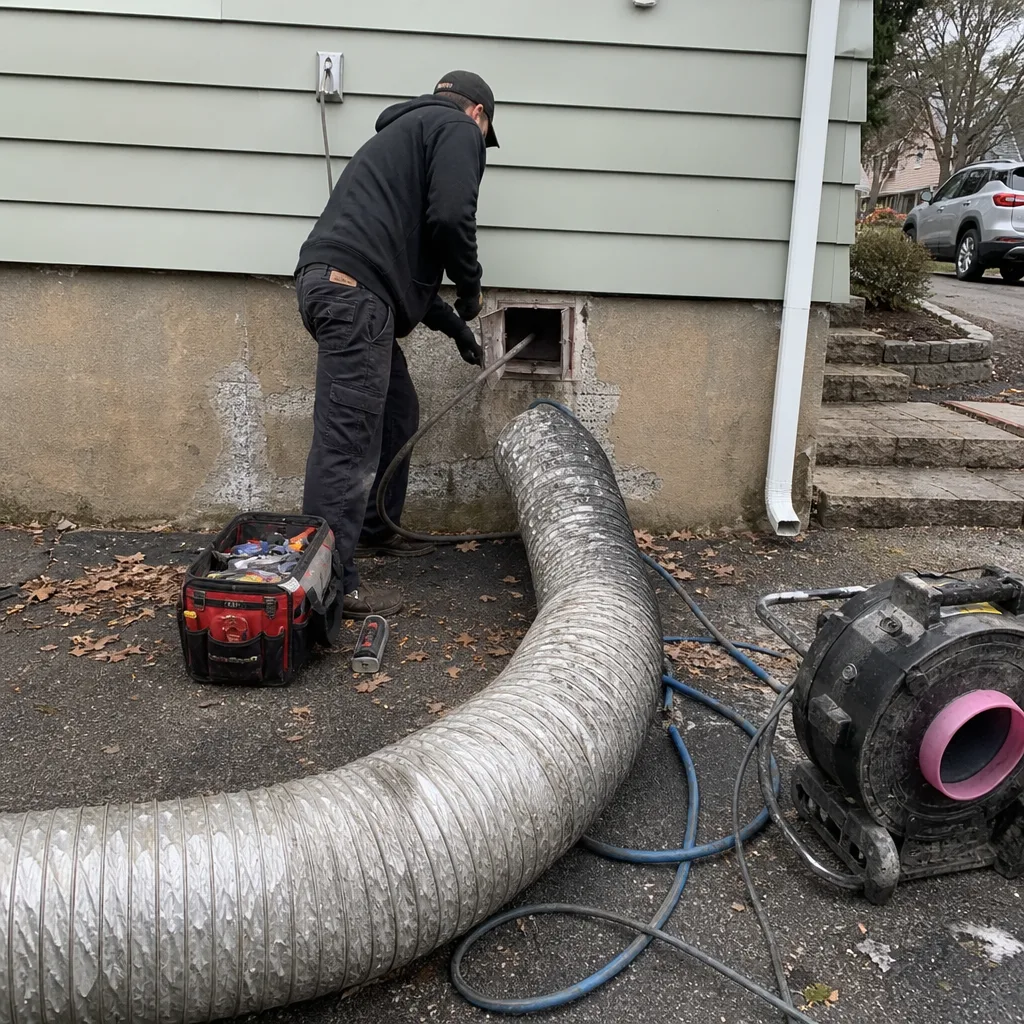 Before
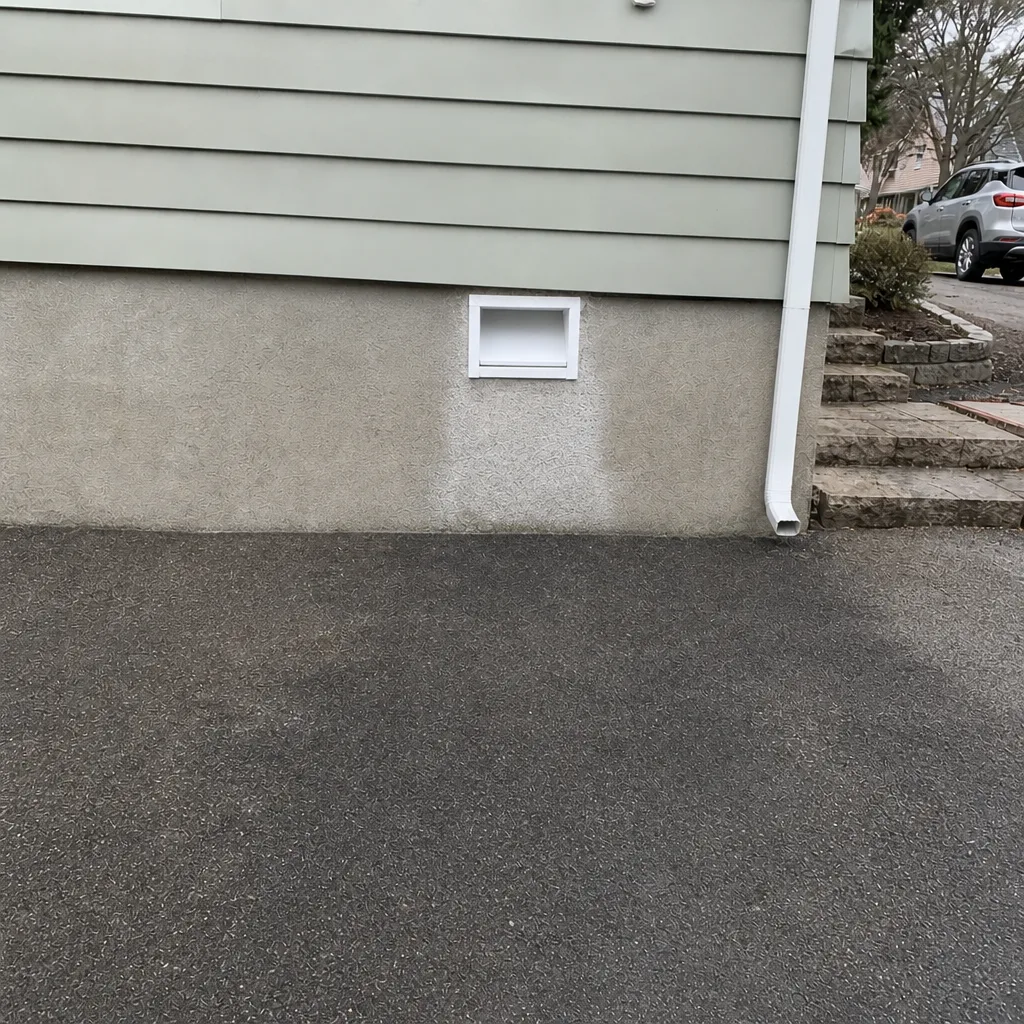 After
When to Call a Professional
Call a professional when any of these are true: you’ve been in the home for years and don’t know when the ducts were last cleaned; you’re seeing increased dust settling on surfaces after a filter change; allergy symptoms flare up when the air handler runs; a room never heats or cools like the rest of the house; you’ve had renovation work done that generated heavy dust; or the dryer is taking noticeably longer to dry loads, which can indicate lint build-up in the vent run. Those are all signals worth investigating with a real inspection, not a spot vacuum. Duct Cleaning Lynn offers free estimates in Lynn: call (888) 392-6109. We answer 24/7. Fast dispatch from 7am to 7pm, Sunday through Friday. Estimates are free and the price is set per job by the written estimate, agreed before any work starts.
Frequently Asked Questions
A whole-system cleaning in Lynn typically runs a few hundred dollars for a single-family home and somewhat more for a large multi-family, depending on run count and accessibility. We don’t quote per-vent prices or teaser coupons; we price per system based on the written estimate agreed before work begins. Call (888) 392-6109 for an exact quote. Estimates are free.
Cheap quotes usually reflect less time per zone, less equipment, or no containment. A crew that runs a lightweight vacuum and skips the Abatement Technologies filtration setup can undercut a properly equipped crew by a wide margin. You get what the equipment and time can deliver. Call (888) 392-6109 to compare a real scope against whatever number you’ve been quoted.
Ask for camera inspection before and after, on your own ducts, not stock footage. The companies that do real work are also the ones that will show you the footage. Ask for it in writing as part of the scope. Call (888) 392-6109 and we’ll walk through what your before-and-after inspection will cover.
Most homes benefit from cleaning every several years, but the real driver is what’s happening in the home. Renovation dust, pet dander, extended occupancy, and a compromised duct run all shorten the interval. In older Lynn housing, inspection matters more than a fixed calendar. Call (888) 392-6109 for a recommendation based on your actual system.
Not automatically. The franchise structure standardizes pricing and equipment, which helps in uniform housing and hurts in non-standard homes. The local specialist’s advantage is the willingness to spend the time on containment and inspection that a standardized playbook often trims. Ask about equipment and containment either way, and pick based on the answers.
You need repair if the system has disconnected runs, crushed flex duct, failing joint tape, or holes in the trunk line. Cleaning alone on a compromised system just lets dust reaccumulate. A specialist can identify and fix those issues in the same visit. Call (888) 392-6109 to book an inspection and get a straight answer on which you need.
The Bottom Line
The “best” air duct cleaning brand in Lynn isn’t determined by the logo on the truck or the size of the ad budget. It’s determined by three things: what equipment the crew brings, whether that crew is paid to deliver clean results rather than equipment upsells, and whether the company can repair what cleaning exposes. Dedicated duct specialists pass all three for structural reasons – their business model rewards cleaning results, they’ve invested in Rotobrush, Nikro, and Abatement Technologies gear, and they work with whole-home air quality systems from Honeywell and Aprilaire. Franchises and HVAC generalists can pass, but the structure works against them. Your move is simple: ask the five questions, get the answers in writing, and book the company that answers them without hedging.
For a free estimate on air duct cleaning, dryer vent cleaning, or air duct repair in Lynn, call (888) 392-6109. We answer 24/7. Fast dispatch from 7am to 7pm, Sunday through Friday. The estimate is free, the price is set per job by the written estimate, and the scope is agreed before any work starts. You’ll see before-and-after photos of your own ducts. That’s the standard we hold ourselves to, and it’s the standard we’d want if we were the ones booking.
Written by the team at Duct Cleaning Lynn.