
Last updated November 15, 2026
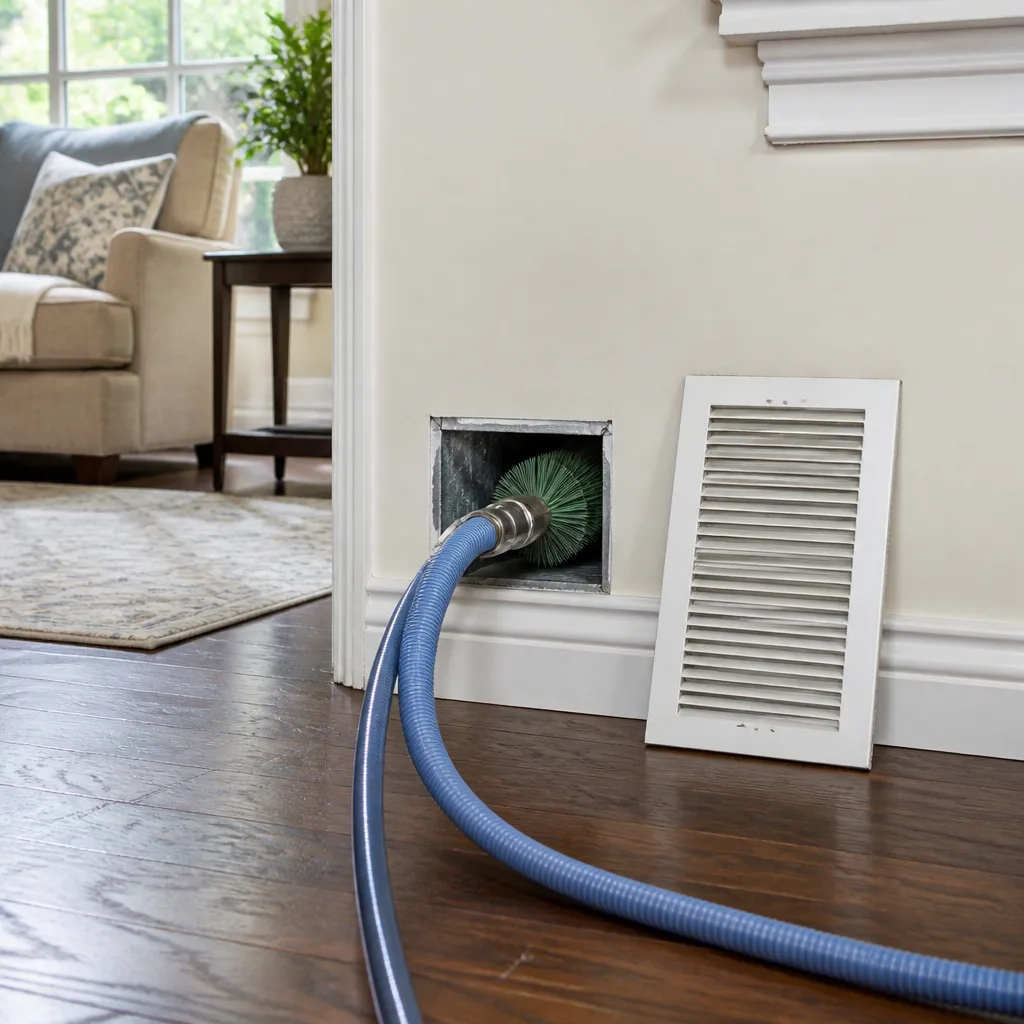 Whole-home duct cleaning
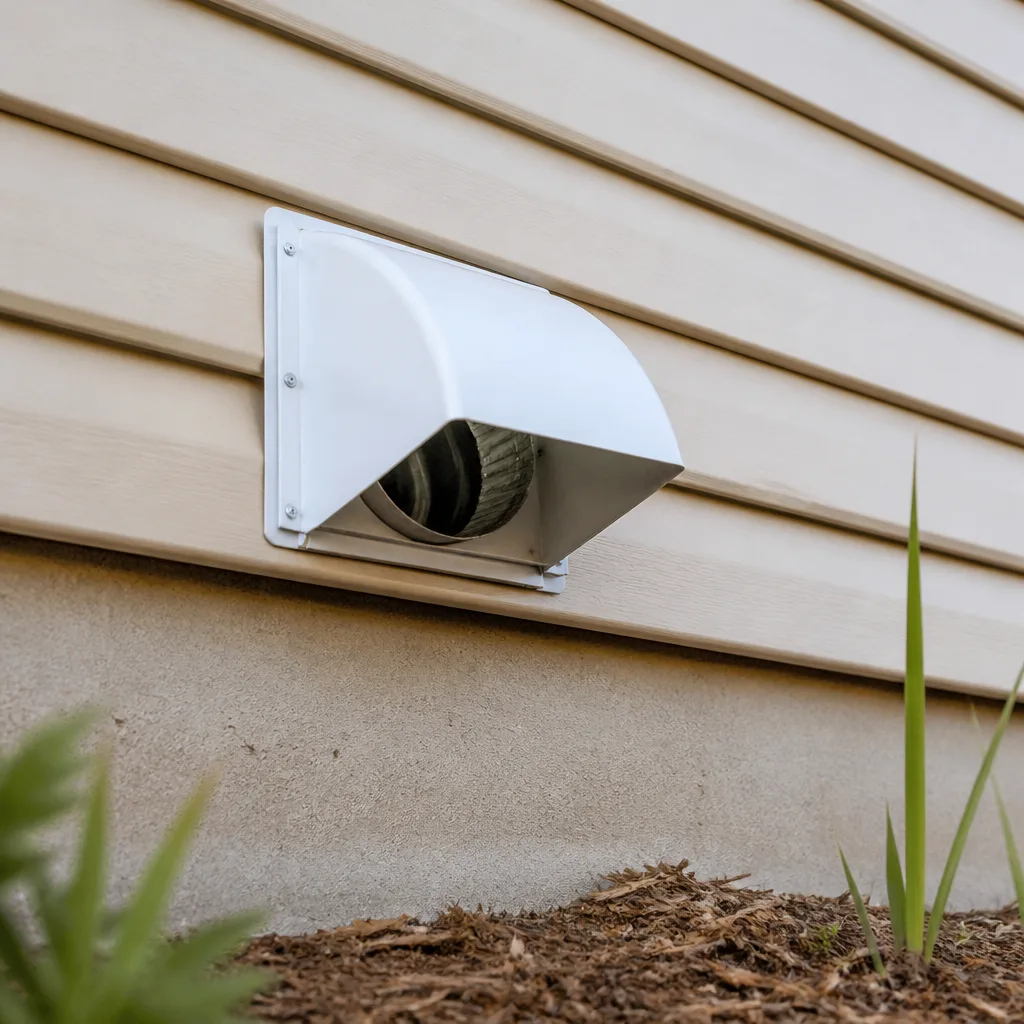 Dryer vent cleaning
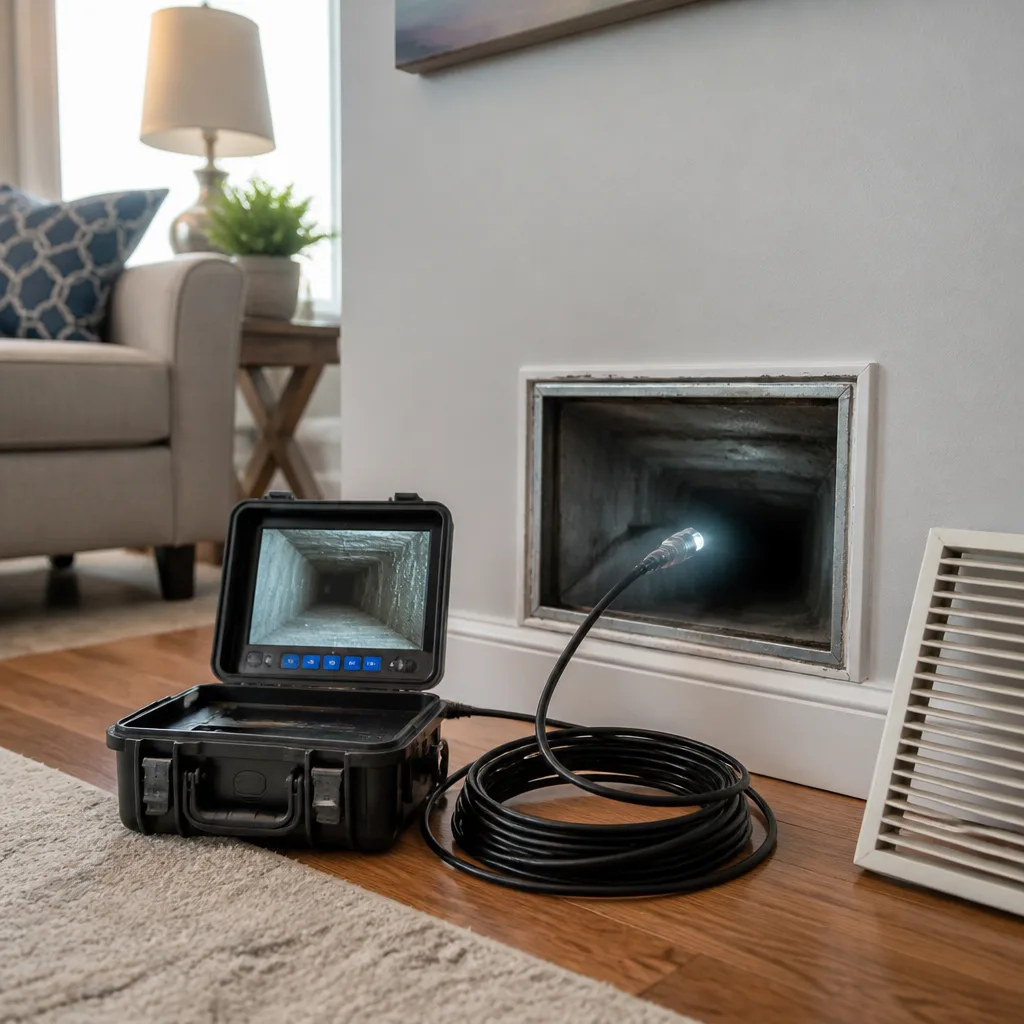 Camera inspection
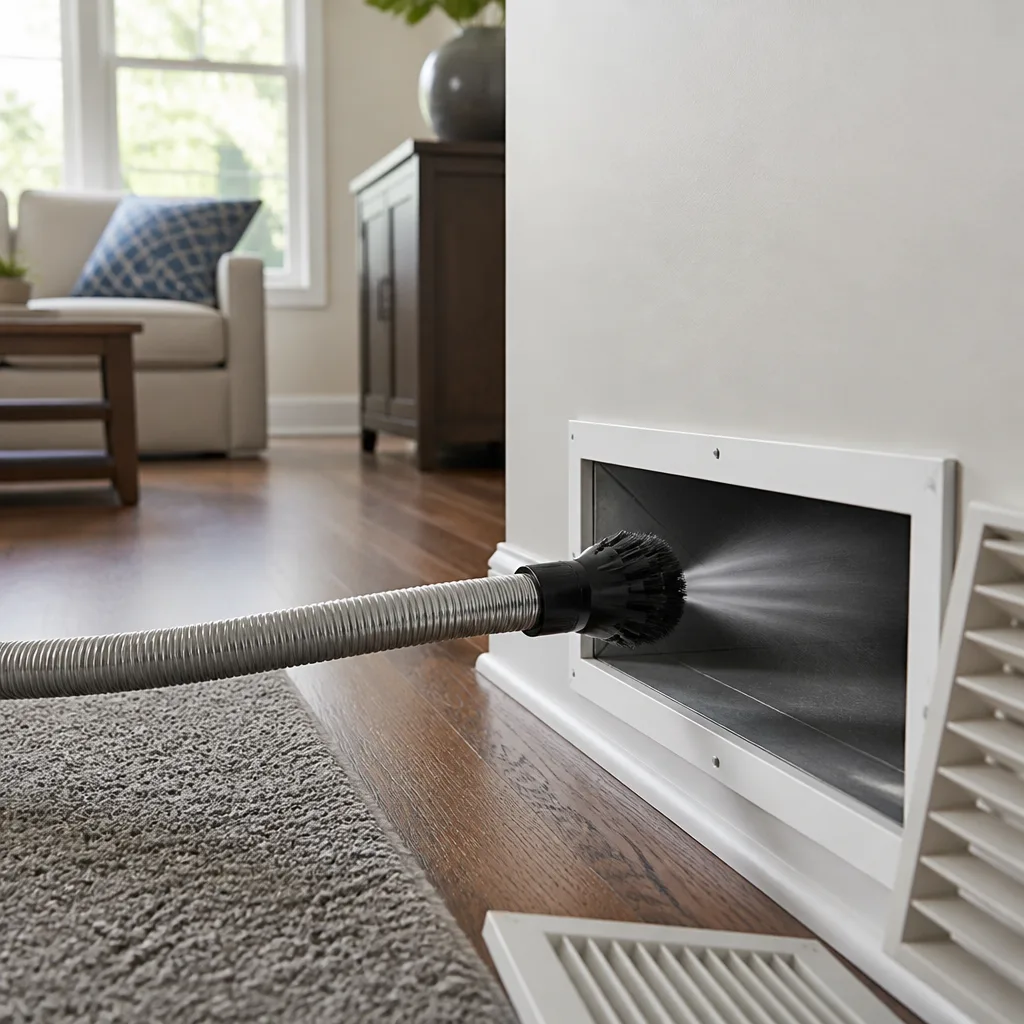 Sanitizing & deodorizing
Whole-system duct and dryer vent check with before-and-after photos - you see exactly what came out of your vents
That "$99 whole-house special" is a bait ad - the real number appears once they are in your hallway, or the "clean" is a shop-vac at the register. We photograph the inside of your ducts before and after instead.
Air Duct Cleaning Maintenance Schedule: What to Do and When
The advice to clean your ducts every 3 to 5 years was never built from measured debris accumulation. It was a marketing compromise that spread because it’s easy to say on a phone call. Your actual interval depends on how your home is used, what’s shedding in it, how well your filter is working, and where moisture collects. In Lynn, where many homes run older forced-air systems through humid basement return paths, that interval can shrink by half or stretch well past five years. This guide replaces the calendar rule with a condition-based schedule you can actually follow, so you know what to check, when to check it, and what resets the clock.
Quick Answer
Most homes need professional duct cleaning every 3 to 5 years, but that range only fits an average household. Homes with heavy-shedding pets, occupants with asthma or allergies, recent renovation dust, low-MERV filters, or a damp basement should be evaluated every 12 to 24 months. Use filter appearance at 30 days as your leading indicator, and schedule professional cleaning at seasonal HVAC switchover rather than on a random date.
Styles & brands we work with
- Whole-home duct cleaning
- Dryer vent cleaning
- Camera inspection
- Sanitizing & deodorizing
Table of Contents
- Why the “Every 3 to 5 Years” Rule Falls Short
- The Five Variables That Compress Your Cleaning Interval
- Filter Inspection: The Leading Indicator Nobody Uses
- Seasonal HVAC Switchover: The Right Window for Maintenance
- Events That Reset the Clock: Floods, Pests, Roof Work, Equipment Replacement
- A Step-by-Step Annual Inspection You Can Do Yourself
- Building a Maintenance Log That Future Techs and Inspectors Can Use
- Dryer Vent Cleaning on the Same Schedule
Why the “Every 3 to 5 Years” Rule Falls Short
The 3-to-5-year guideline is a useful starting number for a household that doesn’t know where to begin. It’s not a measured standard. Duct systems in Lynn accumulate debris in stages, not on a smooth curve, and the rate depends on how many households share the same air, how often the system cycles, and whether the filter is catching what it should. A house with two indoor cats, wall-to-wall carpet, and a 40-year-old forced-air furnace will hit a dirty-duct threshold in 18 months. The house next door with hardwood floors, no pets, and a HEPA furnace filter may genuinely go 7 years without a problem.
The concept that matters more than frequency is load. Duct load is the total amount of particulate the system carries per hour of operation. Load rises when the system runs continuously through a long heating season, when return air passes through a dusty space, or when the filter is undersized for the airflow. In Lynn’s older housing stock, return-air chases that run through basement ceilings pick up more than a system with dedicated return trunks in a newer home in the same neighborhood.
What this means in practice is that the correct schedule for your home is not a number pulled from an article. It’s an inspection cadence tied to the variables that change the load. Once you know your variables, you can plan a real interval instead of guessing. Refer to our page on air duct cleaning for what an actual cleaning visit covers, and use the framework below to decide how often you need one.
- Baseline for an average household: professional cleaning every 3 to 5 years.
- Compressed for one or more high-load variables: evaluation every 12 to 24 months.
- Extended for low-load, clean, filtered homes: inspect annually, clean past 5 years if the interior stays clean.
The Five Variables That Compress Your Cleaning Interval
Five home-and-occupancy conditions cut the standard interval. If two or more apply to your home, treat your evaluation schedule as annual even if you last cleaned the ducts recently. None of these are reasons to panic. They are simply markers that the system is working harder than the average system it was designed against.
1. Pets with heavy shedding
Cat and dog dander, fur, and skin flakes collect in return ducts faster than most homeowners expect. Fur mats that form in the return grilles reduce airflow and force the blower to work harder. If your home has more than one heavy-shedding pet, plan on an inspection every 12 months and cleaning roughly every 2 years.
2. Occupants with asthma or allergies
When someone in the home has a diagnosed respiratory condition, the tolerance for suspended particulate drops. The ducts may not look dramatically dirty from a grille view, but the fine fraction (particles that won’t settle) is what matters. In our experience, households managing asthma or seasonal allergies are usually well served by a 12-to-18-month cleaning cadence combined with a higher-MERV filter that the blower can handle.
3. Recent renovation work
Drywall dust, sawdust, insulation fibers, and construction debris are the dirtiest material a duct system will ever see. Drywall dust is fine, travels deep into the trunk lines, and settles where the shop vac from the contractor will never reach. Put renovation at the very top of this list. After any renovation that involved cutting, sanding, or opening walls, plan a full cleaning within 90 days of the project punch list, and keep the system off while the messy work is happening if you can.
4. Inadequate filter MERV rating
A cheap fiberglass filter catches almost nothing below 10 microns. When the filter is a net rather than a screen, everything the filter misses settles in the ducts. Upgrading the filter has a bigger effect on duct load than cleaning frequency. Match the MERV to what the blower can pull without starving the system, and check with your HVAC technician before jumping to a very high rating on an older air handler.
5. High-humidity basements feeding return air
Lynn homes with basement return-air trunks sit in a different category. The basement is the most humid space in the house in summer, and if any return is drawn from that space, damp air moves through the ductwork and encourages dust to cling. A dehumidifier in the basement, combined with clean ducts and a filter rated for the load, goes a long way. Where basement moisture is chronic, plan on an annual duct inspection in addition to the cleaning.
Filter Inspection: The Leading Indicator Nobody Uses
The single best predictor of duct cleanliness is not the year on the calendar. It’s what your furnace filter looks like at 30 days. If the filter is packed with gray matting by day 30, that particulate load is also finding its way into the return trunks and settling where you can’t see it. A filter that is still light after 30 days tells you the system is running clean and you can stretch the cleaning interval.
We like a simple four-document system: notes on what the filter looks like, what MERV it is, when it was changed, and what the tech said on the last visit. Here’s how to run the 30-day check so it tells you something.
- Day 1: Install the filter fresh. Note the date, the MERV number, and the brand on the filter frame.
- Day 30: Pull the filter and look at it under a bright light. Note color (white, gray, brown, black), mat density, and any visible fur or fibers.
- Month 3: Repeat. A filter that goes from white to visibly loaded in three months means the ducts are taking up some of that load too.
- Month 6: If the filter is fully loaded (no light passes through), the system is running at high load and your duct cleaning interval should be treated as 12 to 24 months.
- Annually: Compare the pattern year over year. A worsening trend usually traces back to a new pet, a renovation, or a failing filter seal.
Two things commonly get missed: filter fit and filter seal. A filter that doesn’t seat tightly lets unfiltered bypass air around it. Even a good MERV 13 filter can’t stop what walks around it. When we visit a home in the Lynn area for the first time, checking the filter slot fit is one of the things our technicians do before they start on the ducts.
Seasonal HVAC Switchover: The Right Window for Maintenance
The best time for a professional duct cleaning is at the heating-to-cooling and cooling-to-heating switchover. Those are the two moments when the system is already going to be off for a while, and when you’re about to move from one dust-cycling season to the next. In Lynn, that usually means late spring (before the cooling season) and early fall (before the heating season).
Timing the work to the switchover has practical value. The cleaning finishes with fresh sealed ducts, and the system then enters the season that matters most for air quality without a restart load already in the trunk lines. It also means the maintenance doesn’t cut into the coldest days or the hottest days when you want the system running.
Tasks between professional cleanings that protect duct cleanliness
- Right before heating season: Replace the filter, vacuum return grilles and supply grilles, and check basement return openings for visible dust accumulation.
- Right before cooling season: Replace the filter again, check that condensation drains are running clear (wet ducts need fixing, not cleaning), and verify the basement dehumidifier is running if the return draws from there.
- Anytime you change a filter: Note the date and appearance. That single habit is the base of the maintenance log.
- Pre-renovation: Shut the system off and seal the grilles in the affected rooms with painter’s tape and plastic before cutting begins.
What about the “should I clean before or after the season” question?
Before. Clean ducts at the start of the season they will serve, not after. Cleaning after the season just means a fresh set of dust bunnies will collect before the next load demand.
Events That Reset the Clock: Floods, Pests, Roof Work, Equipment Replacement
Some events reset the cleaning interval to zero regardless of what your calendar says. If any of the following happen, treat your ducts as recently cleaned and schedule fresh work that replaces the regular interval entirely.
Basement flooding
Water in a basement that contains duct runs is the clearest reset. Even if the water only reached the bottom of the basement, damp air and high humidity feed the ducts for weeks after the visible water is gone. Before cleaning, the ducts need to be dried and the moisture source corrected. Damp ducts should be inspected, not simply cleaned. Cleaning while damp can spread moisture into the trunk lines.
Pest intrusion
Rodent activity in ductwork leaves droppings, nesting material, and hair that a routine cleaning is not designed for. A pest-tight cleaning and an inspection for damaged flex runs is a different scope than a standard maintenance clean. Cleaning alone without a pest control partnership isn’t enough. Get the pest problem sorted, then the ducts.
Roof work
Roof replacement usually involves debris and insulation fibers falling into attic spaces and, in older homes with attic supply trunks, into the duct runs themselves. Schedule a cleaning within 30 days of the roof completion. The same applies to attic insulation replacement.
HVAC equipment replacement
When a furnace, air handler, or AC coil is replaced, the new equipment should enter a clean duct system. A new blower pushing through years of accumulated debris is a load the new equipment shouldn’t have to carry. Cleaning at the moment of replacement means the new components start from a clean baseline. It also means any compromised duct sections the installer couldn’t reach can be patched at the same time. Our technicians can handle the cleaning and the Duct Cleaning Lynn repair side of that work in the same visit.
A Step-by-Step Annual Inspection You Can Do Yourself
An annual self-inspection tells you whether your schedule needs to change. It’s not a substitute for professional cleaning, but it’s the difference between guessing and knowing. These are simple checks a homeowner can do safely without opening the HVAC cabinet or climbing on the roof.
- Remove a return grille cover. Look inside with a flashlight. Fine gray dust clinging to the sides of the duct is normal. Fur, visible matting, or black deposits mean the duct is due.
- Remove a supply grille cover in a bedroom. Look at the register boot. If you see dust streaking the register blades, the supply side is carrying debris.
- Pull the filter and photograph it. Store the photo with the date. This is the single most useful record you can keep.
- Check humidity in the basement. A simple hygrometer reads relative humidity in seconds. If it’s routinely above 55% in summer, the basement is contributing load to any return that passes through it.
- Walk the visible flex duct in the attic or basement. Look for crushed, torn, or disconnected runs. Damaged segments leak air and dust into the space they pass through.
- Run the system and note airflow at the grilles. A per-room check with the back of your hand will tell you if any room has lost pressure. Weak airflow in one room is often a sign of a collapsed or disconnected duct run.
When self-inspection is enough, and when it isn’t
If all six checks come back clean, your current interval is working and you can stay on it. If two or more show a problem, schedule a professional inspection. Airflow loss, visible matting, and moisture are the three signals that say don’t wait for the calendar.
Building a Maintenance Log That Future Techs and Inspectors Can Use
A duct maintenance log is one page, kept with the HVAC equipment. It doesn’t need to be digital, though a phone photo album works fine. The purpose is straightforward: when a future technician, a home inspector during a sale, or a new HVAC contractor asks what has happened to the system, the answer is on one sheet instead of scattered across a dozen receipts.
Here’s the format we recommend. Keep a single sheet taped inside the furnace cabinet door or stored in a kitchen drawer.
- Date of each professional cleaning and the company that did it.
- Scope of work: main ducts, branch runs, returns, dryer vent, any repairs.
- Filter changes: date, MERV, brand, appearance (white, gray, loaded, packed).
- Repairs: what was sealed, patched, or replaced, and when.
- Events that reset the clock: flooding, pest intrusion, roof work, equipment replacement.
- Humidity readings, if you keep a hygrometer in the basement.
- Any known problem areas flagged by the technician (a crushed flex run in the attic, a return that needs resealing).
Two reasons this matters more than most homeowners realize. First, a well-kept log makes it much easier for a technician to diagnose problems because they know what has already been addressed. Second, during a home sale, an inspector who can see the maintenance history generally treats ductwork more favorably than one who sees a blank slate. In Lynn, where older homes often have attic and basement duct runs that are hard to reach in a quick sale inspection, the log becomes the only record of what the system has actually been through.
Dryer Vent Cleaning on the Same Schedule
The dryer vent runs on its own schedule, and it’s arguably more important than the air ducts because lint is a fire-safety problem, not a comfort one. Clean the dryer vent every 12 to 18 months for a standard household, and every 6 to 12 months if the household runs multiple loads per week or the vent run is long or has multiple elbows.
Between professional cleanings, do a simple homeowner check every three months: pull the dryer out, disconnect the flexible transition duct, and look inside the rigid vent run with a flashlight. Lint accumulation along the first few feet is normal. Lint visible from the outside wall termination is not. A dryer that suddenly takes two cycles to dry a load, or feels hot to the touch on the cabinet, is a sign the vent is restricted. For the full picture on safety and interval, our dryer vent cleaning page walks through what a professional visit covers.
Should you use the same company for both?
Yes, when possible. The dryer vent and the HVAC ducts are two separate systems, but they share the same equipment category. A company with proper rotary brushing and HEPA vacuum rigs handles both without the compromises a generalist might make. We bring professional-grade Rotobrush rotary brush systems, Nikro HEPA vacuums, and Abatement Technologies air filtration units to both types of job, and every visit includes the containment setup that keeps the rest of the home clean during the work.
Common Mistakes to Avoid
- Following the calendar instead of the conditions. A 5-year interval on a home with two shedding dogs and a 40-year-old furnace is too long; a 2-year interval on a clean, filtered, non-shedding home is too short. Read your variables.
- Skipping the filter upgrade after cleaning. Clean ducts with a cheap fiberglass filter will load up at almost the same rate as before. Match the MERV to the blower after the cleaning visit.
- Assuming a “duct cleaning” coupon covers the whole system. Many low-cost offers price per vent or clean only the visible trunk lines. Ask in advance whether the price is for the whole system and what access it includes.
- Cleaning ducts in a wet basement before drying them. Cleaning damp ducts without addressing the moisture source spreads the problem. Dry the basement, fix the source, then clean.
- Ignoring the dryer vent because the ducts were just cleaned. Dryer vents run on a shorter, safety-driven interval and aren’t covered by a standard duct cleaning unless you ask.
- Letting a renovation dust storm settle for months. Drywall dust migrates deep into trunk lines. Clean within 90 days of the punch list, not at the end of the year.
- Keeping no log at all. In Lynn’s older housing stock, the log is the difference between a technician guessing and a technician knowing the system’s history.
See the difference
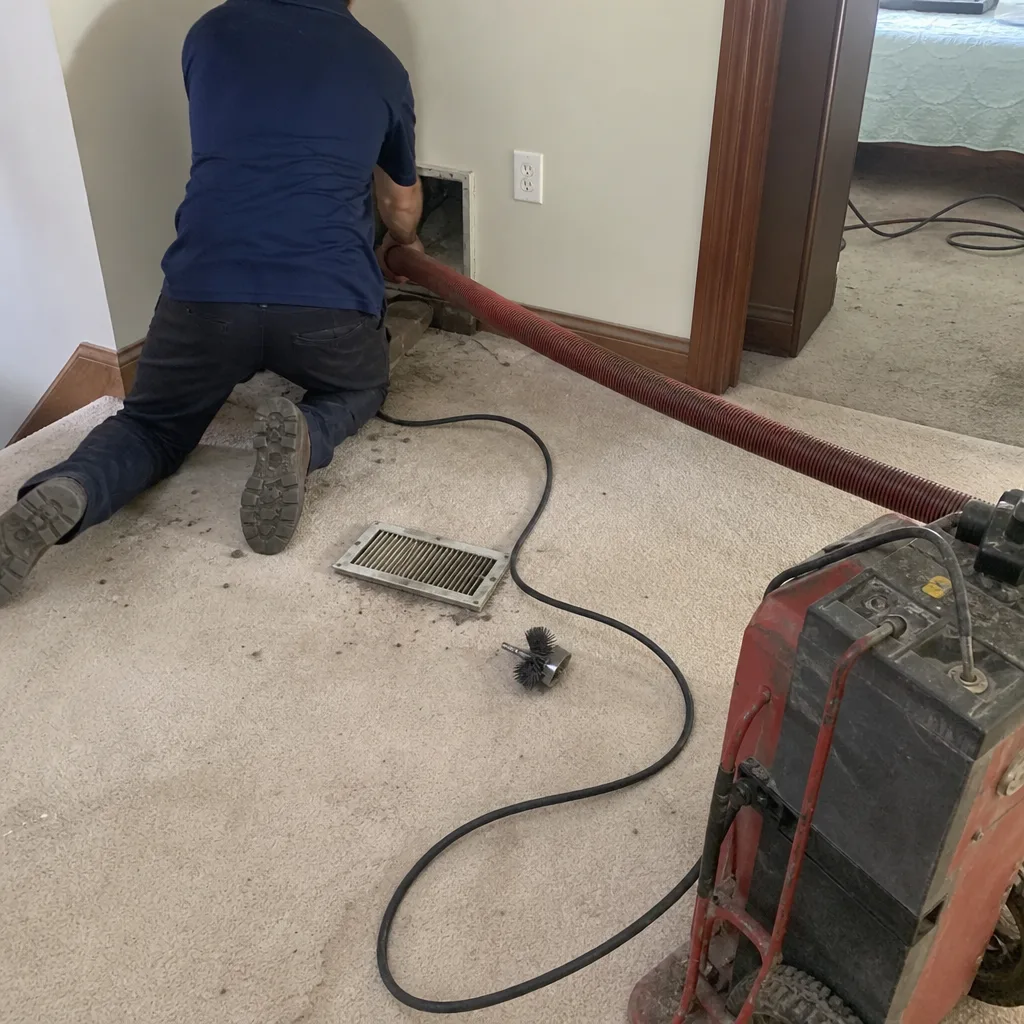 Before
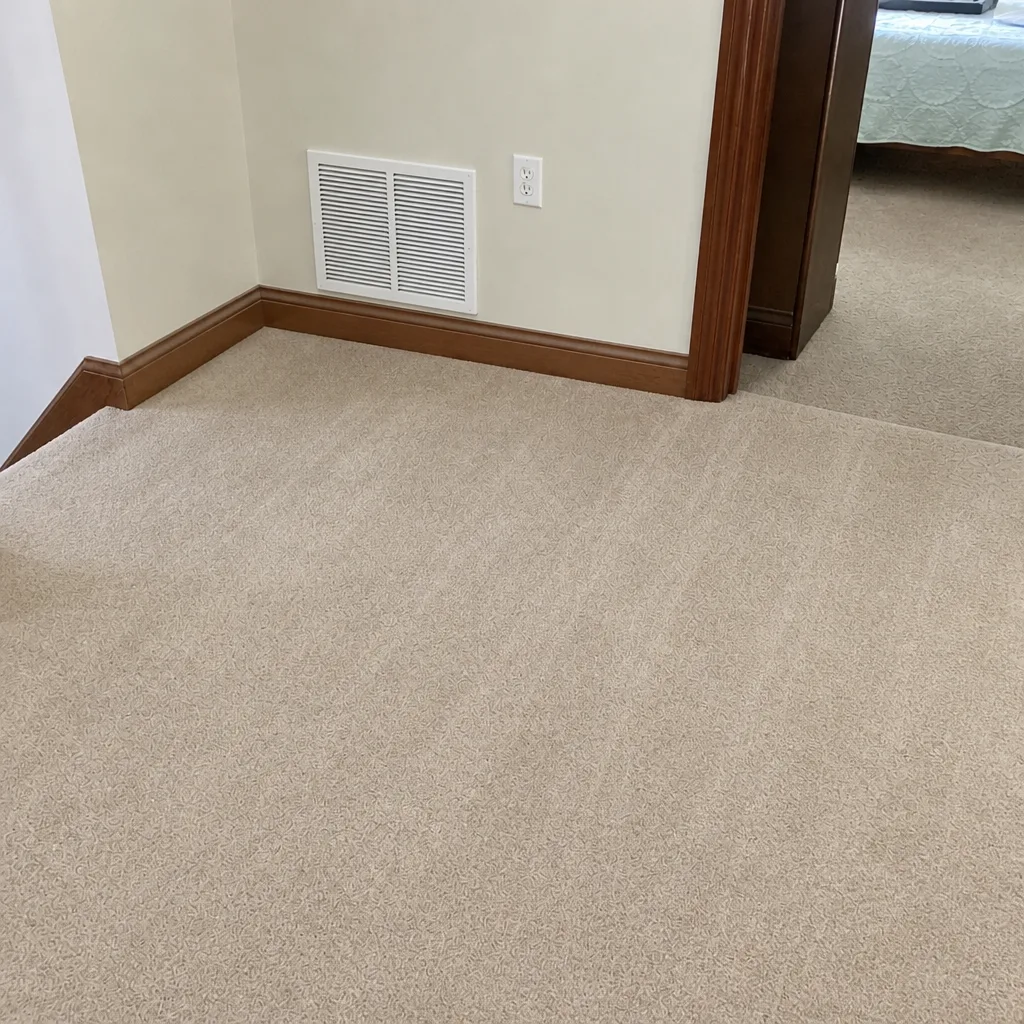 After
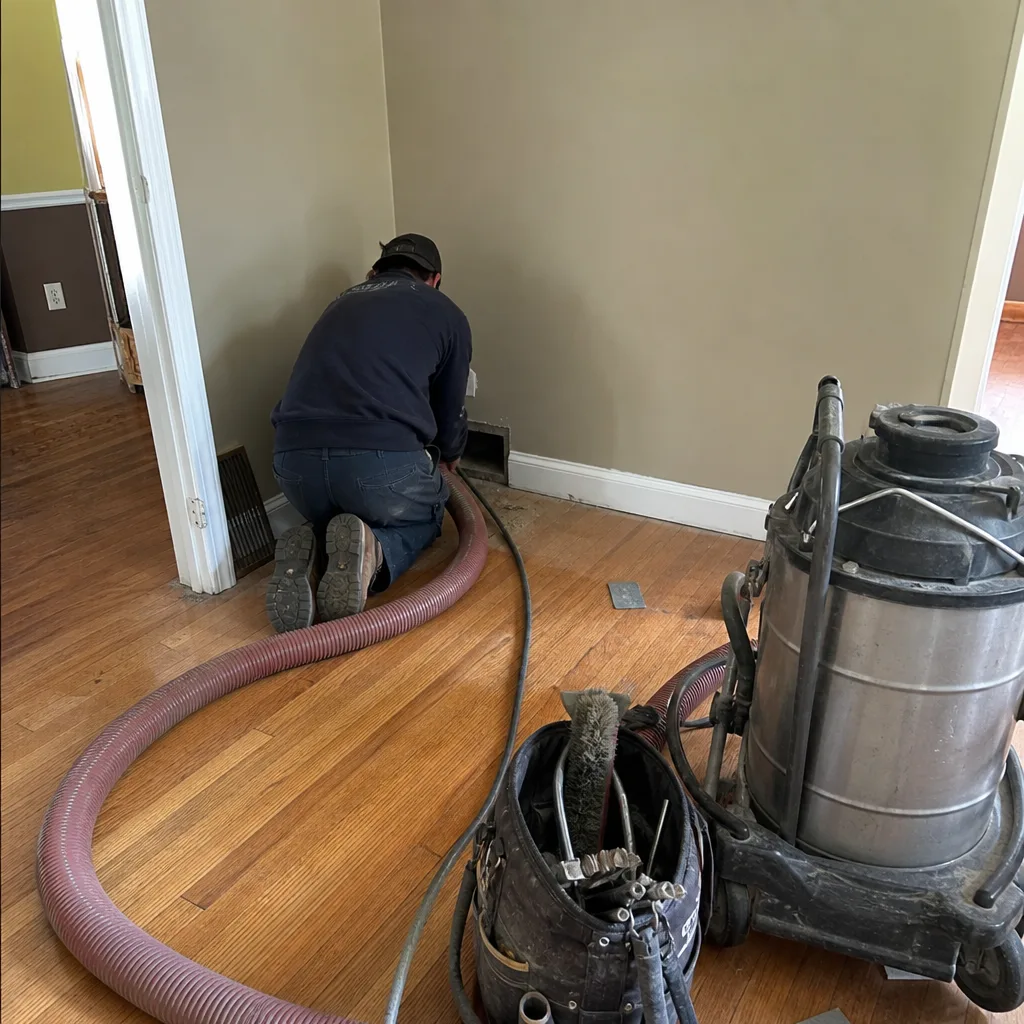 Before
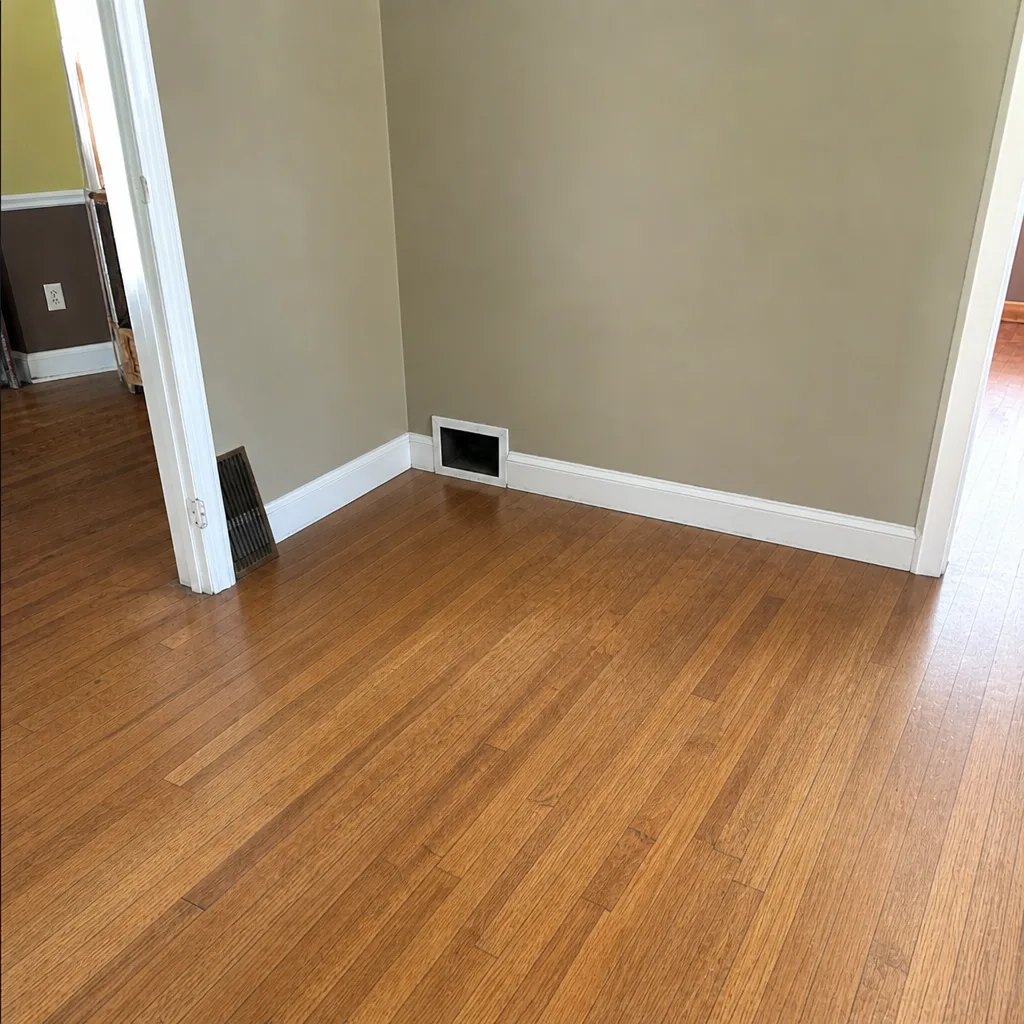 After
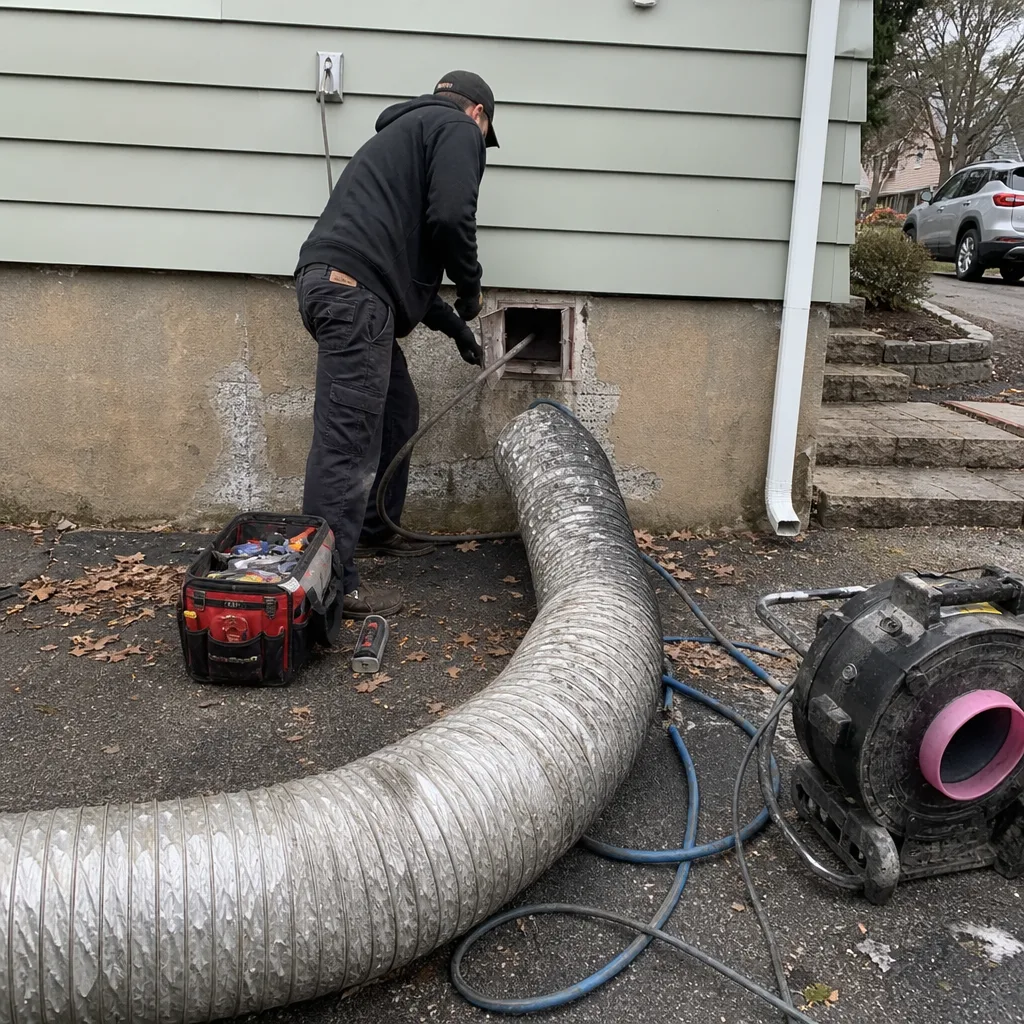 Before
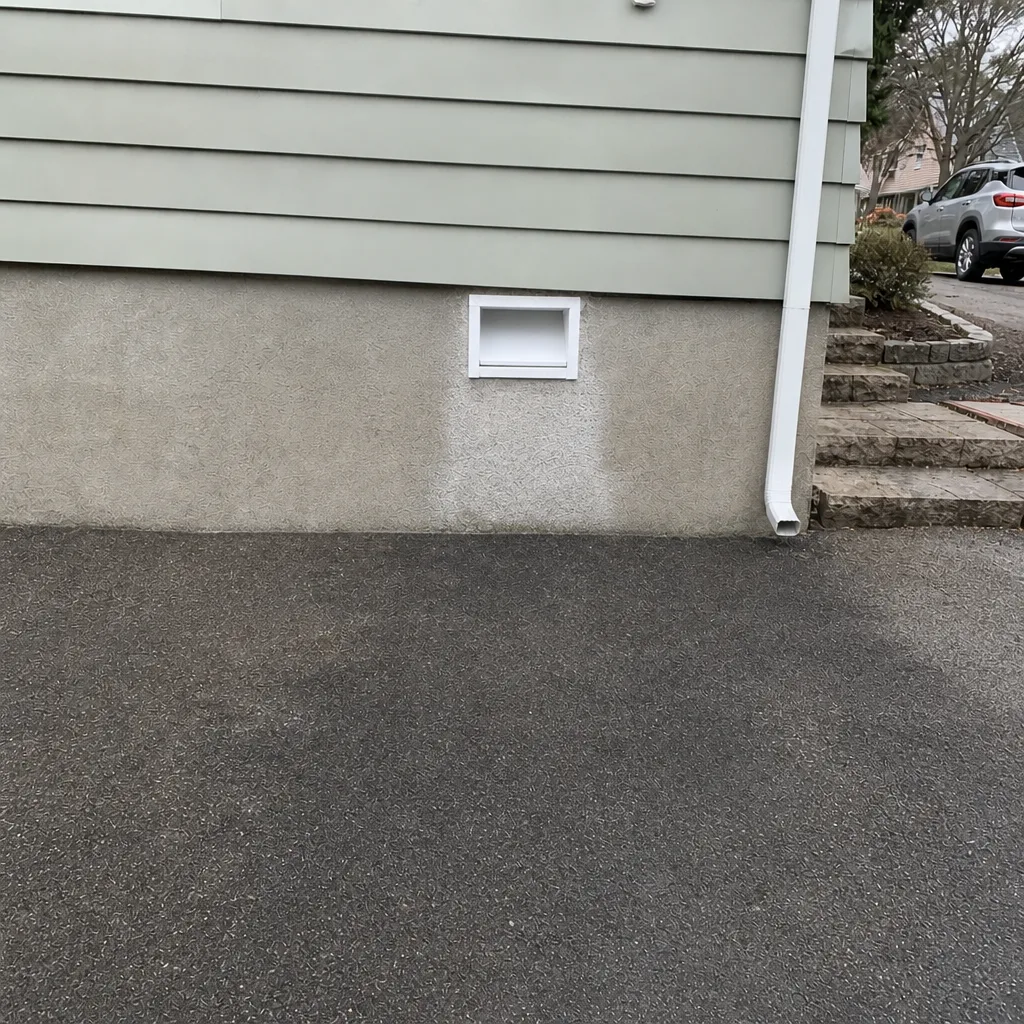 After
When to Call a Professional
Call for a professional visit when any of these scenarios applies. You see visible matting, fur, or black deposits on a return grille. Airflow has weakened in more than one room. Someone in the home is dealing with asthma or allergies and the interval has run past 18 months. You’ve finished a renovation that involved drywall work. You’ve replaced HVAC equipment. You’ve had basement water, pest activity, or new roof work. You can’t remember the last cleaning and no log exists. Duct Cleaning Lynn offers free estimates in Lynn. Call (888) 392-6109. We answer 24/7. Fast dispatch from 7am to 7pm, Sunday through Friday. Our technicians have up to 13 years of experience, and every visit is quoted as one flat price for the whole system agreed before work starts, with before-and-after photos of your own ducts.
Frequently Asked Questions
Most Lynn homes are well served by professional duct cleaning every 3 to 5 years, but that range shifts with your conditions. Homes with heavy-shedding pets, allergy or asthma occupants, recent renovations, low-MERV filters, or humid basement return air should be evaluated every 12 to 24 months. The filter you pull at 30 days is a better predictor than the calendar. Call (888) 392-6109 for an exact quote – estimates are free.
Because pricing depends on system size, access, and how many branch runs and returns are involved, cost is set per job by a written estimate rather than a per-vent rate. We quote one flat price for the whole system before work starts, so there’s no surprise once the technician is on site. Call (888) 392-6109 for an exact quote – estimates are free.
The cheapest quotes usually clean only the visible trunk lines or price per vent, and they rarely include containment, HEPA vacuuming, or before-and-after photos. The bait-and-switch pattern is a low teaser number that grows once the technician sees the crawl space or the attic runs. We quote one flat price per system, and we use the same professional equipment specified in cleaning standards: Rotobrush rotary brush systems, Nikro HEPA vacuums, and Abatement Technologies filtration units on every job.
Ask for before-and-after photos of your own ducts before the company leaves. We provide them on every visit, and a technician should be able to point to specific trunk runs and returns that were cleaned. Pair the photos with a written scope in your maintenance log. If a company can’t photograph the ducts, they likely didn’t inspect them either.
A good filter slows the load but doesn’t eliminate it. Particulate that bypasses a poor filter seat, settles during system-off periods, or arrives through a leaky return all accumulate in the ducts regardless of the filter. Filters and cleaning work together, not against each other. Upgrade the filter, run the schedule, and let the filter inspection cadence tell you when the ducts are next due.
We can seal, patch, and restore compromised duct runs on the same visit as cleaning. Crushed flex, disconnected joints, and leaks at the register boots are common in Lynn’s older homes, and handling them at the same time means the system comes back together correctly and no second trip is needed. Call (888) 392-6109 for a free estimate.
The Bottom Line
The “every 3 to 5 years” rule is a starting point, not a standard. Build your schedule around the five variables that compress your interval – pets, allergy occupants, renovations, filter rating, and basement humidity – and use filter appearance at 30 days as your leading indicator. Time professional cleaning to the heating and cooling switchover, reset the clock after floods, pests, roof work, or equipment replacement, and keep a one-page log that stays with the system. Dryer vent cleaning runs on its own shorter schedule and shouldn’t wait. Professional equipment and whole-system quotes are what make the schedule work; call (888) 392-6109 for a free estimate. We answer 24/7. Fast dispatch from 7am to 7pm, Sunday through Friday.
Written by the team at Duct Cleaning Lynn.