
Last updated November 15, 2026
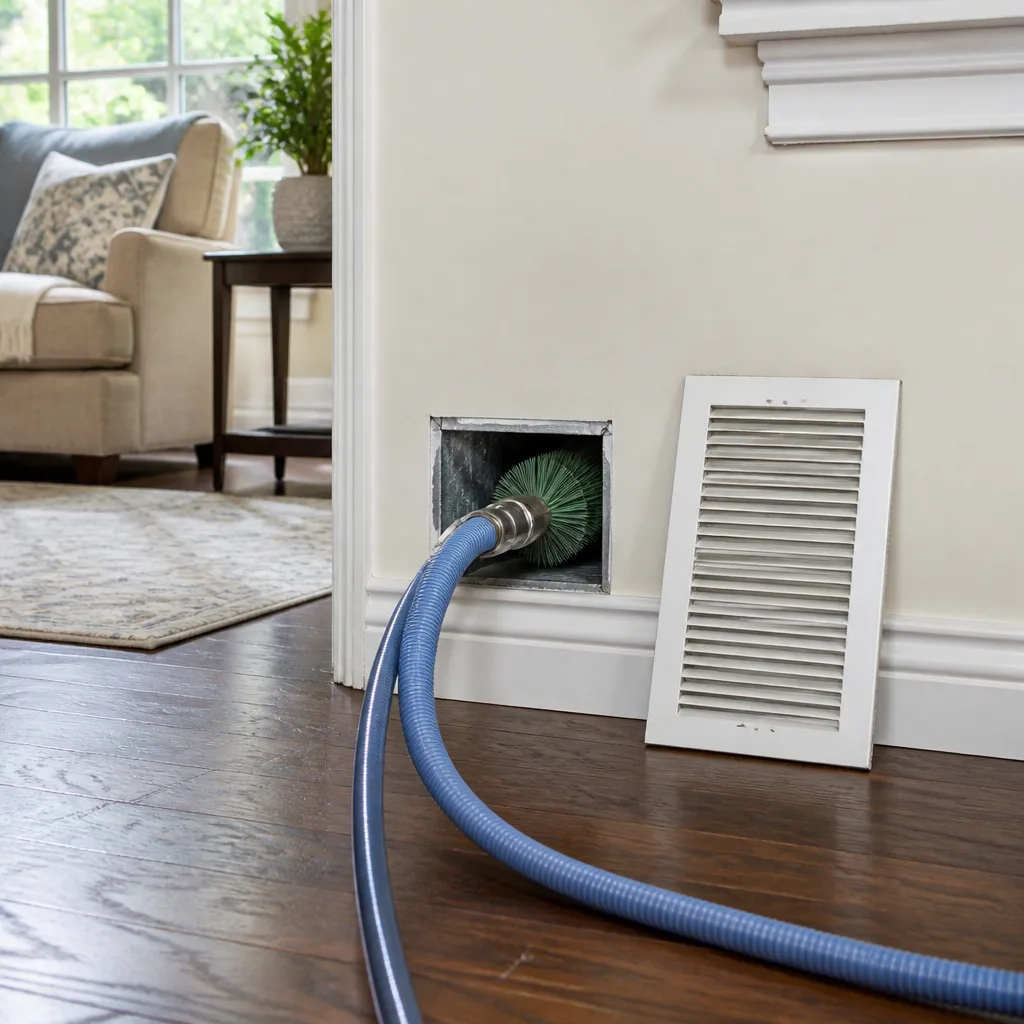 Whole-home duct cleaning
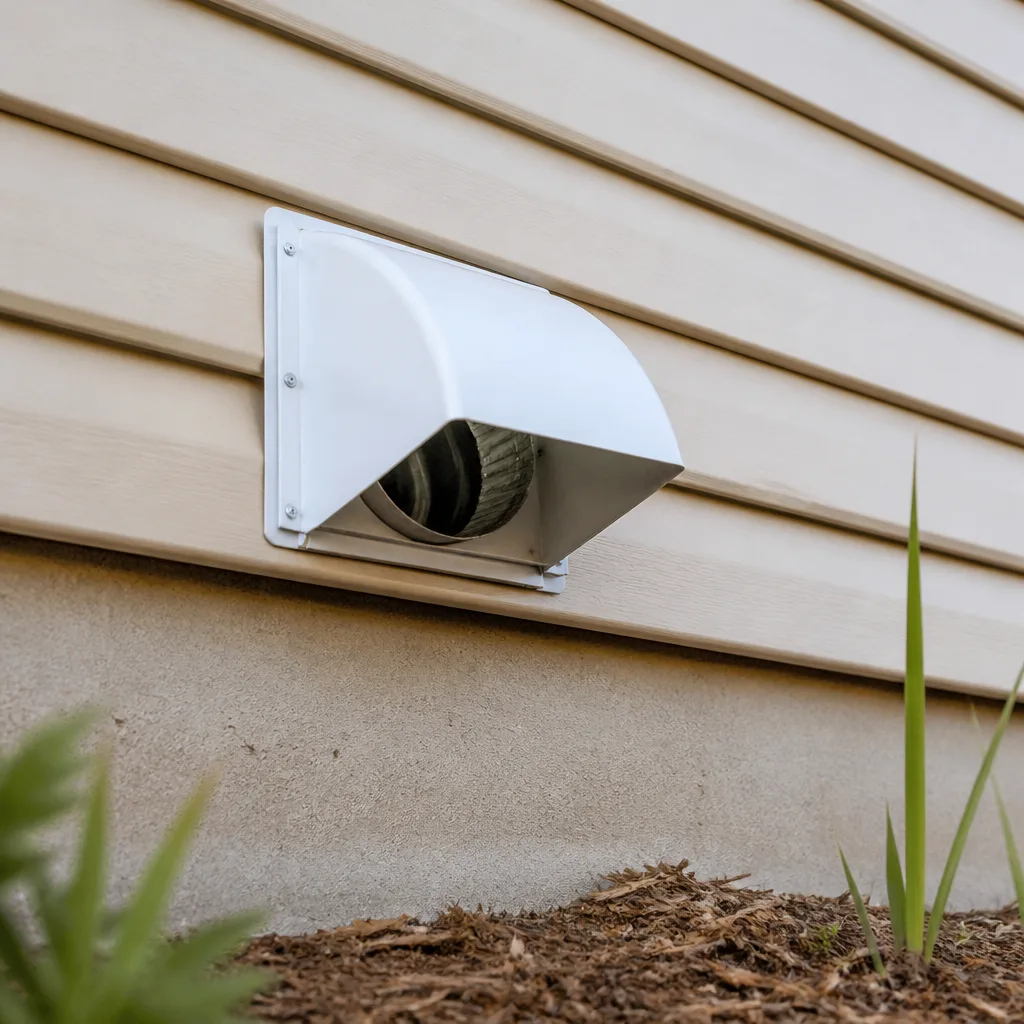 Dryer vent cleaning
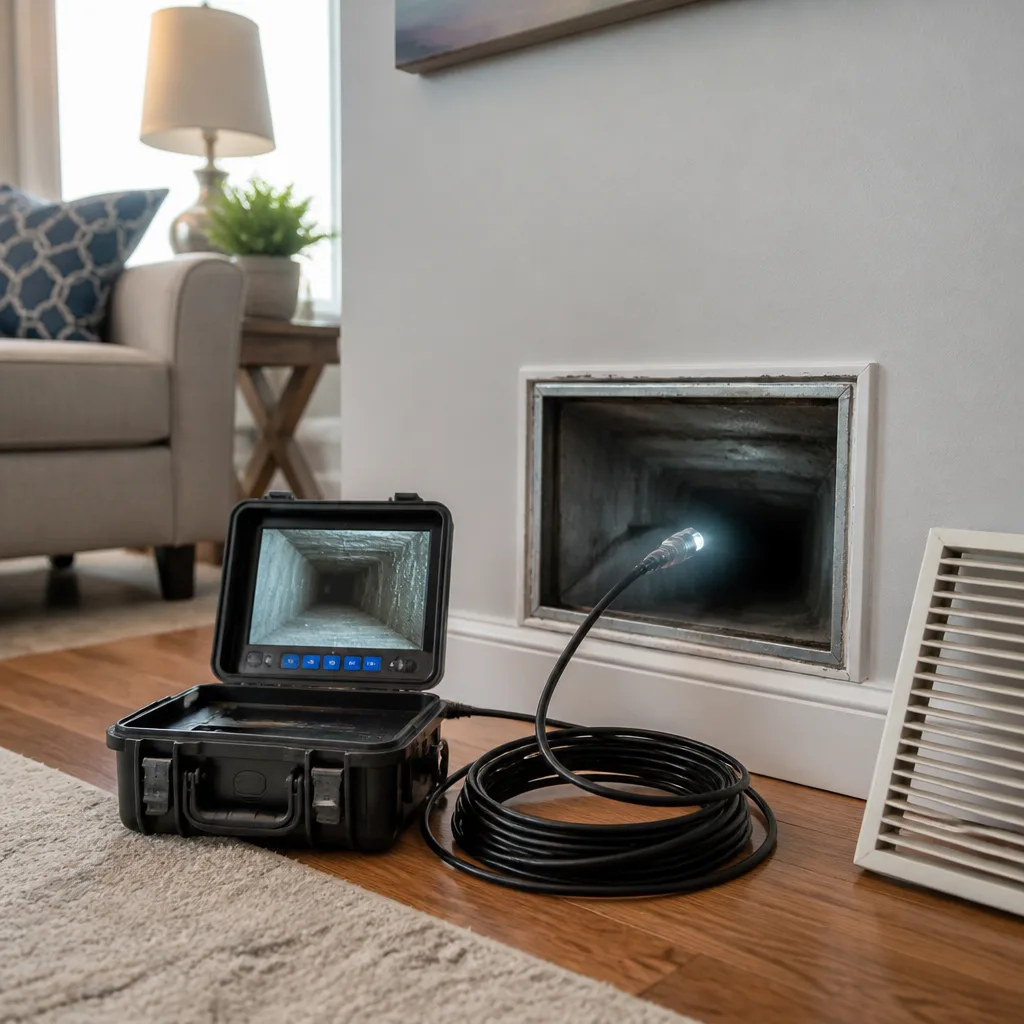 Camera inspection
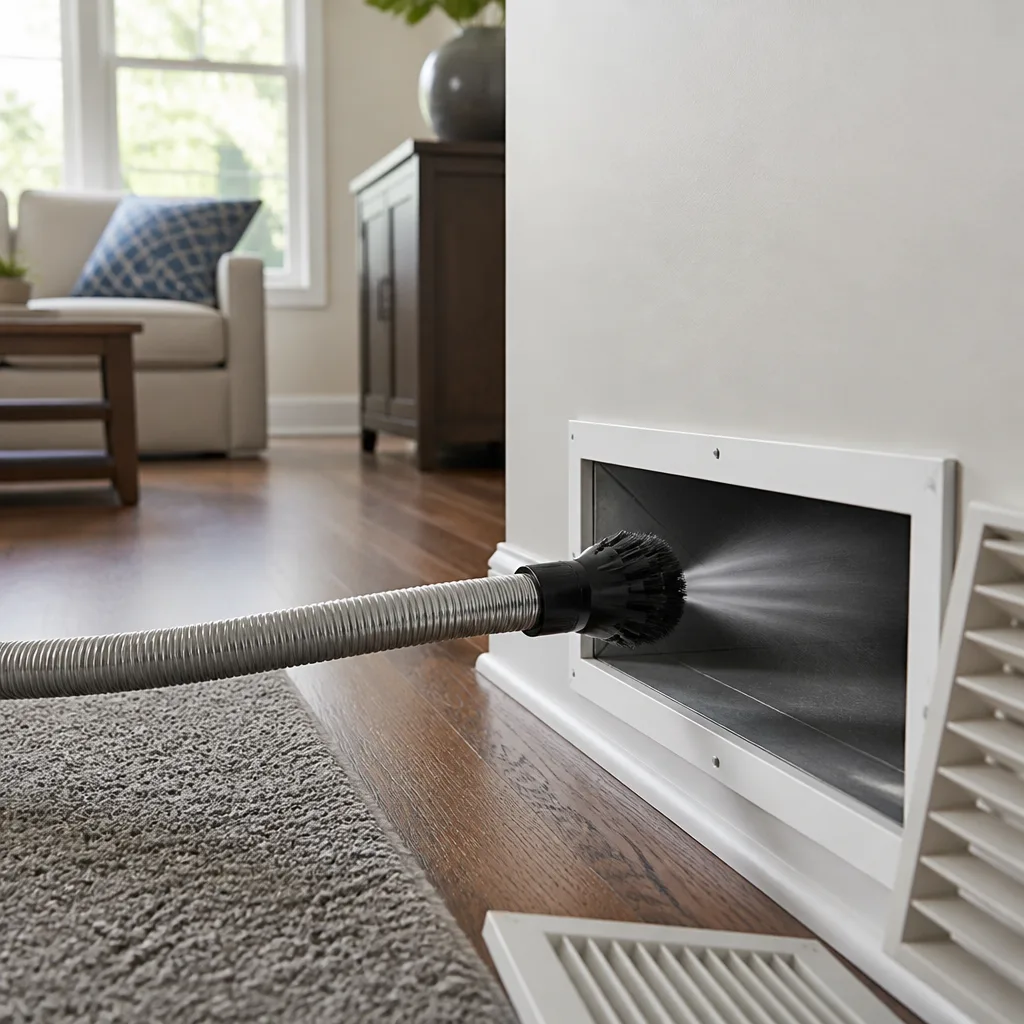 Sanitizing & deodorizing
Whole-system duct and dryer vent check with before-and-after photos - you see exactly what came out of your vents
That "$99 whole-house special" is a bait ad - the real number appears once they are in your hallway, or the "clean" is a shop-vac at the register. We photograph the inside of your ducts before and after instead.
Air Duct Cleaning Troubleshooting in Lynn: Common Problems and How to Fix Them
If one room in your house is always too hot or too cold, the instinct is to blame the furnace or the AC unit. Here’s the part most homeowners get wrong: in a majority of cases, the real culprit is a blockage, a collapsed flex duct section, or a debris dam sitting somewhere in the branch line feeding that room – not an expensive equipment failure. Your duct system is already broadcasting clues about what’s wrong, but the symptoms (one cold room, one dusty register, a faint musty smell) get read as separate annoyances instead of pieces of one story. This guide teaches you to read that story systematically, in a Lynn context, before you spend a dollar on anything.
Quick Answer
Most duct complaints in Lynn come down to one of five things: debris buildup blocking a branch line, a duct integrity problem like a disconnected joint or crushed flex run, a clogged filter or blower starving airflow, an undersized or poorly balanced return, or a dirty dryer vent. The test is whether the problem is localized to one register or spread across the whole system. If it’s one room, you’re looking for a blockage or damaged run feeding it. If it’s the whole house, start with filter, blower, and return-side pressure before assuming the ducts are dirty.
Styles & brands we work with
- Whole-home duct cleaning
- Dryer vent cleaning
- Camera inspection
- Sanitizing & deodorizing
Table of Contents
- How to Map Your Symptom to the Right Duct Zone
- Cleaning Problem vs. Duct Integrity Problem
- Why Lynn’s Older Housing Stock Traps Debris in Predictable Places
- Register Airflow and Return-Side Pressure as DIY Diagnostic Tools
- What a Camera Inspection Reveals
- The Dryer Vent: A Separate System With Its Own Problems
- When a Duct Needs Repair Instead of Just Cleaning
How to Map Your Symptom to the Right Duct Zone
The single most useful troubleshooting skill is matching a specific complaint to a specific part of the system. Ducts are tree-shaped: a trunk runs off the air handler, and branch lines split off from that trunk to feed individual rooms. When something goes wrong, it’s almost always in one branch or one section of trunk – not the entire ductwork.
Start by writing down what you actually notice. Not “the air feels weak,” but which rooms, which registers, and when. You’ll be surprised how often the pattern points straight to the responsible zone.
- One room always too hot or too cold: usually a debris dam or collapsed section in the branch line feeding that room, or a damper that’s been left part-closed.
- One dusty register while others are clean: often a disconnected joint just upstream of that register – dust is blowing past the joint instead of into the room’s airstream.
- Every register weak, whole house seems under-ventilated: filter, blower, or a blocked trunk run, not individual branches.
- Musty smell strongest in one area: that’s where moisture and debris are interacting – check for a cold-blast run or an unsealed return near a basement or crawlspace.
- Dust settling right after a cleaning: usually a sign that debris was disturbed upstream without proper containment and the system couldn’t clear it.
The habit to build here is narrowing before solving. Once you know the problem lives in a branch line, you’ve eliminated half the possible causes automatically. That’s the same logic our technicians use the moment they open a register. When you’re ready to go deeper on the systems side, our Duct Cleaning Lynn page covers the fundamentals of what we look at.
Cleaning Problem vs. Duct Integrity Problem
This distinction saves Lynn homeowners the most money and the most frustration, because it’s the one most people skip. A cleaning problem and a duct integrity problem can produce nearly identical symptoms, but cleaning a compromised duct system doesn’t solve the complaint – and can actually make it worse by kicking loose debris out through a hole. Here’s how to tell them apart.
Cleaning-only signals
- Dust is visible at the register face and behind the grille.
- Airflow is present but weaker than at other registers in the house.
- No smell, no moisture, and the complaint is about dust and airflow, not temperature.
- The register is in a closet or a finished room heated and cooled the same way as the rest of the house.
Duct integrity signals
- The register delivers noticeably cooler or warmer air than other registers – a joint that’s come apart is pulling attic or exterior air into the run.
- You can feel air leaking where the duct meets the floor or wall boot.
- Dust is settling heavily in one room no matter how often you clean, because that room is now the path of least resistance.
- There’s a musty note in the air that a filter change doesn’t clear.
Disconnected joints, crushed flex runs, and punctured rigid duct are the most common integrity failures, and no amount of rotary brushing will fix them. This is exactly why a cleaning-only contractor is a limited tool. Our air duct cleaning work starts with a look at the duct itself, not just its contents, so we can tell you which category your problem falls into before any equipment goes into the system.
Why Lynn’s Older Housing Stock Traps Debris in Predictable Places
Lynn’s housing isn’t just a backdrop – it actively shapes where duct problems show up. The city is dense with older housing: colonial-era structures, multi-story homes, and the regionally common triple-decker. Each of those builds a different duct configuration, and each configuration tends to trap debris in a specific spot.
Triple-deckers, the stacked three-story buildings characteristic of Lynn and nearby cities, typically channel trunk ductwork vertically through the building, with branches serving each floor. Debris that enters a vertical trunk loses momentum where the run turns horizontal into a branch, building a pile-up at the elbow. Those elbows are where airflow complaints cluster in triple-decker units – especially on upper floors, where gravity has already been working against the flow.
Older colonials often have shorter, wider trunk runs with long horizontal branches in the basement or crawlspace. Flex duct retrofitted over the years is common here, and flex is the most sagging, kinking, and crushing-prone material in the trade. If the layout is original, expect tight transitions from the trunk into the branch; if it’s been retrofitted, expect at least one run where the flex dips or pinches.
New England seasons matter too. Lynn gets real winters and warm, humid summers, so the system’s humidity changes over the year are substantial. That means dust, fibers, and moisture interact differently at different times of year, and a run that felt fine in October can feel sluggish by February. In practical terms: if your complaints cluster around a change of season, suspect a duct zone that’s borderline on airflow, not a furnace that’s suddenly broken.
You can see the broader picture of how this plays out locally on our Lynn page. The short version: old housing stock plus seasonal swing equals predictable trouble spots, and predictability is good news for diagnosis.
Register Airflow and Return-Side Pressure as DIY Diagnostic Tools
You don’t need any tools to do useful troubleshooting. Two things – the back of your hand at each register, and a simple tissue test at the return grille – will tell you a surprising amount before you call anyone.
How to test supply registers
- Turn the system on and let it run for at least ten minutes so the fan is at steady speed.
- Stand at each register in turn and cup your hand in front of it. Note whether the flow feels strong, weak, or absent.
- Tear a thin strip of tissue and hold it near each register face. A healthy supply will hold the strip out at a noticeable angle; a weak one will barely flutter it.
- Compare every room side by side and write the results down. The outlier is your problem zone.
Testing the return side
The return grille is where air comes back to the system, and a blocked or undersized return is a common cause of whole-house weakness. Hold the tissue test at the return grille too. If it’s harder to hold it up here than at the supplies, or if the flow at the return feels weak everywhere, you’re looking at a system-wide pressure problem, not a branch. Return-side static pressure – the resistance to airflow on the return side – is what technicians measure with a gauge, but you get a rough read just by checking whether the filter is badly clogged, whether the return grille is blocked by furniture or a rug, and whether the return duct is collapsed or pinched.
Two more field tests worth doing:
- Replace the air filter and re-test. If everything improves, the filter was the bottleneck and you don’t have a duct problem at all.
- Do the same register test with the door closed to a room. If airflow at that room’s supply collapses when the door is closed, the room is probably undercut (no return path) and you need a jump duct or door undercut – not a cleaning.
These tests take fifteen minutes and cost nothing. The information they give you is what a technician would start gathering anyway, and it’s the difference between a vague phone call and a useful one. Fast dispatch from 7am to 7pm is available if the answers surprise you, but do the tests first.
What a Camera Inspection Reveals
Everything above is what you can learn from the outside of the system. A camera inspection is what you learn from the inside – and some problems simply don’t show up otherwise.
Push a small camera down a supply register and you’ll see the actual condition of the run, not the shadow of it. What camera footage typically reveals:
- Debris dams at elbows and transitions: soft piles of dust and fiber that look small on paper but choke the branch they sit in.
- Disconnected or slipped joints: the flexible duct has pulled off the collar, or the tape has failed, and the duct is now leaking into a wall cavity or a crawlspace.
- Crushed or kinked flex runs: the still-hidden mechanical failure behind many “no airflow” complaints, often caused by objects stored on or beside the duct in a crawlspace or attic.
- Moisture and biological growth: visible in areas where a cold-blast duct runs through a warm, humid space. This is a signal to check the whole system, not just clean it.
- Rodent debris and nesting material: shows up in runs that penetrate exterior walls or crawlspaces. Cleaning matters, but so does sealing the breach that allowed the entry in the first place.
When a camera inspection is non-negotiable: before any cleaning where the complaint is localized to one room, before any repair involving a suspected joint failure, and before assuming a system is clean just because it’s been cleaned. The camera is what turns a guess into information. It’s also why professional equipment matters here. Our technicians use Nikro HEPA vacuum rigs and Rotobrush rotary brush systems, and the inspection capability people tend to overlook is how much a proper setup reveals about duct integrity, not just duct contents. Our technicians have up to 13 years of experience reading these systems.
The Dryer Vent: A Separate System With Its Own Problems
The dryer vent isn’t part of your HVAC system, but it’s part of the ductwork in your home, and its problems are more serious than the HVAC side. A clogged dryer vent doesn’t just make drying slow – it’s a recognized fire-safety concern, because lint is highly combustible and heat builds up when airflow is restricted. In a Lynn triple-decker, a blocked vent on an upper floor has a longer, steeper run to the exterior, which means lint settles faster and poses more of a risk. That’s a strong reason to treat dryer vent cleaning as a safety service rather than a cosmetic one.
Signs your dryer vent is the problem, not the dryer
- Clothes take two or more cycles to dry when the dryer feels hot to the touch.
- The exterior vent flap doesn’t open strongly, or lint is visibly collecting around it.
- The top of the dryer is hot after a load – a sign the exhaust isn’t moving heat out.
- There’s a faint burning or scorched smell in the laundry area.
Some of this you can check yourself: the exterior flap test is safe and quick. What you should not do is disconnect a gas dryer or reach blindly into a vent without knowing the run. Our dryer vent cleaning service exists precisely because it’s a task that gets skipped, and skipping it is where the risk actually lives. Guardsman-brand products in our toolkit support the finishing side of the job – sanitizing and protective finishing after clearing.
When a Duct Needs Repair Instead of Just Cleaning
You’ve narrowed the problem to a branch line. You know the register feeds that room. Cleaning it won’t fix it if the run itself is broken. Here’s the decision logic:
- Run a camera down the branch. If the run is intact and the only issue is debris, cleaning solves it.
- If you see a disconnection, kink, or crushed section: that’s a repair – sealing, reconnecting, or replacing the affected section.
- If the repair is in a hard-to-reach place: flexible duct that runs through a wall cavity can usually be patched at the accessible point, but plan on a proper inspection to confirm nothing else is compromised.
- If the whole trunk is degraded: call a specialist who can assess whether cleaning plus repair is viable or whether the trunk itself needs replacement. Don’t guess.
This is where being a focused specialist matters. A generalist who cleans ducts can only tell you that they cleaned them. Our air duct repair capability means we can seal, patch, and restore compromised ductwork in the same visit rather than handing you off to a second contractor who then has to re-inspect everything. If your problem turns out to be integrity, not debris, you’re already talking to the right people. If you’re not sure whether to clean or repair, our air duct cleaning page explains how the two fit together. The bottom line is that cleaning and repair are two halves of the same job, and doing only one is how problems come back.
Common Mistakes to Avoid
- Calling for a cleaning before you’ve diagnosed anything. If the problem is a crushed flex run, cleaning just moves debris around inside a still-broken system. Narrow it down first, even if all you do is the tissue test.
- Assuming the furnace is the problem because one room is cold. In older Lynn housing, a branch line blockage or a disconnected joint explains most single-room complaints, and it’s far cheaper to find than a furnace failure.
- Judging a duct cleaner by a coupon price. Shop-vac-and-brush operations quote low and bill high once they’re inside. Ask what equipment they use and whether they offer a flat price per system agreed in writing beforehand.
- Skipping the dryer vent because it “still works.” The system working slowly is exactly the state you don’t want to stay in. It’s a fire-safety service, not a comfort upgrade.
- Trusting a visual check at the register face. You cannot see a collapsed run, a slipped joint, or a hidden debris dam from outside. A camera is the difference between a guess and a diagnosis.
- Ignoring the return side. Homeowners test supply registers and skip the return. A blocked return starves the whole system, and no amount of supply-side cleaning fixes it.
- Letting a contractor clean without containment. If dust gets blown into your living space during a cleaning, the job wasn’t set up right. Abatement Technologies air filtration equipment exists for exactly this reason – we use containment and negative pressure on every job so your home stays liveable while we work.
See the difference
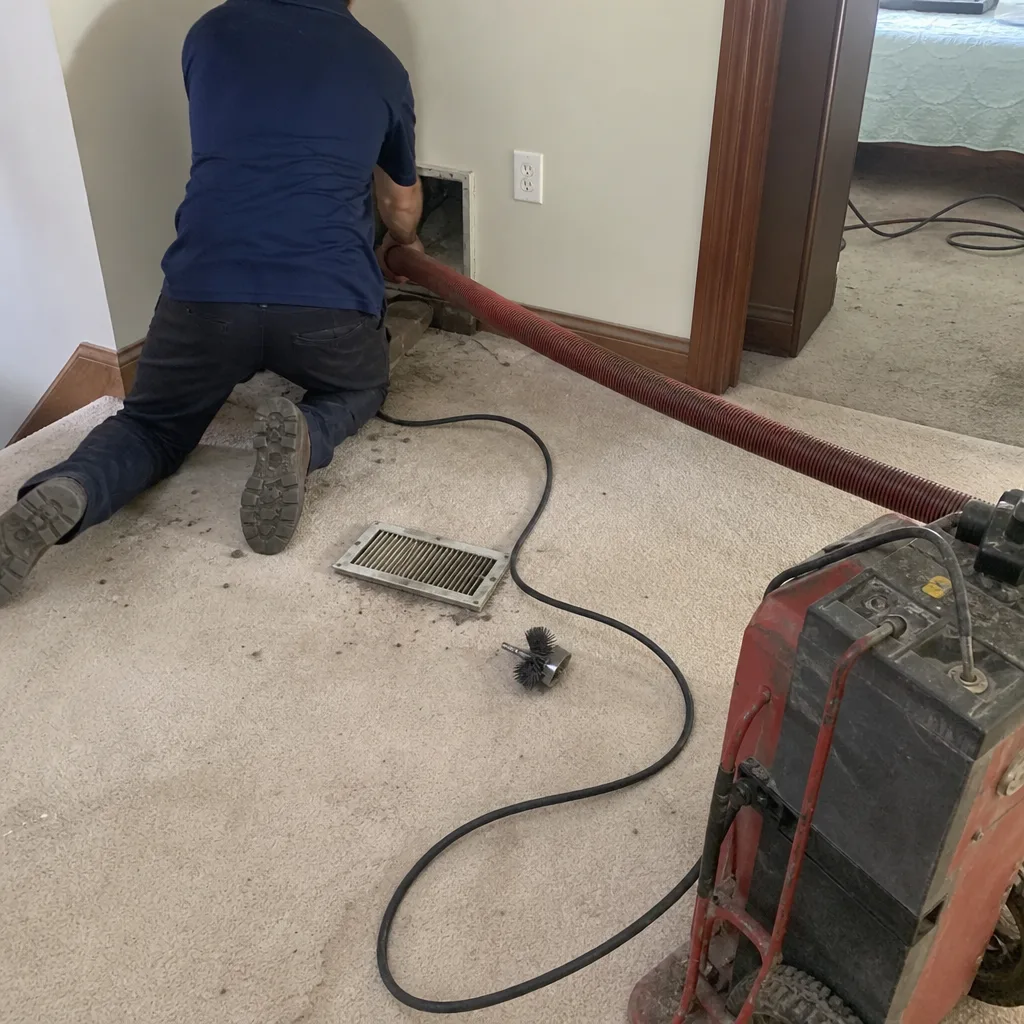 Before
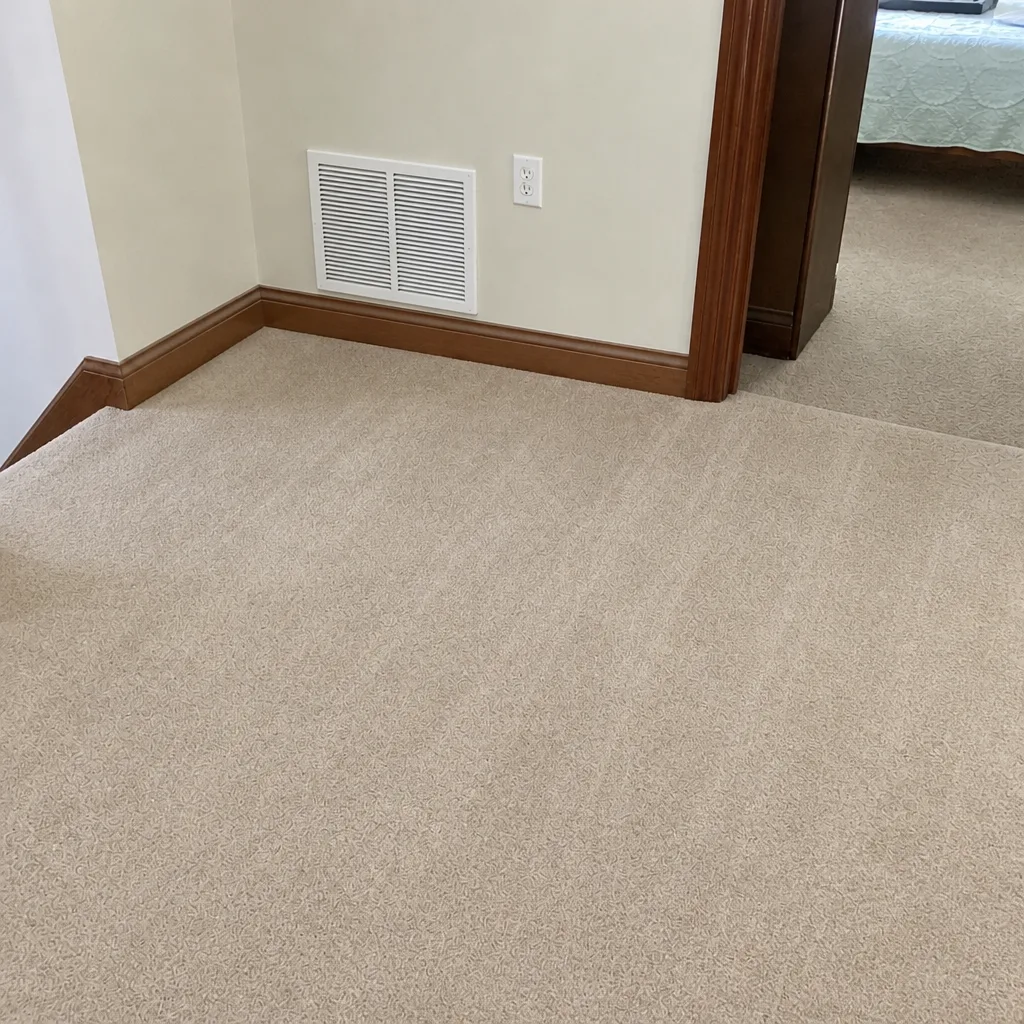 After
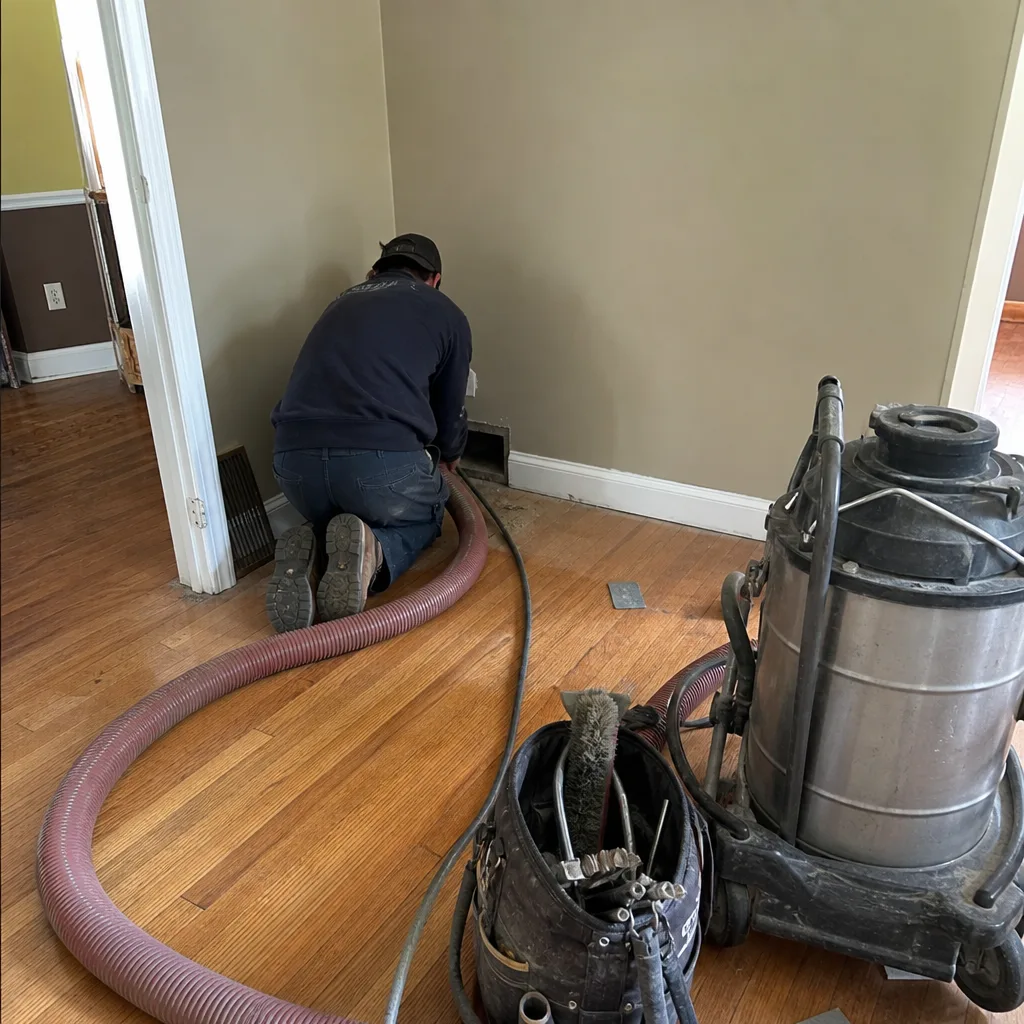 Before
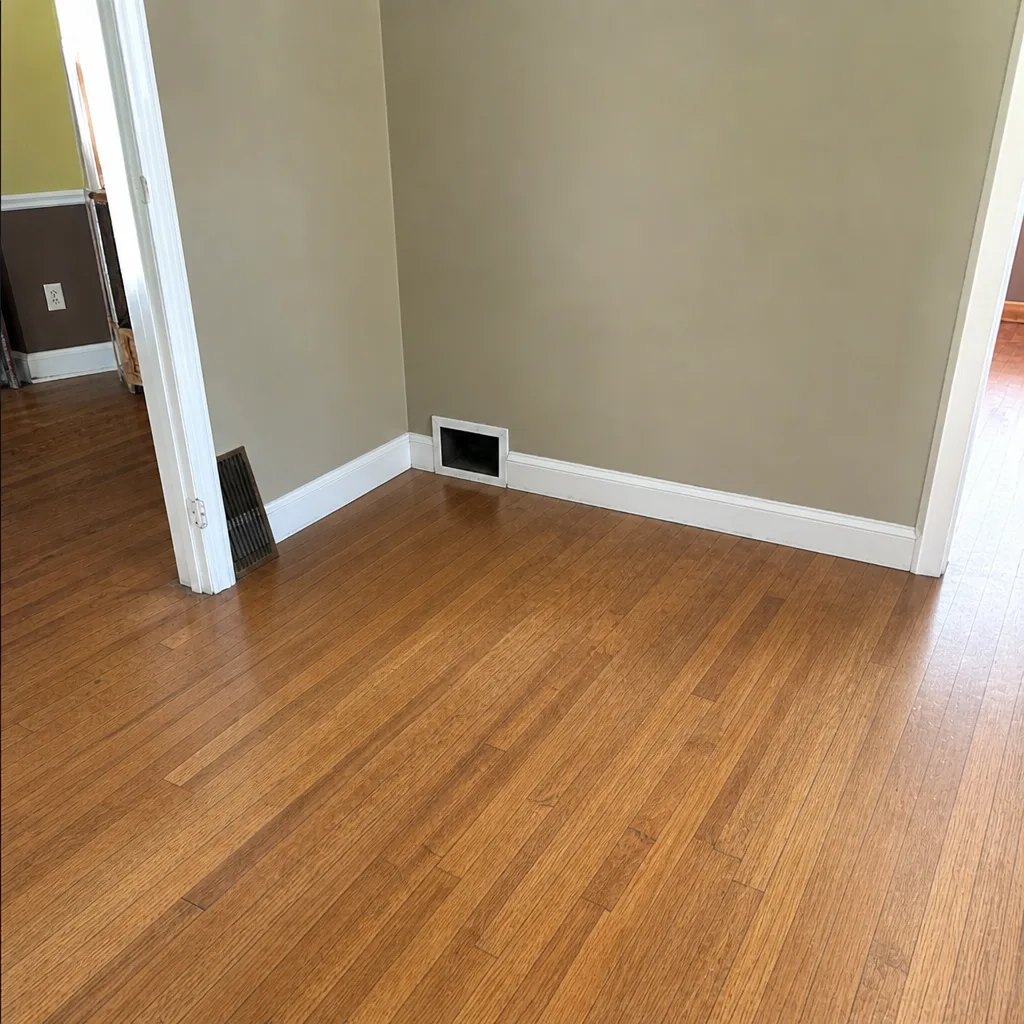 After
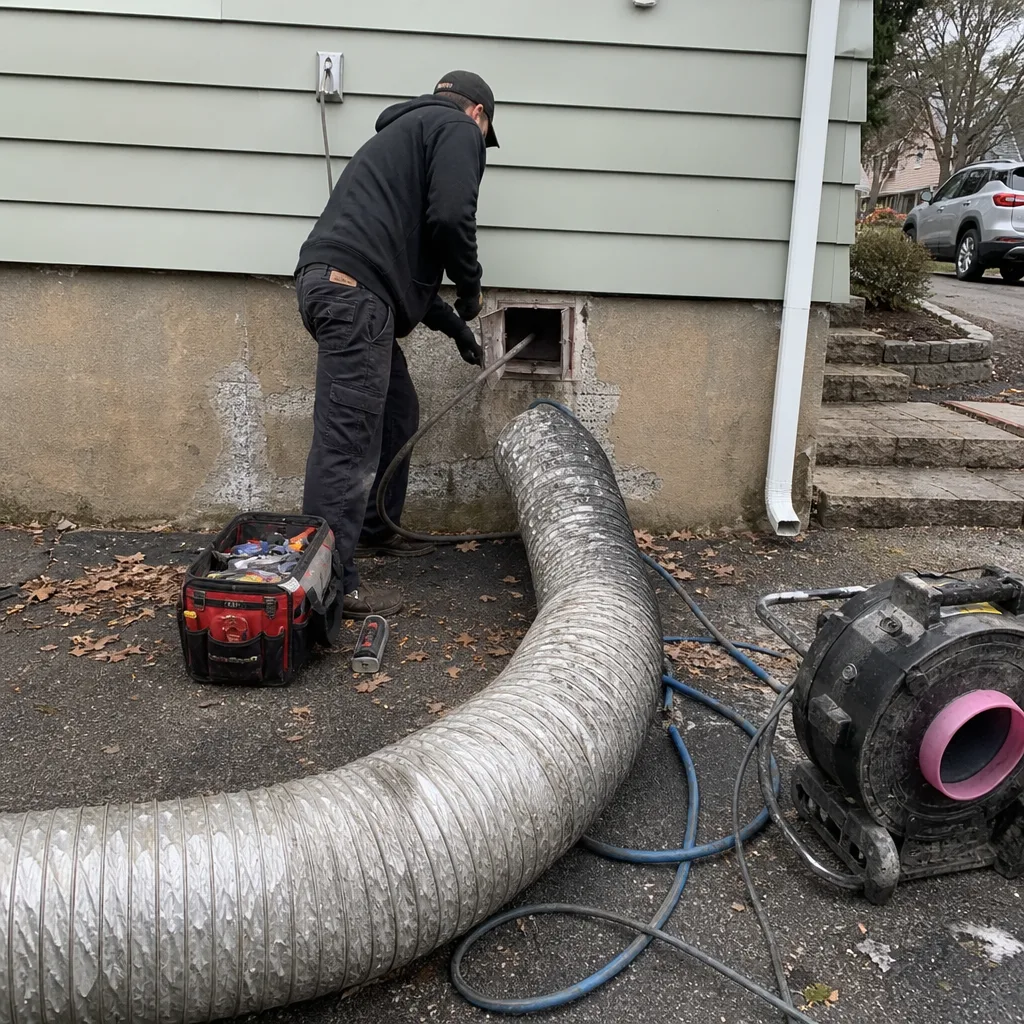 Before
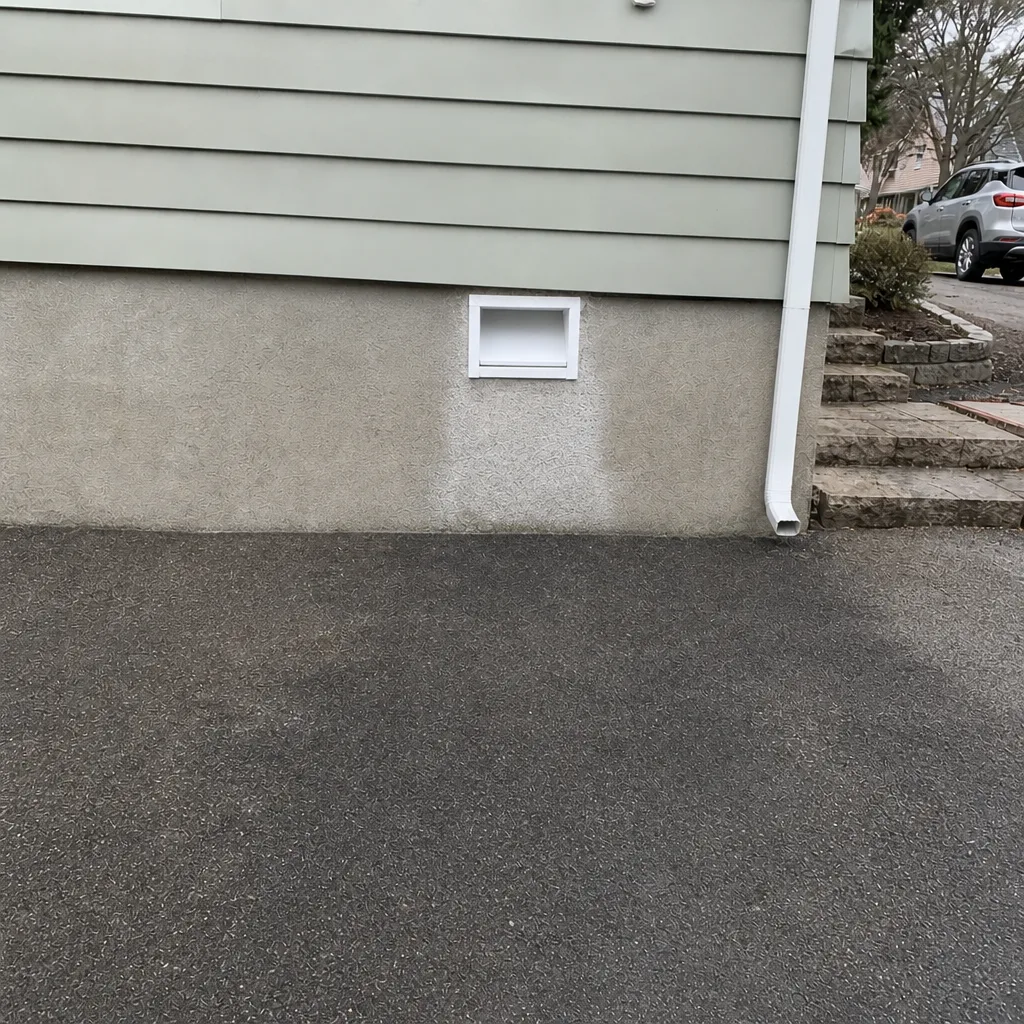 After
When to Call a Professional
Some of this you can handle yourself, and you should. Filter changes, the tissue test at each register, the return-side check, and the exterior dryer vent flap inspection are all safe DIY diagnostics. What you should not handle yourself: opening up ductwork to repair a joint, reaching into a dryer vent run, or guessing at a duct integrity problem by feel. If you’ve narrowed the symptom to one branch line and a camera would tell you the answer in ten minutes, that’s the point to call. Duct Cleaning Lynn offers free estimates in Lynn – call (888) 392-6109. We answer 24/7. Fast dispatch from 7am to 7pm, Sunday through Friday. The written estimate sets the final price, and it’s set before any work starts.
Frequently Asked Questions
In most cases, it’s a blockage or a damaged section in the branch line feeding that room, not a failure of the HVAC unit itself. Start by comparing airflow at that room’s register against nearby registers with the tissue test. If that one register is noticeably weaker, the problem is localized to its branch line and a camera inspection will identify the cause quickly.
For most Lynn homes, a professional cleaning every few years is reasonable, but the right answer depends on your situation. Homes with pets, recent renovations, or a history of moisture in the crawlspace need it more often. If you have a compromised run feeding a single room, the issue is repair, not the cleaning schedule. Call (888) 392-6109 for an exact quote – estimates are free.
We don’t quote per-vent prices because that pricing model is exactly what turns a low advertised number into a much larger invoice once the technician is on site. We charge one flat price per system, agreed in writing before any work starts, so the number you see is the number you pay. Call (888) 392-6109 for a free written estimate based on your specific system.
Cheaper quotes almost always mean different equipment and no containment. A truck-mounted or shop-vac-and-brush operation can’t create negative pressure or contain debris during the work, and it can’t inspect the duct integrity, which is where the actual problems usually are. Ask any contractor what equipment they use and whether they run a camera inspection. The equipment and the inspection are why prices differ.
Ask for before-and-after photos of your own ductwork, taken during the job. That’s a reasonable expectation and a fair way to judge any contractor. We provide before-and-after photos on every job, and the camera footage from the inspection is part of what you’re paying for – not just a brush going into a duct.
Triple-deckers are where duct servicing matters most, because the vertical trunk routing traps debris at elbow transitions, and upper-floor complaints are common. Cleaning helps – but only if the diagnosis addresses both debris and duct integrity. In older Lynn triple-deckers, the upper-floor branches are the ones most likely to have a disconnected joint alongside the debris. Call (888) 392-6109 and ask for a camera inspection as part of the estimate.
The Bottom Line
Most duct problems you notice as an inconvenience (one cold room, one dusty register, a room that never quite feels right) have a specific mechanical cause you can narrow down. Symptom to zone, zone to branch, branch to camera. Skip the narrowing step and you invite a guess; do it and you walk into any conversation with a professional already knowing what you’re asking about. Fix the cause, not just the dust. And remember that three problems – debris, broken ductwork, and dryer vent lint – share symptoms but need different solutions. If you want to skip the narrowing and get a straight answer, call Duct Cleaning Lynn at (888) 392-6109 for a free estimate. We answer 24/7. Fast dispatch from 7am to 7pm, Sunday through Friday.
Written by the team at Duct Cleaning Lynn.