
Last updated November 15, 2026
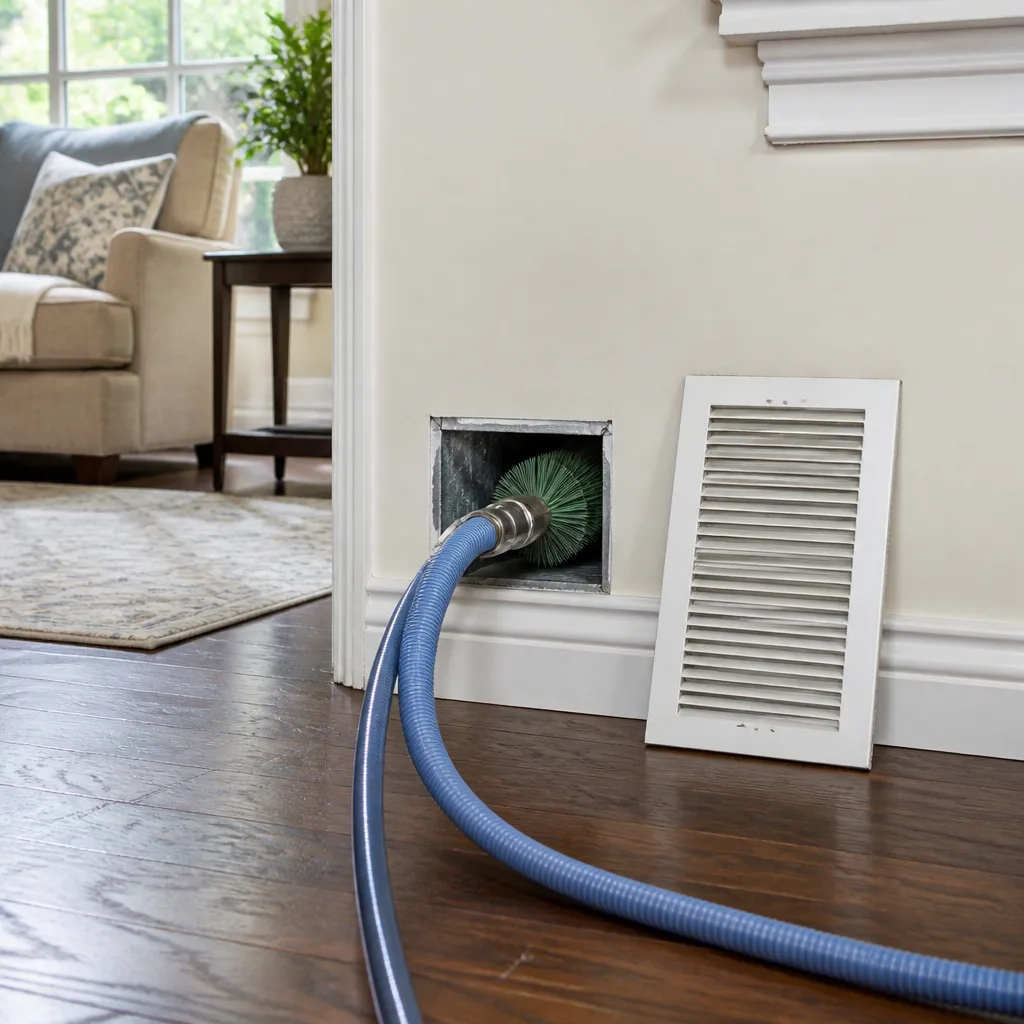 Whole-home duct cleaning
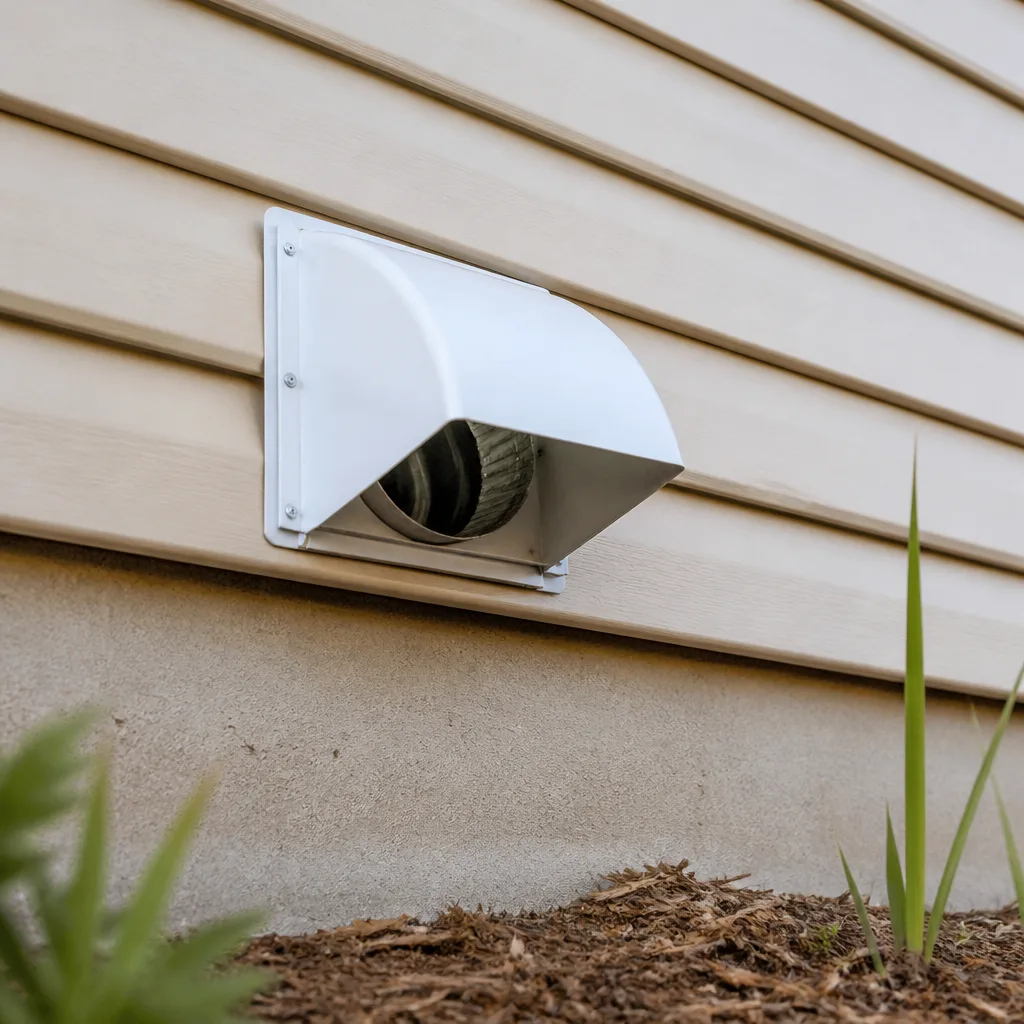 Dryer vent cleaning
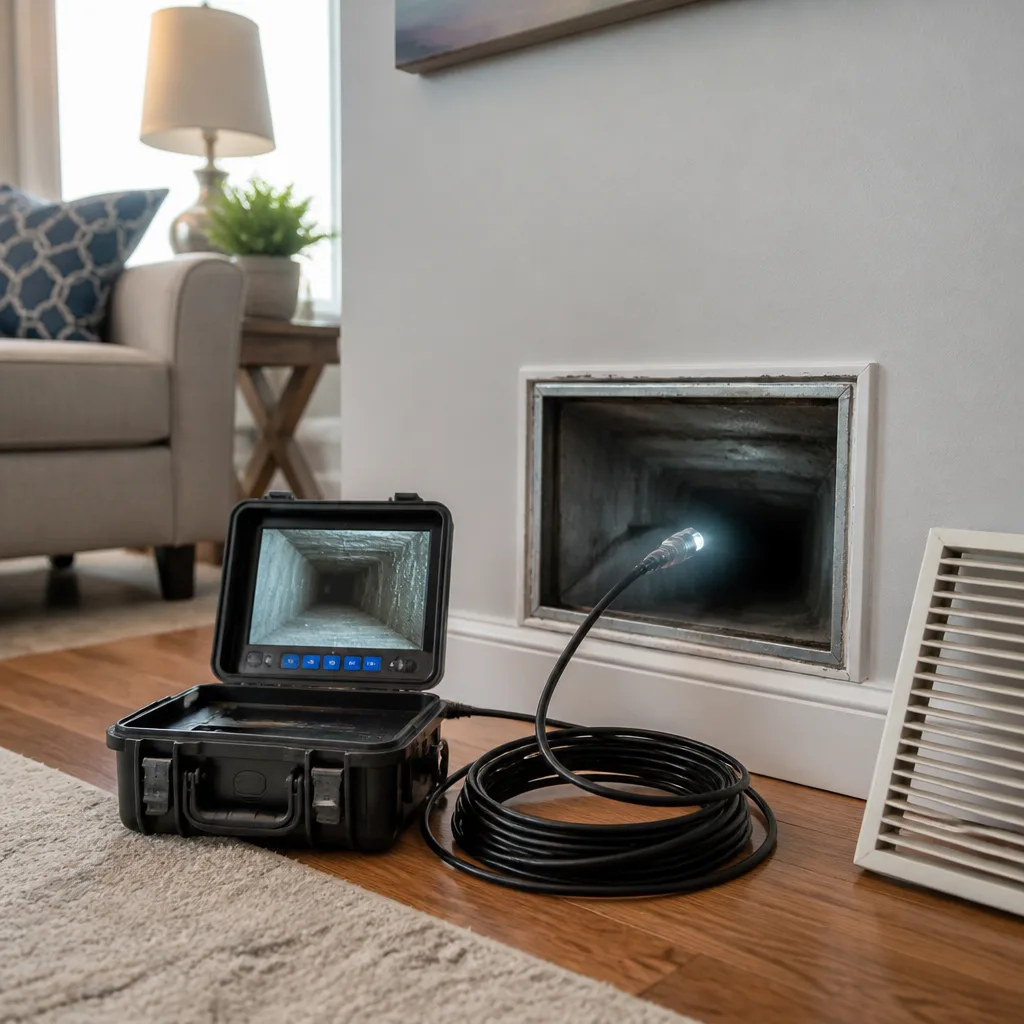 Camera inspection
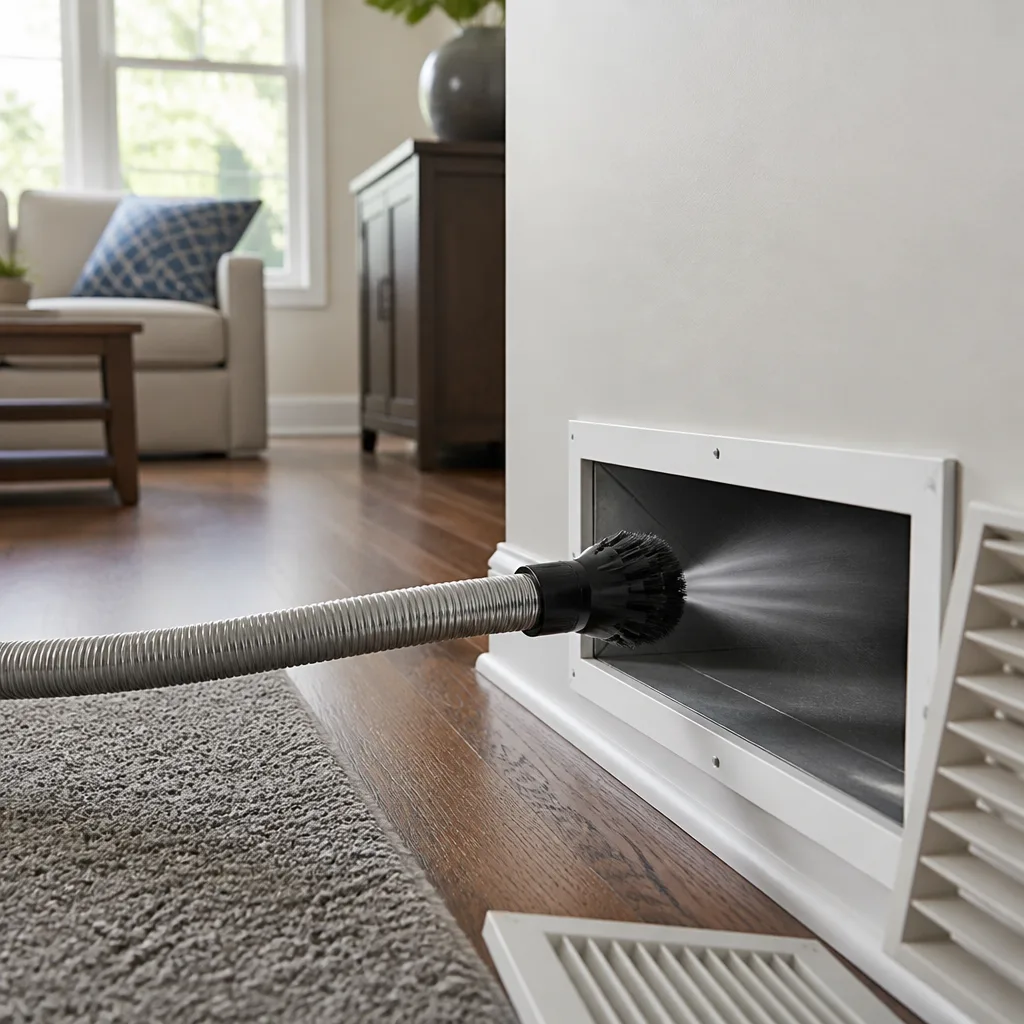 Sanitizing & deodorizing
Whole-system duct and dryer vent check with before-and-after photos - you see exactly what came out of your vents
That "$99 whole-house special" is a bait ad - the real number appears once they are in your hallway, or the "clean" is a shop-vac at the register. We photograph the inside of your ducts before and after instead.
Air Duct Cleaning Cost Breakdown: The Lynn Homeowner’s Reference for 2026
Two homeowners in Lynn can each pay for what the invoice calls “whole-house duct cleaning” and still walk away with wildly different results. One quote comes in low because it’s a surface pass with a shop vacuum and a brush; another costs more because it includes negative-pressure containment, HEPA collection, camera verification, and a technician who can actually repair what they find. The number on the estimate tells you almost nothing on its own. What matters is the scope hiding behind it. This guide breaks down the real cost drivers in the Lynn market for 2026 so you can read a quote for what it actually is, not just what it costs. By the end you’ll know which line items are legitimate, which ones are padding, and the exact questions to ask before you sign anything.
Quick Answer
Air duct cleaning in Lynn typically runs somewhere between $300 and $700 for a standard single-family home in 2026, with larger or more complex systems reaching $900 or more. The price depends far less on the number of vents than on the linear footage of ductwork, how many supply and return registers you have, the system layout, and how hard it is to reach the ducts in an older Lynn house. Any quote that’s dramatically lower almost always reflects a smaller scope, not a better deal. Call (888) 392-6109 for a free estimate based on your actual system.
Styles & brands we work with
- Whole-home duct cleaning
- Dryer vent cleaning
- Camera inspection
- Sanitizing & deodorizing
Table of Contents
- Why Duct Cleaning Quotes in Lynn Vary So Widely
- The Real Cost Variables: Footage, Registers, and Layout
- What Professional-Grade Equipment Adds to the Price
- Line-Item Breakdown of a Full-Scope Cleaning
- Add-Ons That Are Legitimate vs. Add-Ons That Aren’t
- How to Compare Competing Quotes the Right Way
- Older Lynn Homes and Access Challenges
- How Often Ducts Really Need Cleaning in Lynn
Why Duct Cleaning Quotes in Lynn Vary So Widely
The single biggest reason two Lynn homeowners can pay very different prices for the same-sounding service is that “duct cleaning” isn’t one thing. It’s a label that covers everything from a quick brush-and-vacuum pass to a full remediation-grade job with containment, HEPA filtration, and camera verification. When you compare quotes, you’re often comparing entirely different service levels that happen to share a name.
In our experience, the low-end quotes usually leave out the parts that take time. They skip negative-pressure setup, they don’t seal off the living space, they don’t run a camera to confirm the work, and they don’t repair anything they find. That’s not necessarily malicious. It’s just a cheaper scope. The problem is that the homeowner has no way to tell the difference unless someone explains what’s missing.
Here’s what actually drives the price up or down in the Lynn market:
- Linear footage of ductwork. A small ranch with a compact trunk line is a fundamentally different job than a multi-level home with long runs to distant rooms.
- Number of supply and return registers. Returns often get ignored, but they collect just as much debris and take just as long to clean properly.
- System configuration. Single-trunk systems are faster to clean than multi-zone layouts where each zone has its own damper and branch.
- Access difficulty. This is the big one in Lynn. Older homes weren’t designed with cleaning access in mind, so technicians sometimes have to create access points.
- Containment setup. Protecting the rest of the house during cleaning takes time and equipment, and it’s what separates a professional job from a messy one.
None of those variables show up on a one-line quote that just says “duct cleaning – $189.” That’s the opacity problem. A quote is only useful if it tells you what scope you’re actually buying. For a fuller look at how we approach this in Lynn, see our Lynn service page.
The Real Cost Variables: Footage, Registers, and Layout
If you want to understand why your quote landed where it did, look at four things: total duct length, register count, system layout, and access. These four variables account for most of the swing in Lynn pricing, and they’re what any honest estimator is mentally calculating when they walk through your house.
Linear footage
Ductwork is measured in linear feet, not by the room count. A house with a simple trunk-and-branch layout might have 60 to 80 feet of main trunk and branch runs. A larger or more sprawling home could have well over 150 feet. The cleaning time scales roughly with that footage, so the price does too. A company that quotes by the vent instead of by the footage is almost always using a pricing trick to make the number look small on the phone.
Supply and return registers
Most homeowners count the supply vents they can see in the floor or ceiling. Far fewer think about returns. Returns pull air back into the system and collect just as much dust and debris as supplies, sometimes more because they’re often larger and closer to floor level. A quote that covers supplies but not returns is a partial job. Ask specifically whether returns are included and how many.
System configuration
A single-trunk system with one main run feeding multiple branches is faster and simpler to clean than a multi-zone layout with separate dampers, longer branches, and sometimes separate air handlers. If your home has zoned heating and cooling, expect the cleaning time to reflect that added complexity.
Access difficulty
This is where Lynn homes separate themselves. Many houses here were built long before anyone thought about duct cleaning, and the ductwork is tucked into tight basements, crawl spaces, wall cavities, and soffits. Sometimes the only way to clean a run properly is to create an access point. That’s a legitimate cost, not a markup, and a company that ignores it will either do a worse job or skip that section entirely.
In our experience, the estimate should always be based on a walk-through of your actual system. A phone quote based only on square footage is an educated guess at best. Call (888) 392-6109 to set up a free estimate that accounts for your real layout.
What Professional-Grade Equipment Adds to the Price
Equipment is the second-biggest reason a professional quote sits higher than a bargain one, and it’s also the reason the professional job is worth it. Consumer-grade vacuums and hand brushes can loosen surface dust, but they can’t capture what’s deeper in the system or keep it out of your living space. Professional remediation equipment can do both, and that capability shows up in the price.
Here’s what we mean by professional-grade, and why each piece matters:
- Rotary brush systems. We use Rotobrush equipment, the kind of rotary brush systems that are specified in NADCA cleaning standards. These agitate and lift debris from duct walls in a way a hand brush can’t, and they’re built for continuous commercial use rather than occasional homeowner jobs.
- HEPA vacuum collection. Nikro HEPA vacuum rigs capture the fine particulate that a shop vacuum would simply blow back into the air. That’s the difference between “cleaned” and “cleaned without making the rest of the house worse.”
- Air filtration and containment. We bring Abatement Technologies air filtration units on every job so we can set up negative pressure and contain dust to the work area. This is the standard in professional remediation, not just routine maintenance cleaning, and it protects the rest of your home while we work.
- Camera inspection tools. Cameras let us verify the work inside the duct rather than guessing from the register. Before-and-after photos of your own ducts are part of that same principle.
- Repair capability. Because we also handle air duct repair, we can seal, patch, and restore compromised ductwork in the same visit instead of handing you off to a second contractor.
The equipment isn’t there to justify a higher price on its own. It’s there because the job requires it. A rotary brush with real agitation, negative pressure, and HEPA collection are what make a cleaning genuinely complete rather than cosmetic. If a quote doesn’t mention containment or filtration, ask about it. The answer tells you a lot about what’s actually included.
Line-Item Breakdown of a Full-Scope Cleaning
A full-scope duct cleaning isn’t a single action. It’s a sequence of steps, each of which takes time and contributes to the total price. When you understand the sequence, you can read a quote and see which steps are included and which are missing.
Here’s how a complete cleaning typically unfolds, in order:
- Initial inspection. A technician walks the system, checks the air handler, inspects accessible ductwork, and identifies problem areas. This step often reveals issues like disconnected joints, crushed runs, or heavy debris buildup that affect the scope.
- Access point creation if needed. If a run can’t be reached through existing registers or the air handler, a small access port may be cut and later sealed. This is common in older Lynn homes and is a legitimate line item.
- Negative pressure setup. The work area is sealed off, and Abatement filtration equipment is positioned so the ducts are under negative pressure during cleaning. This keeps debris out of your living space.
- Contact cleaning per zone. Each supply and return run is cleaned with rotary brush systems and HEPA vacuum collection. This is the longest step and the one that scales most directly with footage and register count.
- Air handler and coil area cleaning. The component that moves air through the system collects dust too. A full job includes cleaning the accessible air handler area, not just the ducts.
- Camera verification. A camera run confirms the work inside the ducts. This is how you know the job was actually completed, rather than taking someone’s word for it.
- Debris disposal. Collected debris has to be bagged and removed from the property. It sounds minor, but it’s part of the job and part of the price.
- Before-and-after photos. A professional job gives you visual evidence of the condition before and after cleaning so you can compare.
We handle air duct cleaning as one of our three core services, and that sequencing is what we’re pricing. If your quote only lists one or two of these steps, it’s a partial job. Ask which steps are included and which aren’t, and be wary of a quote that can’t tell you.
Add-Ons That Are Legitimate vs. Add-Ons That Aren’t
Add-on services are where quotes get confusing, and where some companies pad the bill. Some add-ons are genuinely necessary for a complete job. Others are almost always upsells that make the invoice bigger without improving your air quality meaningfully. Here’s how to tell the difference.
Legitimate add-ons
- Dryer vent cleaning. This is a fire-safety service, not a comfort upgrade. Lint buildup in a dryer vent is a leading cause of residential house fires, and many duct cleaners either don’t offer it or treat it as a separate appointment. We include dryer vent cleaning as a core service because it belongs with duct work, not alongside it. If your dryer is taking longer to dry clothes or the vent hasn’t been checked in years, this is worth doing.
- Air handler coil cleaning. When the cooling coil in the air handler is visibly soiled, cleaning it is a real improvement to airflow and system efficiency. Ask to see the condition before you agree to it, and confirm it’s actually dirty.
- Duct repair. If the inspection finds disconnected joints, crushed runs, or torn flex duct, repairing them is necessary for the cleaning to hold. Cleaning a system with leaks is like cleaning a room with the window open.
- Sanitizing with Guardsman products. After cleaning, a Guardsman finishing treatment can be appropriate as a protective step in systems with confirmed microbial growth or odor issues. It’s a finishing step, not a substitute for cleaning.
Add-ons that are usually upsells
- Duct coating. Spray-on coatings marketed as sealants or protectants are rarely necessary on a properly cleaned residential system. If a technician pushes this before doing the actual cleaning, ask why.
- Fogging or “sanitizing” treatments pitched as a cure-all. A fog treatment on top of a skipped cleaning doesn’t do much. The cleaning is what matters. Guardsman finishing products have a role, but only after a real cleaning, not in place of it.
- “Antimicrobial” add-ons with no confirmation of a problem. If there’s no confirmed growth, there’s nothing to treat. Ask what the technician saw, and whether they can show you.
The test is simple: does the add-on address something the technician actually observed or measured on your system, or is it offered as a package deal before anyone looks? Legitimate add-ons follow from inspection. Upsells are offered before anyone cracks open a register.
How to Compare Competing Quotes the Right Way
The instinct when you have three quotes is to pick the lowest number. That instinct will cost you more in the long run because it treats quotes as if they cover the same thing. They usually don’t. The better approach is to compare scope, not price, and then see whether the price difference makes sense.
Here are the specific questions that reveal what each quote actually includes:
- “How many linear feet of ductwork are you pricing?” If they can’t answer, they’re not pricing your system. They’re pricing a guess.
- “How many supply and return registers are included?” Count them yourself, then compare. A quote for 8 registers isn’t comparable to one for 16.
- “Is the air handler cleaned, or just the ducts?” Some quotes skip this. It’s a significant portion of the work.
- “Do you set up negative pressure and containment?” If not, dust will migrate through the house during cleaning. Ask what filtration equipment they use.
- “Do you run a camera to verify the work?” Camera verification is how you know the job is done. A company that doesn’t verify can’t show you anything.
- “Will you provide before-and-after photos of my ducts?” Photos of your own system, not stock images. This is your evidence the work was actually performed.
- “Is access point creation included, or extra?” Clarify this before work starts so there’s no surprise line item on the invoice.
- “Are repairs included, or is that a separate contractor?” If the inspection finds a problem, you want to know whether the same visit can fix it.
Once you have those answers side by side, the comparison becomes real. A higher quote that includes containment, camera verification, returns, and repair capability is often the better value, even if the number is bigger. A low quote that skips half those steps isn’t cheaper for the same job. It’s cheaper for a smaller one.
For more on our approach and how we structure estimates, start at Duct Cleaning Lynn. Or call (888) 392-6109 and we’ll walk through your system with you.
Older Lynn Homes and Access Challenges
Lynn’s housing stock is one of the biggest reasons local pricing doesn’t always match the national averages you’ll find online. Many homes in the city were built in eras before flexible ductwork, zoned systems, or any thought of cleaning access. The ductwork is often original metal trunk-and-branch, tucked into tight crawl spaces, wall cavities, and unfinished basements. That’s a real part of the job, and it’s why a Lynn estimate can come in higher than a generic online calculator suggests.
Here’s what the access issue looks like in practice:
- Low-clearance basements. Some Lynn homes have duct trunks running at ceiling height in a basement with limited headroom. Cleaning equipment has to fit and maneuver in that space.
- Crawl-space runs. Ductwork in crawl spaces is often inaccessible without cutting an access point. That’s standard and legitimate in older homes.
- Wall-cavity branches. Some supply branches run up inside wall cavities with no register access beyond the ceiling or floor vent. Getting a rotary brush into those runs takes time and care.
- Original metal vs. later retrofits. Homes with a mix of original rigid metal and later flex-duct additions need different cleaning approaches for each section. Technicians have to adapt equipment and technique as they go.
- Disconnected or crushed runs. Older installation means some runs have worked loose or been crushed by later renovations. Those need to be repaired, not just cleaned.
None of this is a reason to skip the cleaning. It’s a reason to work with a company that has the equipment to handle it and can include repair in the same visit. If a technician walks into your Lynn home and doesn’t look at the basement or the crawl space, ask them to. The access they haven’t inspected is the access that will show up as a surprise on the invoice. We recommend bringing the same level of care to the whole system, since clean ducts and repaired ducts work together to deliver what you paid for.
Our technicians have up to 13 years of experience, and they’ve worked with the range of systems Lynn homes present. If you’re not sure what you have, a free estimate will tell you. Call (888) 392-6109 to set one up.
How Often Ducts Really Need Cleaning in Lynn
The honest answer to “how often should I get my ducts cleaned” is that it depends on the home, and any company that gives you a hard number without looking isn’t being straight with you. A general rule some companies use is every three to five years, but that’s a rough average that doesn’t reflect the specific conditions that push a Lynn home either way.
Conditions that make cleaning necessary sooner:
- Visible dust or debris at the registers. If you can see dust buildup at the grille, there’s more behind it.
- Noticeable increase in indoor dust. When the house gets dustier faster than it used to, the system is often the reason.
- Allergy symptoms that worsen indoors. Dust and debris in the ductwork become airborne when the system runs. This is factual, not a scare tactic. If symptoms are worse inside than outside, the ducts are worth checking.
- Recent renovation or construction. Drywall dust and debris settle into the ducts during renovation. Cleaning after a major project is standard practice.
- Moving into a new home. You have no idea how the previous owners maintained the system. A cleaning before you settle in is worth it.
- Reduced airflow from the registers. Weak airflow often means debris is restricting the duct or the air handler area is dirty.
- Rodent or pest activity. Debris and nesting material in the ducts is a reason to clean and inspect for damage.
- Never cleaned (or unknown). If you can’t remember the last cleaning, or there’s no evidence of one, it’s overdue.
For a Lynn home with a normal maintenance history and no specific symptoms, several years between cleanings is reasonable. For a home with pets, allergies, recent renovation, or a system that’s never been cleaned, sooner is better. The right move is to have someone look and tell you what they see, with photos.
Beyond the ducts themselves, don’t overlook the dryer vent. It’s a separate service with its own timeline, and it’s tied directly to fire safety in a way duct cleaning is not. If you can’t remember the last time the dryer vent was cleaned, treat that as a priority independent of the ducts.
Common Mistakes to Avoid
- Comparing prices without comparing scope. Two quotes with the same label can cover very different work. A $189 job and a $680 job may not be variations of the same thing. Ask what’s included before you compare numbers.
- Pricing by the vent. A per-vent quote encourages companies to count the vents they can see and skip everything else, including the air handler and the returns. Ask for pricing based on linear footage and system configuration instead.
- Skipping the basement and crawl space inspection. In Lynn, the most important part of the walk-through is the part most homeowners never think about. If the technician doesn’t look at the access points, the quote is a guess.
- Not asking for before-and-after photos. Photos of your own ducts are the difference between knowing the work was done and hoping it was. A company that can’t produce photos can’t show you anything.
- Falling for a cut-rate coupon that changes on-site. If the price in the ad can’t survive the on-site inspection, the ad wasn’t real pricing. Ask for a firm scope-based estimate before the technician starts.
- Assuming the dryer vent is included. Many duct cleaners skip it entirely or offer it as a separate appointment. Confirm whether it’s part of the job and treat it as its own distinct service if it isn’t.
- Agreeing to add-ons before the cleaning. Coating and fog treatments offered before the technician has actually inspected your system are usually upsells. Legitimate add-ons come from what the inspection finds.
See the difference
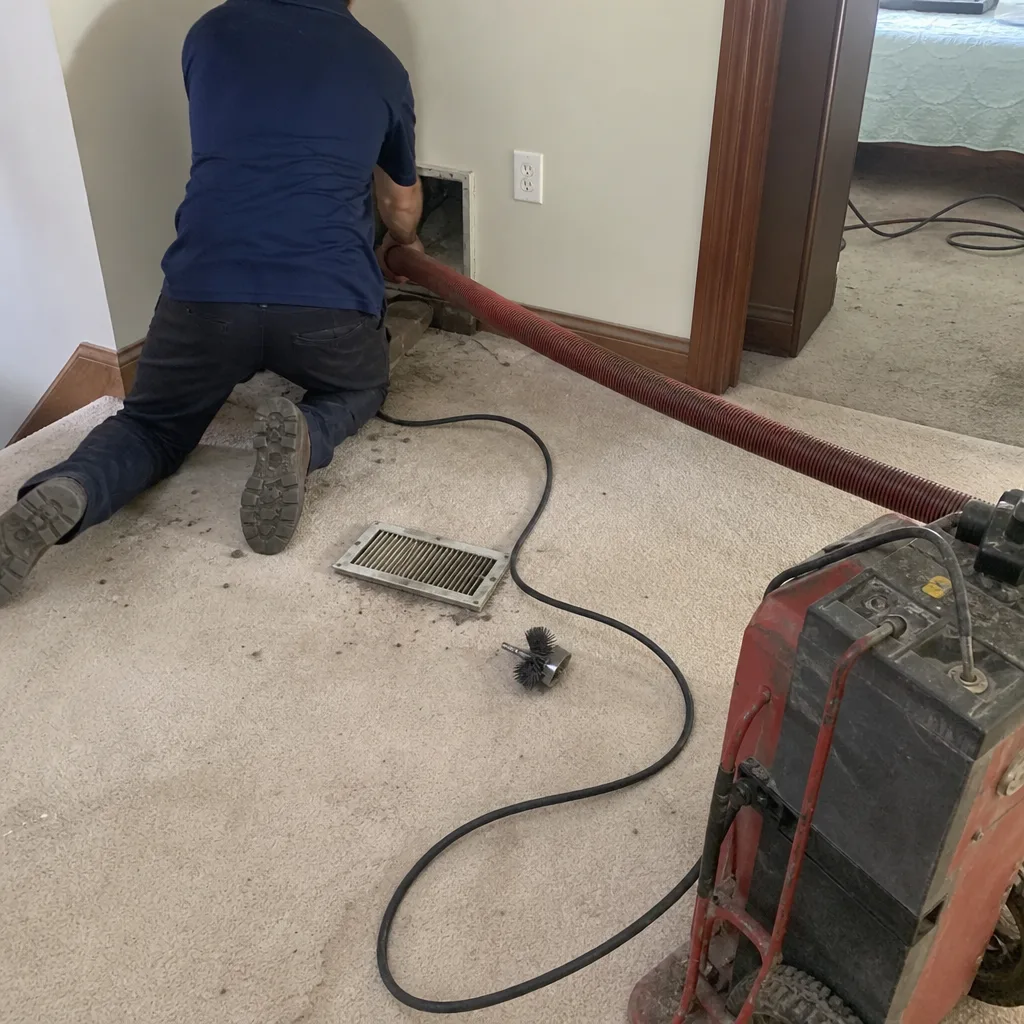 Before
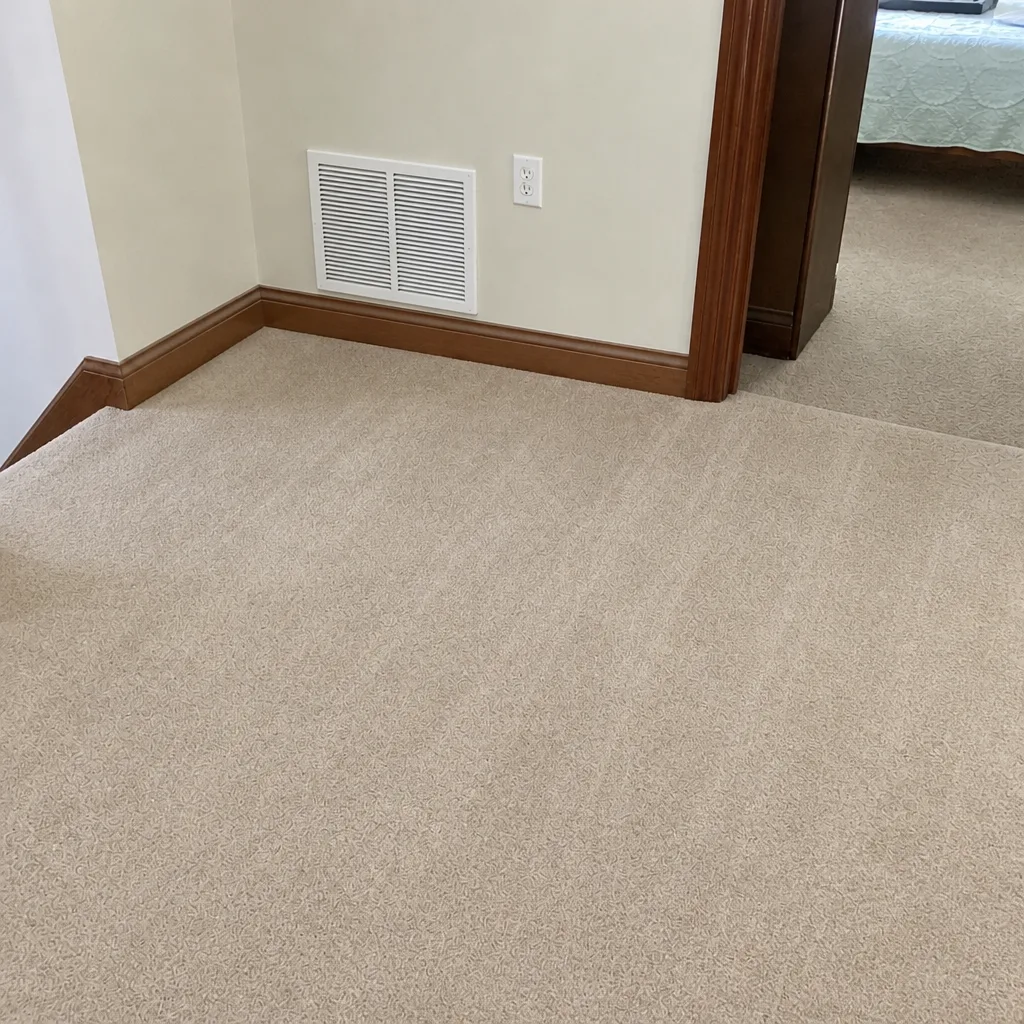 After
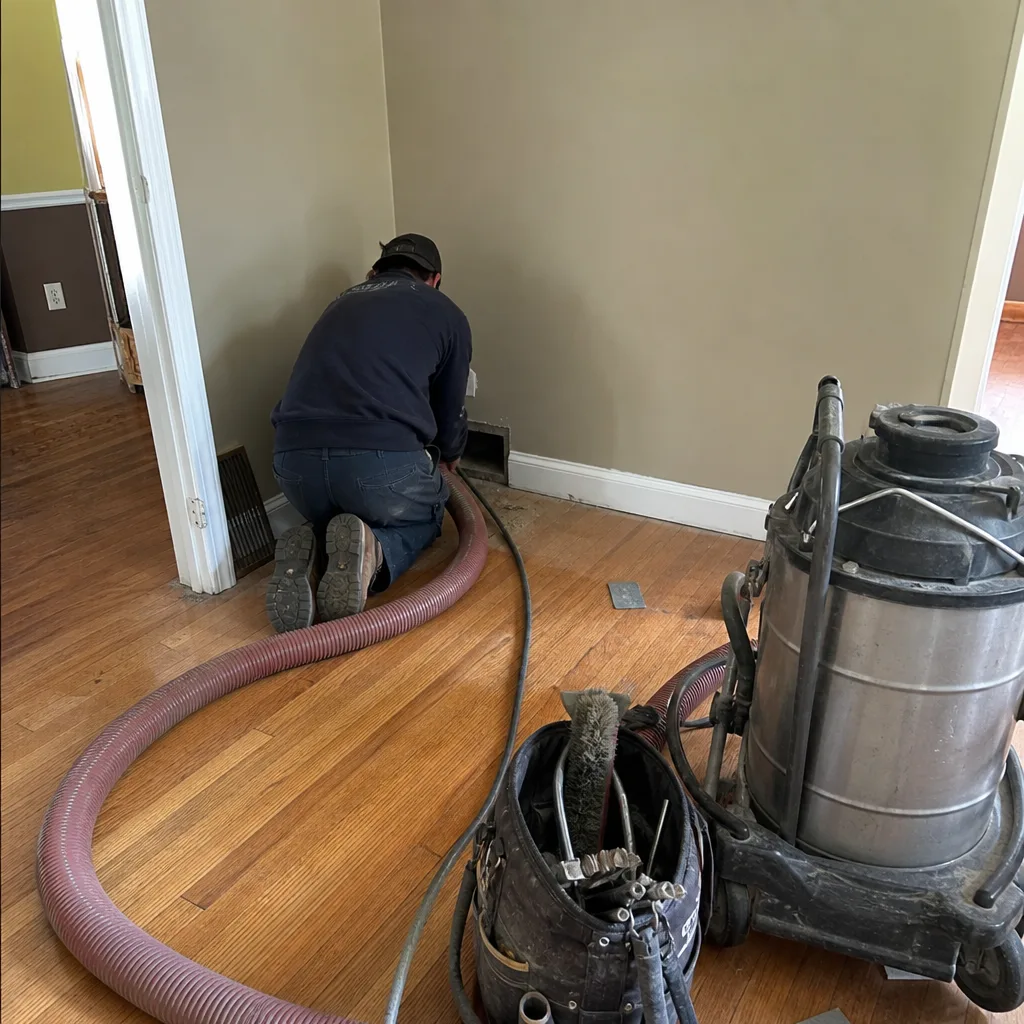 Before
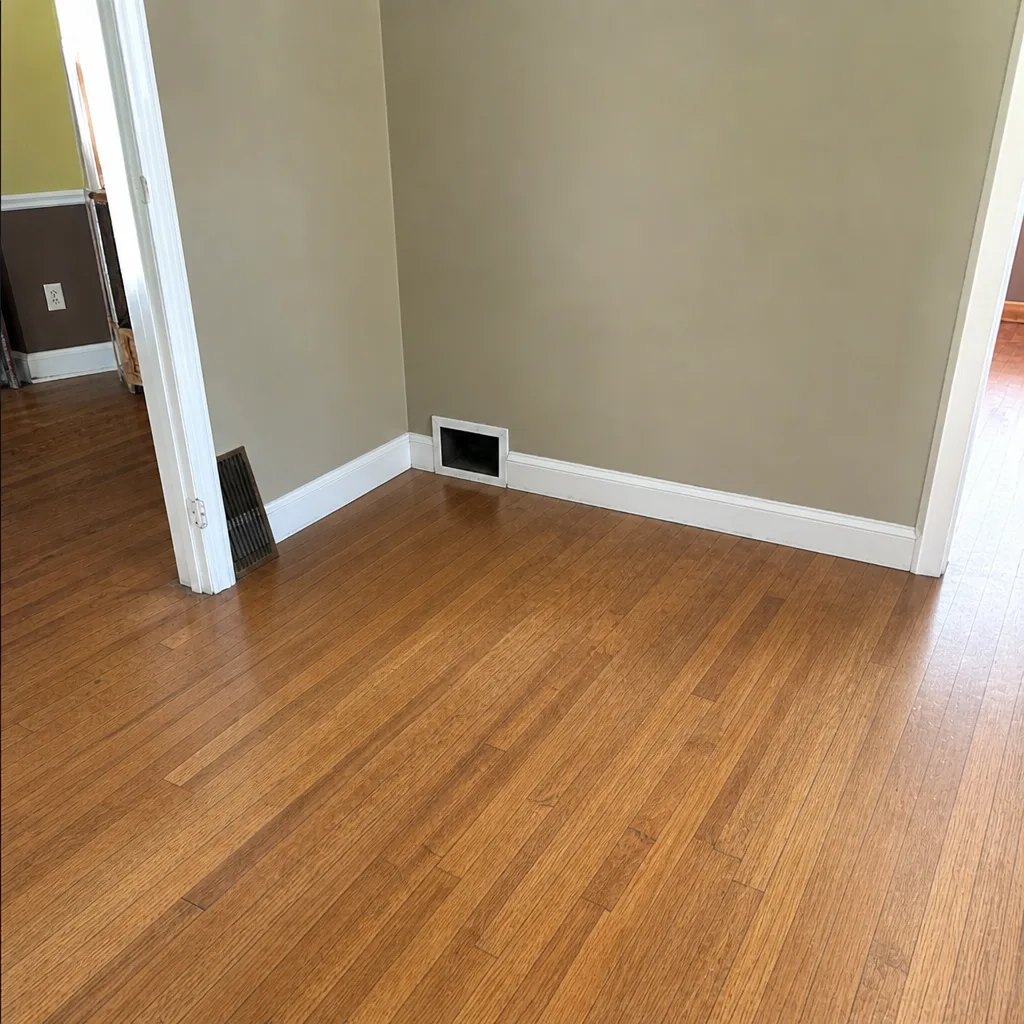 After
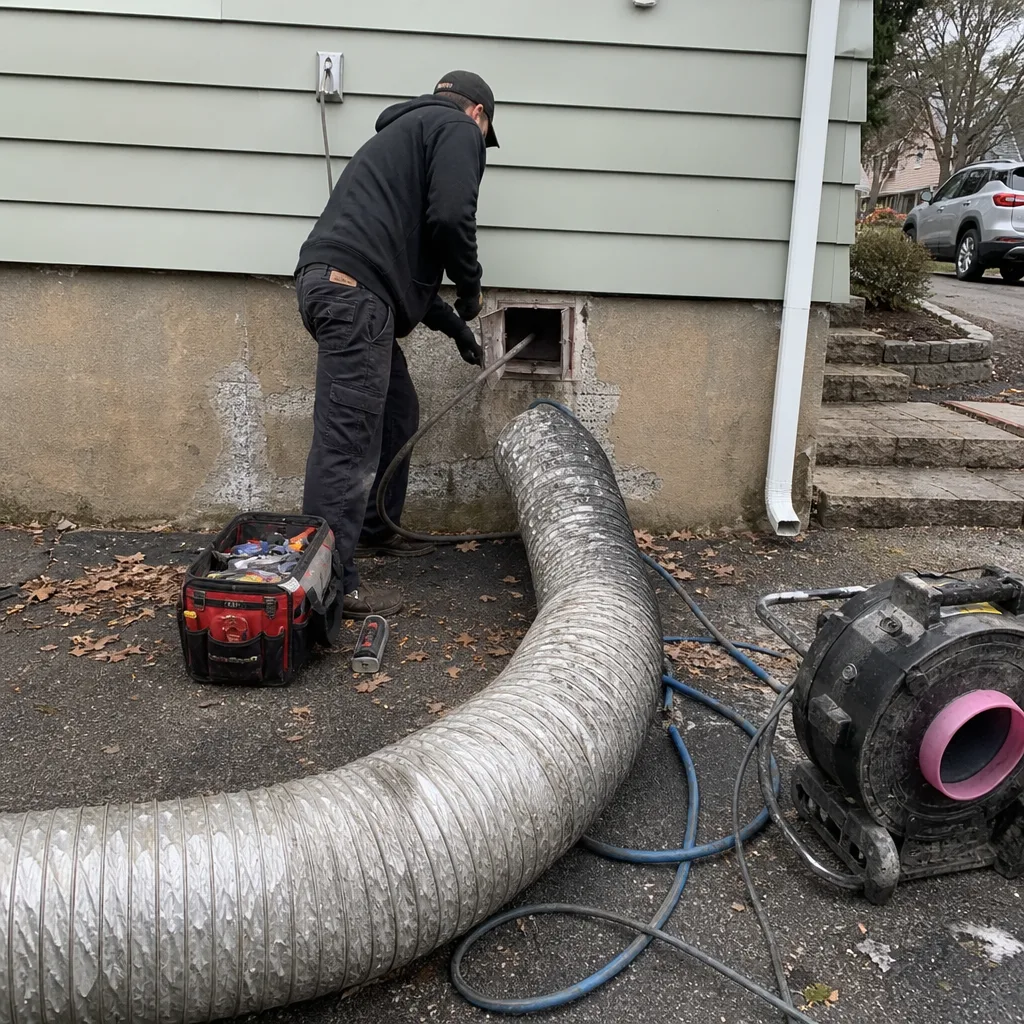 Before
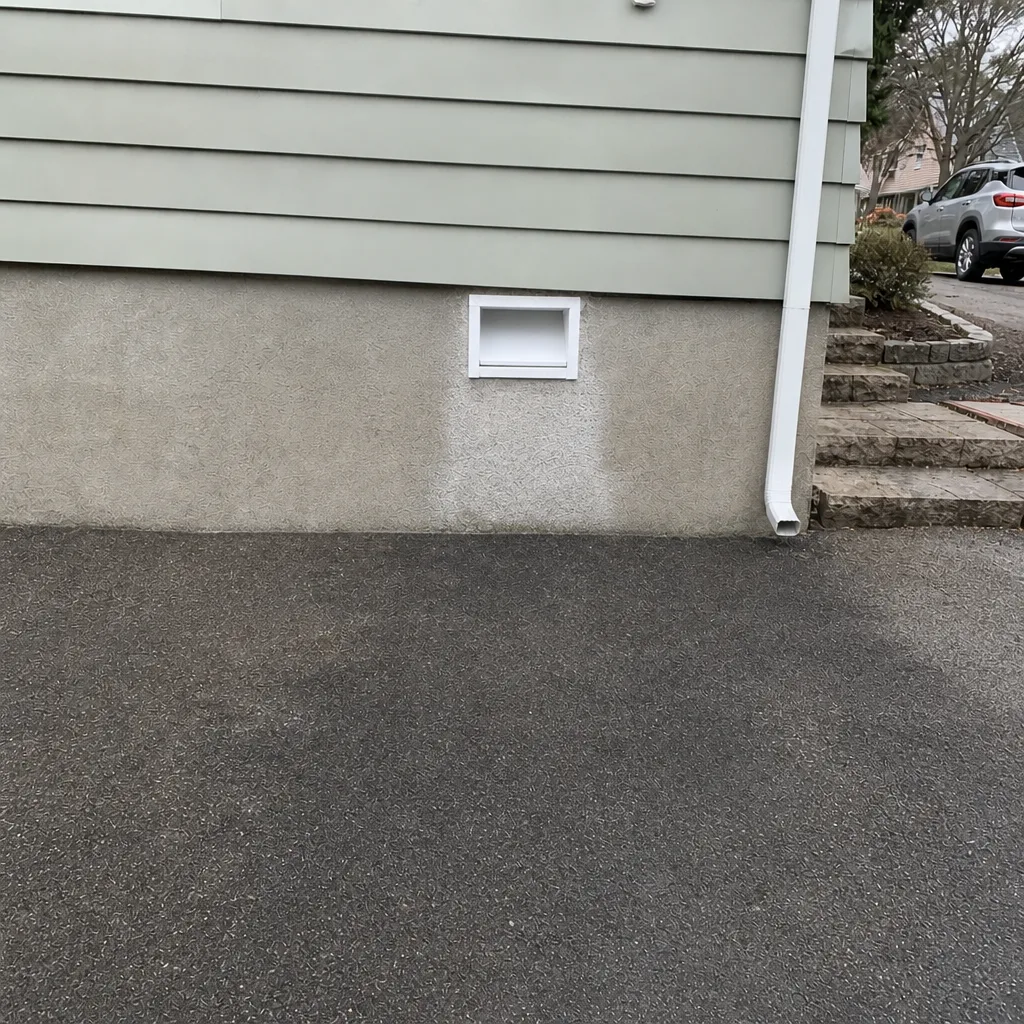 After
When to Call a Professional
Some maintenance is genuinely DIY. Duct cleaning isn’t one of them, and neither is dryer vent cleaning. The equipment required to do either job safely, with negative pressure and HEPA collection, isn’t something a homeowner can replicate with a shop vacuum, and doing it wrong can push debris into the living space rather than remove it.
Call a professional when you notice any of the following:
- Visible dust or debris at the registers or grilles
- Reduced airflow from the vents
- Allergy or respiratory symptoms that worsen indoors
- A recent renovation or construction project
- Moving into a new home with unknown duct history
- Signs of pest activity in the ducts or the air handler area
- A dryer that takes longer to dry clothes or a vent that hasn’t been checked in years
- Any suspicion that the ducts or the dryer vent have never been cleaned
Duct Cleaning Lynn offers free estimates in Lynn. Call (888) 392-6109. We answer 24/7. Fast dispatch from 7am to 7pm, Sunday through Friday.
Frequently Asked Questions
A typical full-scope cleaning in Lynn runs between $300 and $700 in 2026, with larger or more complex systems reaching $900 or more. The price reflects linear footage, register count, system layout, and access difficulty rather than a per-vent figure. A written estimate after a walk-through of your system sets the final price. Call (888) 392-6109 for an exact quote – estimates are free.
Cheaper quotes almost always cover a smaller scope: fewer registers, no negative pressure, no camera verification, no containment, and no repair capability. That’s not necessarily dishonest, but it isn’t the same service. A low quote isn’t a better deal if it’s a partial job. The right question is what’s included, not what’s the lowest number. Call (888) 392-6109 and we’ll explain exactly what our scope covers.
Before-and-after photos of your own ducts and camera verification of the runs are how you know. We provide photos of your system, not generic images, so you can see the condition before and after. If a company can’t show you photos of your ducts, ask why. Call (888) 392-6109 to schedule an estimate and see how we document the work.
Most Lynn homes with normal maintenance need cleaning every few years, but the honest answer depends on your specific system. Homes with pets, allergies, recent renovation, or a system that’s never been cleaned need it sooner. Anyone who gives you a fixed schedule without looking at your ducts is guessing. Call (888) 392-6109 for an assessment based on your actual system.
Not always. Many duct cleaners skip it or offer it as a separate service, but it’s a fire-safety service and belongs with the same visit when possible. If your dryer vent hasn’t been checked in years, don’t leave it off the list. Call (888) 392-6109 to include it in your estimate.
Yes. A complete job covers both supply registers and returns, plus the accessible air handler area. Returns are often the ones homeowners don’t think about, and they collect just as much debris. If a quote doesn’t specify returns, ask. Call (888) 392-6109 for an estimate that covers the whole system.
The Bottom Line
A duct cleaning quote is only meaningful when you know what’s inside it. In Lynn, the price swings from $189 to $900 because the scope swings by the same amount. Linear footage, register count, system layout, and access difficulty are the real drivers, and professional-grade equipment is what makes a cleaning complete rather than cosmetic. When you compare quotes, compare scope first: what’s included, what’s skipped, and what evidence you’ll get that the work was done. The lowest number rarely buys the most cleaning. Call (888) 392-6109 for a free estimate that tells you what’s actually included. We answer 24/7. Fast dispatch from 7am to 7pm, Sunday through Friday.
Written by the team at Duct Cleaning Lynn.