
Last updated November 15, 2026
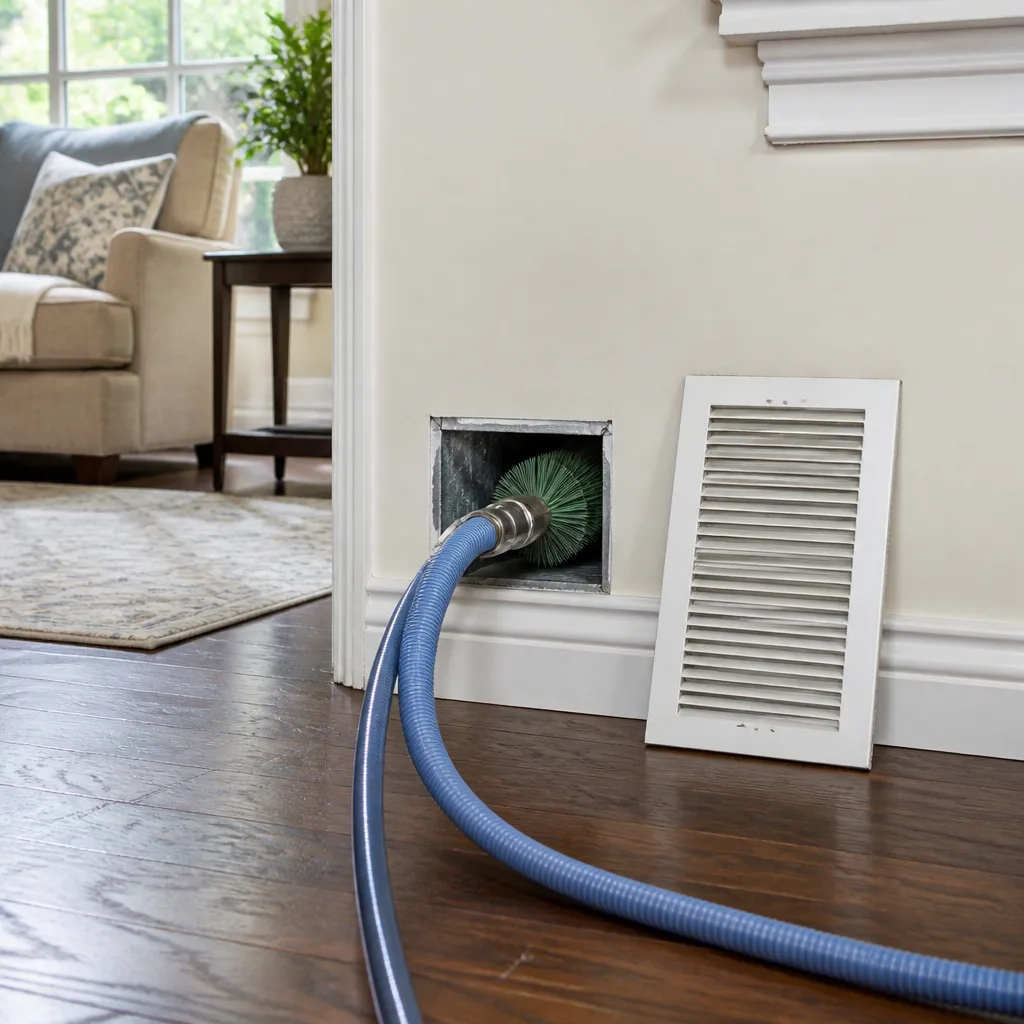 Whole-home duct cleaning
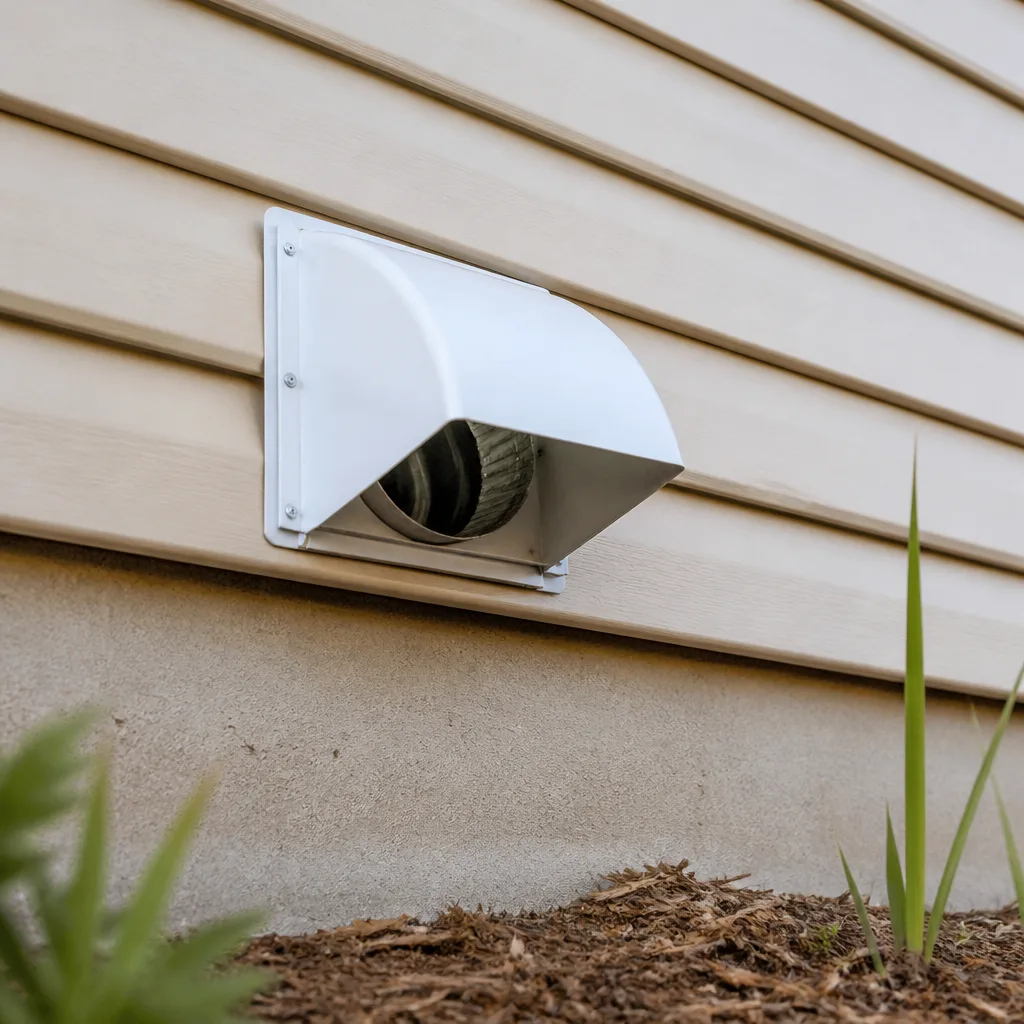 Dryer vent cleaning
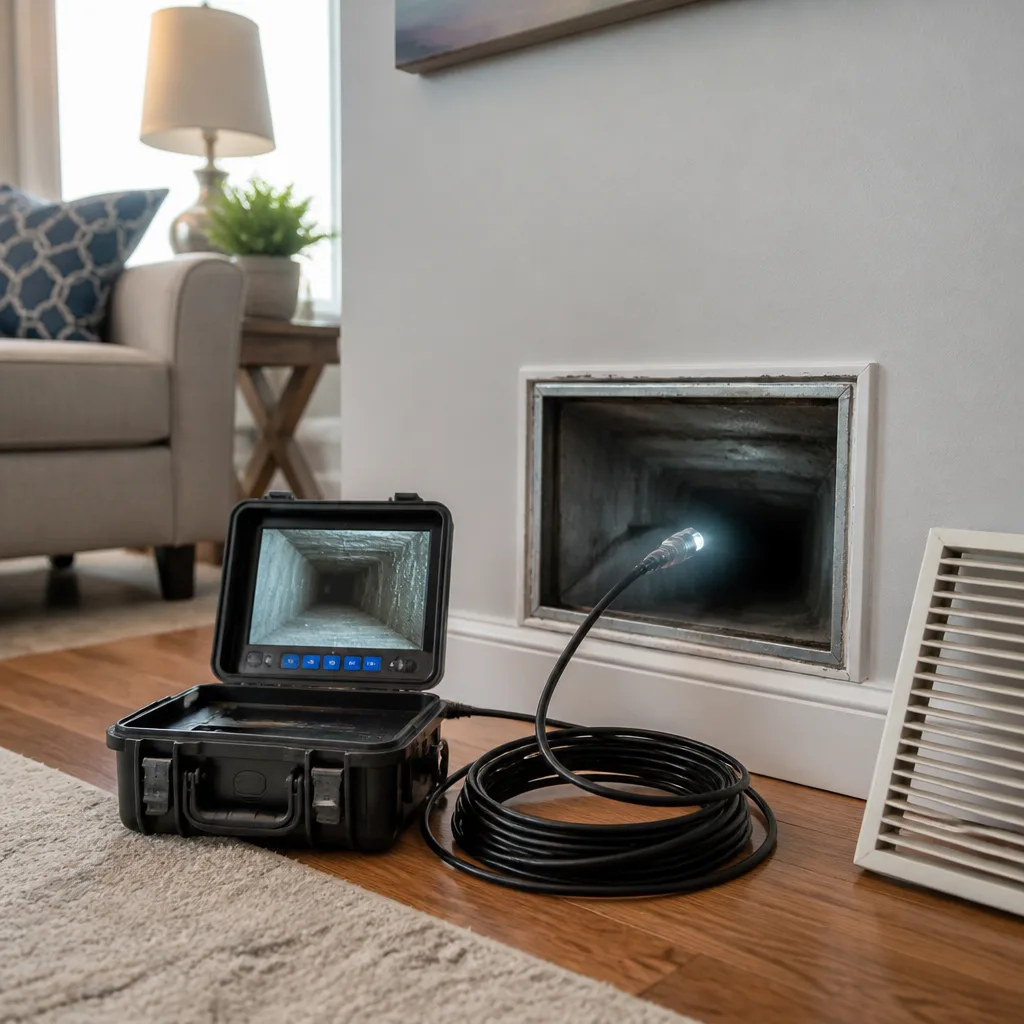 Camera inspection
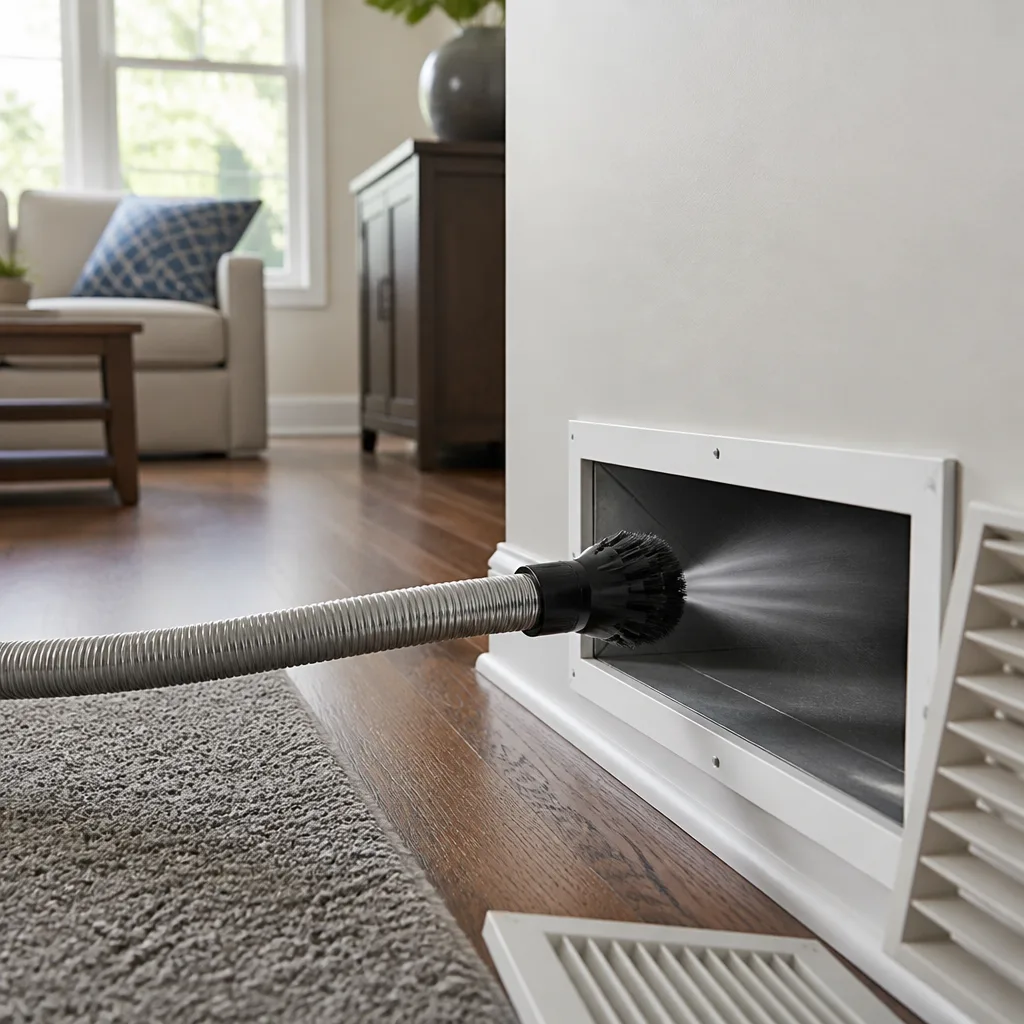 Sanitizing & deodorizing
Whole-system duct and dryer vent check with before-and-after photos - you see exactly what came out of your vents
That "$99 whole-house special" is a bait ad - the real number appears once they are in your hallway, or the "clean" is a shop-vac at the register. We photograph the inside of your ducts before and after instead.
Seasonal Air Duct Cleaning Care for Lynn: Year-Round Homeowner’s Guide
Most duct cleaning advice treats the year as one long runway into heating season. Clean the ducts in October, forget about them until next fall. That calendar works fine in a dry climate. It misses the mark in Lynn, where the air itself changes character four times a year and each shift puts a different kind of stress on the ductwork behind your walls. Humidity, not dust, is the variable that decides how fast contamination builds inside a Lynn duct system. This guide maps a real seasonal protocol to the weather this city actually gets, so you’re responding to conditions rather than following a generic checklist that was written for somewhere else.
Quick Answer
Air duct care in Lynn works best on a four-season cycle rather than a once-a-year task: clean or inspect before the first sustained AC use in early summer, run a pre-heat inspection in September and October, watch filter loading through the winter, and do your contamination-load assessment in April and May. The single most overlooked window is summer, when high humidity turns settled dust in ductwork into a moisture problem. Homes near the Lynnway industrial corridor, older housing stock, and households with pets or respiratory conditions should plan on a tighter cycle than everyone else.
Styles & brands we work with
- Whole-home duct cleaning
- Dryer vent cleaning
- Camera inspection
- Sanitizing & deodorizing
Table of Contents
- Why seasonal duct care matters more in Lynn than most guides admit
- Summer (June-August): the humidity window nobody plans for
- Fall transition (September-October): the pre-heat inspection checklist
- Winter (November-March): filter strategy when the heat runs hard
- Spring (April-May): post-heating assessment and the cleaning decision
- How to set your cleaning frequency using Lynn-specific factors
- Common mistakes to avoid
- When to call a professional
Why Seasonal Duct Care Matters More in Lynn Than Most Guides Admit
Lynn averages more than 100 days a year when relative humidity sits above 70%. That number is the whole reason this guide exists. Most seasonal duct advice is written around heating season because heat is when people think about their HVAC system. But moisture is what actually feeds the processes that make duct interiors unpleasant: dust that cakes and clings instead of passing through, microbial activity that ramps up wherever condensation forms, and a stale, musty smell that shows up the moment you turn the system back on.
A duct system is a dark, enclosed cavity with a steady trickle of air moving through it. Add weeks of high humidity and you’ve created the conditions where settled particulate and moisture combine into something the filter alone can’t handle. That’s why a Lynn homeowner who cleans in October and then runs AC through a humid July is essentially undoing part of the work. The air handling equipment pushes conditioned air through the same passages, but the condensation that forms on cool surfaces during the summer gives dust a place to stick.
There’s a second reason the generic calendar falls short here. Lynn’s housing stock covers a wide range of ages and duct configurations, from older systems with original sheet metal to newer construction with flex duct runs. Older ductwork frequently has more standing dust in the summer-idle sections because it’s been in service longer and may have small gaps where the system pulls air from unconditioned spaces. That dust is what summer humidity turns into a problem.
So the plan below isn’t “clean once, coast for a year.” It’s an inspection and response rhythm, keyed to what your ducts are actually going through each season. If you want the broad overview of how professional cleaning fits into that rhythm, our Duct Cleaning Lynn page covers the equipment and process in detail.
Summer (June-August): The Humidity Window Nobody Plans For
Before you run the AC for the first time in a season, the ducts have usually been idle since roughly October. Months of settled particulate have been sitting in the runs, undisturbed. The moment you switch the air handler on, that material gets lifted back into the airstream and distributed through the rooms you’re trying to keep comfortable. In a humid Lynn summer, those same runs often pick up condensation on cool surfaces, which gives the settled dust a place to cling and hold moisture.
The right move is a pre-season check, not a full cleaning every single June. Here’s how a summer protocol looks in practice:
- Inspect before first AC use. Pull a few supply registers and look inside with a flashlight. Visible dust matting on the duct walls, debris in the boot, or a musty smell when you lean in tells you the system needs attention before the season starts, not after.
- Check the return-side filter condition. A filter that’s been sitting since spring is already loaded with pollen and fine dust. Replace it before summer so the system isn’t pulling restricted airflow through a clogged media.
- Watch for condensation at registers. Beads of moisture on a supply register in July are a sign the duct surface is cold enough to condense room humidity. That’s a signal to check insulation on those runs and to look harder at the duct interior.
- Address musty odors immediately. A smell that appears when the AC runs and fades when it doesn’t usually points to biological activity somewhere in the system. Don’t mask it with a plug-in; find the source.
In our experience, Lynn homes that skip the summer check end up noticing dust settling faster on horizontal surfaces by August. That’s the redistribution signature: particulate that was sitting in the ducts is now cycling through your living space. If you’re already seeing it, our air duct cleaning service is built around rotary brush and HEPA-vacuum extraction that removes the settled material rather than blowing it around.
Why humidity matters more than heat
Air conditioning itself doesn’t damage ducts. But the combination of a cool duct surface and a humid Lynn summer does create the one condition where contamination accelerates: condensation. That’s why the summer window deserves its own protocol instead of being lumped into “before winter.” A duct interior that stays dry all summer is a duct interior that’s much easier to keep clean.
Fall Transition (September-October): The Pre-Heat Inspection Checklist
When the heating season approaches, the ducts that ran cool all summer get a fresh work-over as warm air starts moving through them. Warm air picks up settled particulate more readily than cool air, and the first few weeks of heating season are when any dust that built up over the summer gets distributed into the home. This is the single most useful inspection window of the year, and it’s the one most homeowners do out of order (they clean after the smell shows up, not before).
Here’s the pre-heat inspection checklist we’d run on a Lynn home:
- Look inside supply runs for standing dust. Pull a register in each major room and inspect the first foot of duct. A light film is normal. A visible layer or matting suggests it’s time for cleaning.
- Check the return plenum and filter slot. Dust accumulation around the filter frame means air is bypassing the filter. That’s a filtration problem and a duct-contamination source at the same time.
- Run the heat briefly and notice the smell. A burnt-dust smell that lingers for days is normal first-run odor. A persistent musty or stale smell points to something in the ductwork.
- Inspect the boots and registers in older homes. Older Lynn housing stock often has boots with gaps around the perimeter where the duct meets the floor. Those gaps pull air from unconditioned crawl or wall cavities.
- Look for signs of duct separation or crushed runs. Flex duct that’s kinked or pulled apart at a joint leaks conditioned air and pulls unfiltered air in. This is where a duct repair evaluation matters, not just cleaning.
If you find compromised ductwork during the fall inspection, that’s a repair issue before it’s a cleaning issue. We’re set up to seal, patch and restore ductwork in the same visit as a cleaning, which is different from a cleaning-only operation that has to hand the repair off. You can read more about the repair side of our work on the Lynn service overview.
What “old system” actually means in a Lynn fall inspection
The August-to-October gap is where settled particulate gets its longest uninterrupted window to build inside unused summer ducts. A system that ran AC all summer with a moderately loaded filter carries more into the fall than one that ran clean. That’s the reason we recommend the fall checklist even if you cleaned in the spring: the question isn’t “did I clean this year,” it’s “what condition is the system in going into heating season.”
Winter (November-March): Filter Strategy When the Heat Runs Hard
Winter is the season when your duct system runs the longest hours of the year, circulating air continuously through the coldest months. That continuous run has two consequences for duct care: the filter loads faster, and every unfiltered leak in the system has more time to draw dusty air in. Neither of those is solved by looking at the ducts once in the fall and forgetting them until spring.
The practical winter focus is filtration discipline. Here’s what that looks like:
- Check filter loading more often in winter. A filter that runs continuously for weeks fills faster than one on a summer duty cycle. Check it monthly and replace when the load is visible.
- Match filter type to your system’s capability. A high-MERV filter catches finer particulate but restricts airflow if the system wasn’t designed for it. The right answer depends on equipment, not on guessing “higher is better.”
- Pay attention to where the system draws return air. Return grilles near a door that opens to a cold, dusty garage or basement pull that air into the system. Sealing or relocating return air sources is part of duct care, not a separate concern.
- Notice dryer vent performance in winter. Cold weather means closed-up homes and longer dryer cycles. A lint-clogged dryer vent runs hotter and takes longer, and it’s a fire-safety issue rather than a comfort issue.
On that last point: dryer vent cleaning is one of the three core services we run, and winter is a good time to check it because the appliance runs more and vents more slowly in cold weather. If you can’t remember the last time it was done, it’s worth a look before the holiday laundry load piles up.
The winter filter trap
Homeowners who upgrade to a very high-MERV filter in winter sometimes make airflow worse, because the filter is doing its job too well for the blower to overcome. Restricted airflow means the system runs longer, the ducts stay pressurized longer, and any leak in the system pulls more unconditioned air. If you’re not sure what your equipment can handle, ask before you buy the highest number on the shelf.
Spring (April-May): Post-Heating Assessment and the Cleaning Decision
Spring is when you have the clearest view of what winter actually did to your system. The heating season is over, the ducts have been running hard for months, and the annual contamination load is at its most visible. This is the best time of year to answer one question honestly: does this need cleaning, or does it need repair, or does it just need a filter and a look?
The spring assessment is a judgment call, and making it well saves you from either over-cleaning or neglecting a real problem. Here’s how we’d frame the decision:
- Pull a sample of registers across the home. If most supply runs show a light film, your system is probably in maintenance range. If several show visible matting or a debris layer, the case for cleaning gets stronger.
- Note whether dust buildup this year was better or worse than last year. A year-over-year improvement suggests your protocol is working. A worsening pattern points to a source you haven’t found yet: a return air leak, a filter bypass, or ductwork that’s pulling from an unconditioned space.
- Check for physical duct problems. Spring is a good time to look for crushed, disconnected or uninsulated runs, because you have a season of heating-cycle expansion and contraction to inspect. This is where an air duct repair assessment can save you from cleaning a system that’s leaking.
- Decide: cleaning, repair, or both. A clean system that leaks will get dirty again fast. A repaired system that’s dirty still has contamination inside. The right answer depends on what the inspection finds.
Spring is also the best planning window because it sits before the summer humidity season. If you clean in April or May, you go into the humid months with a dry, clean system and a fresh filter, which is the ideal starting condition for the summer protocol above. For homeowners who want the full picture of what a professional cleaning involves before deciding, the dryer vent cleaning page and the air duct pages together show the scope of the work.
Spring is the cheapest time to decide, not the cheapest time to clean
To be clear: spring isn’t a discount season. The estimate is what it is whenever you book. What spring gives you is time to make a considered decision rather than reacting to a smell in November when you’re already uncomfortable. The written estimate sets the final price and is agreed before any work starts, whichever season you choose.
How to Set Your Cleaning Frequency Using Lynn-Specific Factors
There’s no single correct answer to “how often should ducts be cleaned,” because the right interval depends on the home. In Lynn, the factors that push you toward a tighter cycle are fairly specific, and homeowners can assess them honestly:
- Proximity to the Lynnway industrial corridor. Homes near the industrial corridor take in more fine airborne particulate than homes further out, and that material loads the filter and the ducts faster. If you’re in that zone, lean toward a tighter inspection cycle and check filters more often.
- Home age and duct configuration. Older Lynn housing stock tends to have more duct leakage and more accumulated dust in the system. A home that’s been in service for decades may hold more settled material than a newer build, which argues for a more frequent inspection rhythm.
- Pets. Pet hair and dander are heavier than typical dust and settle in the return system and boots. Homes with pets generally need more frequent filter changes and a shorter inspection interval.
- Occupants with respiratory conditions. For households with allergies or respiratory sensitivity, the case for keeping the system clean and well-filtered is stronger regardless of the calendar.
- Humidity exposure. Homes with a basement or crawl space that runs humid, or with ductwork in unconditioned spaces, face more condensation risk in summer and warrant a summer inspection.
In practice, a typical Lynn home with no unusual factors can run on an annual inspection with cleaning when the inspection says so. A home near the industrial corridor, with pets, or with an older duct system may benefit from checking twice a year: once in the fall pre-heat window and once in the spring assessment. The decision should be driven by what the inspection finds, not by a fixed schedule someone handed you on a flyer.
What professional equipment changes about frequency
Consumer-grade vacuums and brush kits clean the surfaces you can reach. Professional tools reach further into the system. We use Rotobrush rotary brush systems and Nikro HEPA-vacuum rigs, plus Abatement Technologies air filtration units to contain dust and protect living spaces during the work. That equipment is what lets a professional cleaning actually reset the system so your seasonal protocol starts from a clean baseline instead of being stacked on top of remaining contamination.
Common Mistakes to Avoid
- Treating duct care as a once-a-year October task. The fall cleaning misses the summer humidity window and the shoulder-season conditions when moisture-related contamination forms. Lynn’s climate rewards a four-season rhythm.
- Running the AC for the first time without inspecting the ducts. Months of settled particulate get redistributed into living spaces the moment the air handler starts. A quick pre-season look at a few registers prevents that surprise.
- Buying the highest-MERV filter available without checking the system. A filter that’s too restrictive for the blower reduces airflow and can make dust redistribution worse, not better. Match the filter to the equipment.
- Ignoring dust around the filter frame. Filter bypass is a sign the system is pulling unfiltered air around the filter rather than through it, which means the ducts are getting dirty even with a new filter installed.
- Cleaning a duct system without checking for leaks and separation. A clean system that leaks gets dirty again fast. Repair and cleaning belong in the same assessment, which is why we handle both.
- Skipping the dryer vent because it’s not part of the “heating and cooling” system. Dryer vent cleaning is a fire-safety service, not a comfort upgrade, and a clogged vent is a real risk in a closed-up winter home.
- Assuming a fixed schedule fits every home. Proximity to the industrial corridor, home age, pets and respiratory conditions all shift the right interval. Use an inspection to set the cadence, not a generic “every few years” rule of thumb.
When to Call a Professional
Some inspection work is reasonable for a homeowner: pulling registers, checking filters, noticing smells. Other work needs professional equipment and training. Call a professional when you see visible contamination or matting inside multiple supply runs, when a musty or stale odor persists when the system runs, when you find disconnected, crushed or uninsulated ductwork, when dust accumulation is worsening year over year despite filter replacement, or when your dryer takes noticeably longer to dry clothes than it used to. Those are the signs that a shop-vac and a brush won’t reach the problem, and that the system needs rotary brush and HEPA extraction, containment, and possibly duct repair. Duct Cleaning Lynn offers free estimates in Lynn. Call (888) 392-6109. We answer 24/7. Fast dispatch from 7am to 7pm, Sunday through Friday.
See the difference
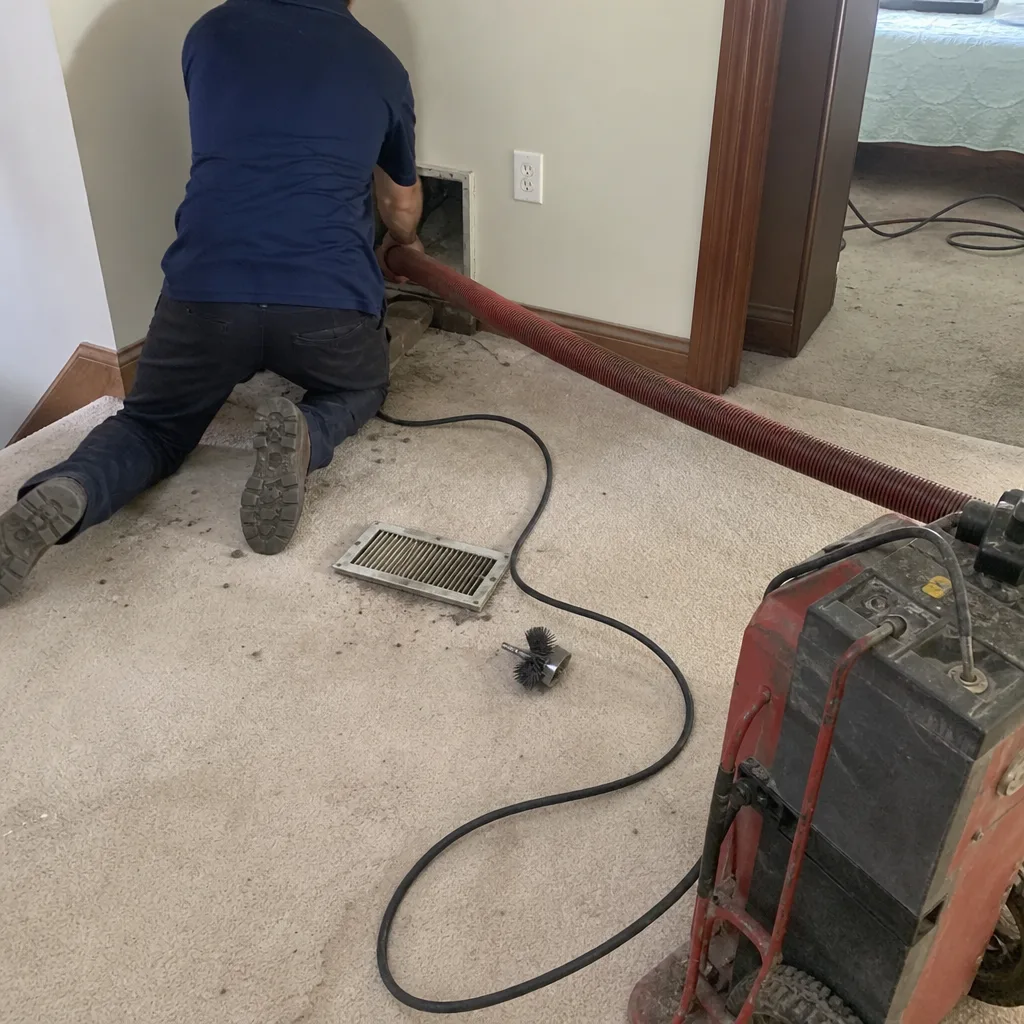 Before
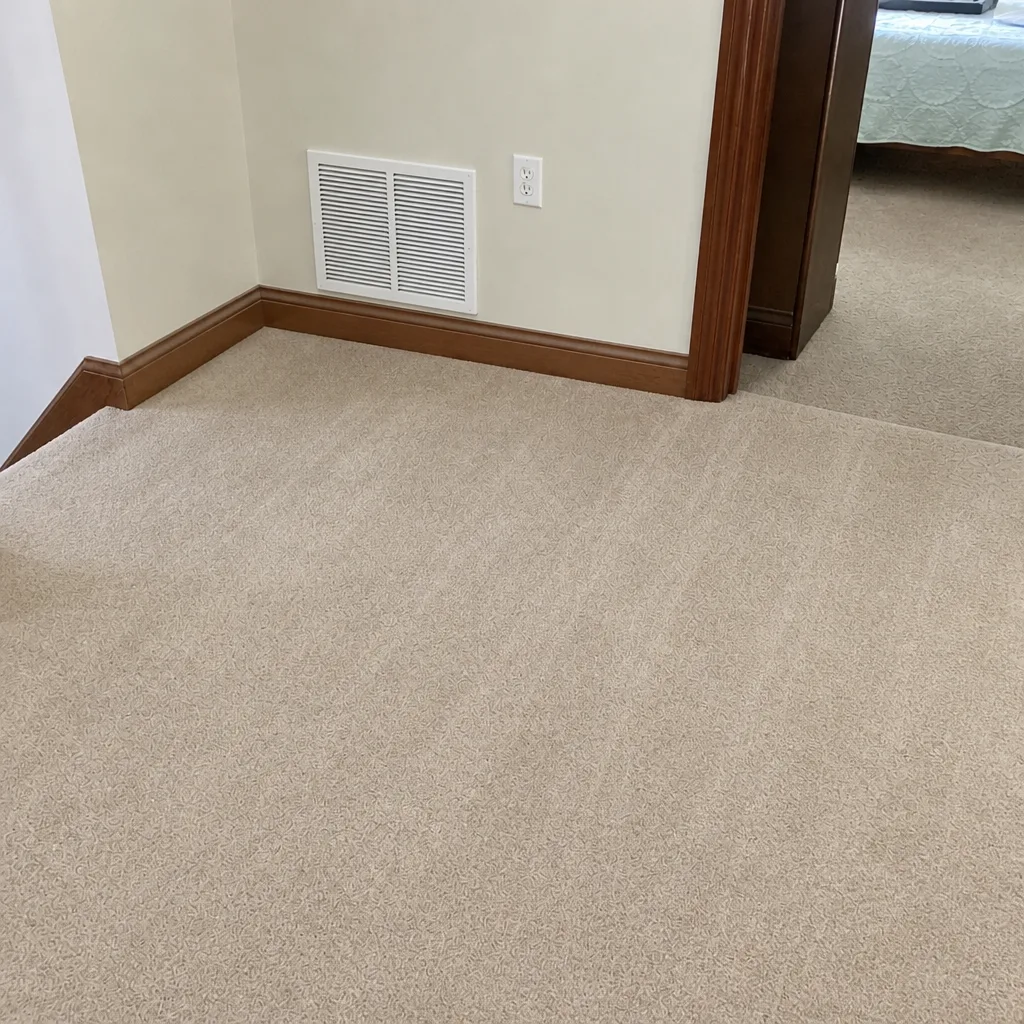 After
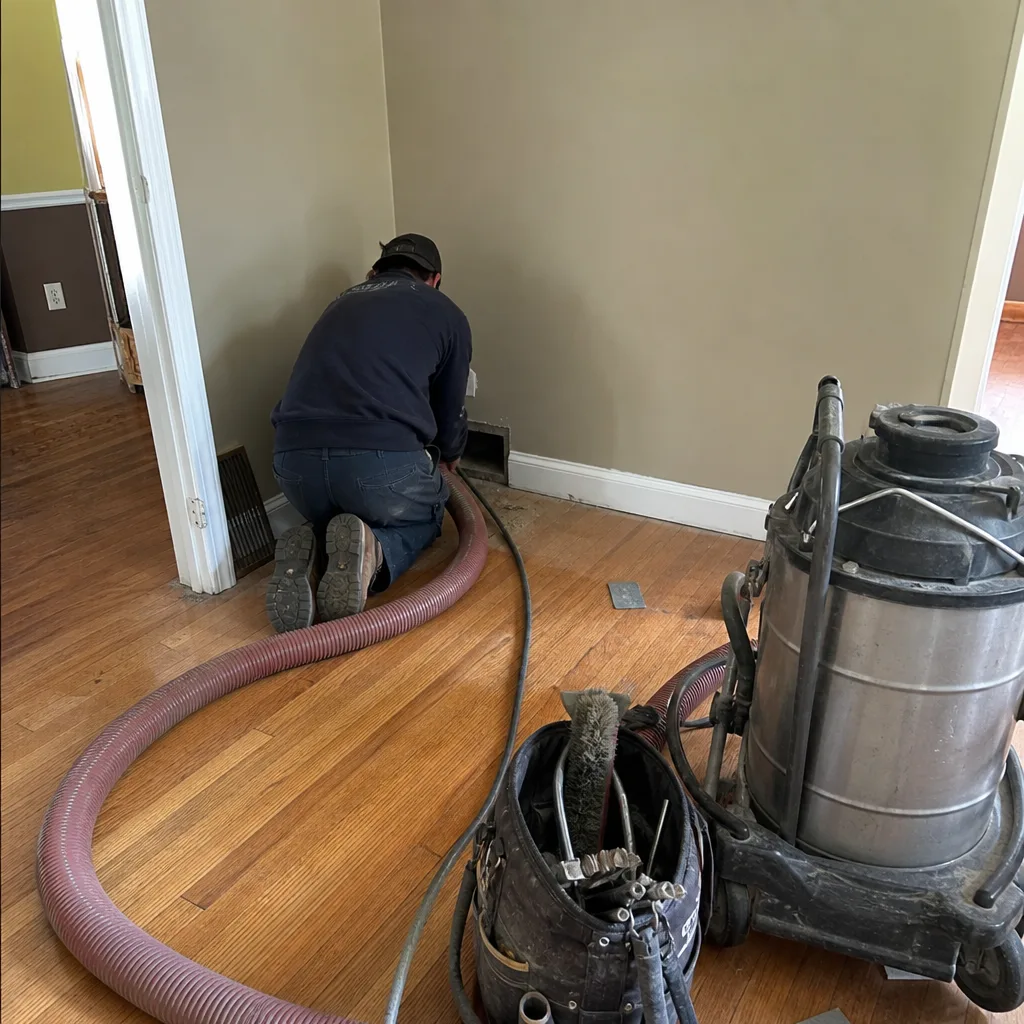 Before
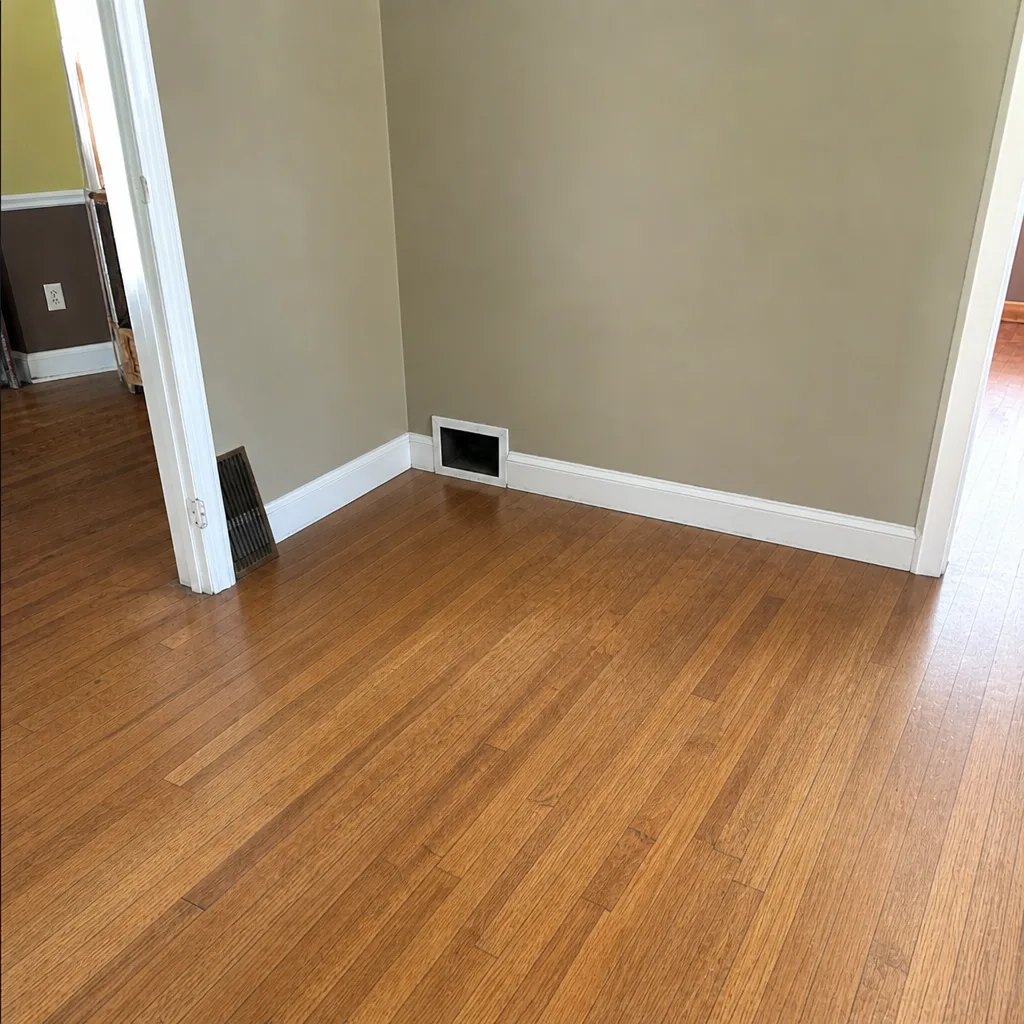 After
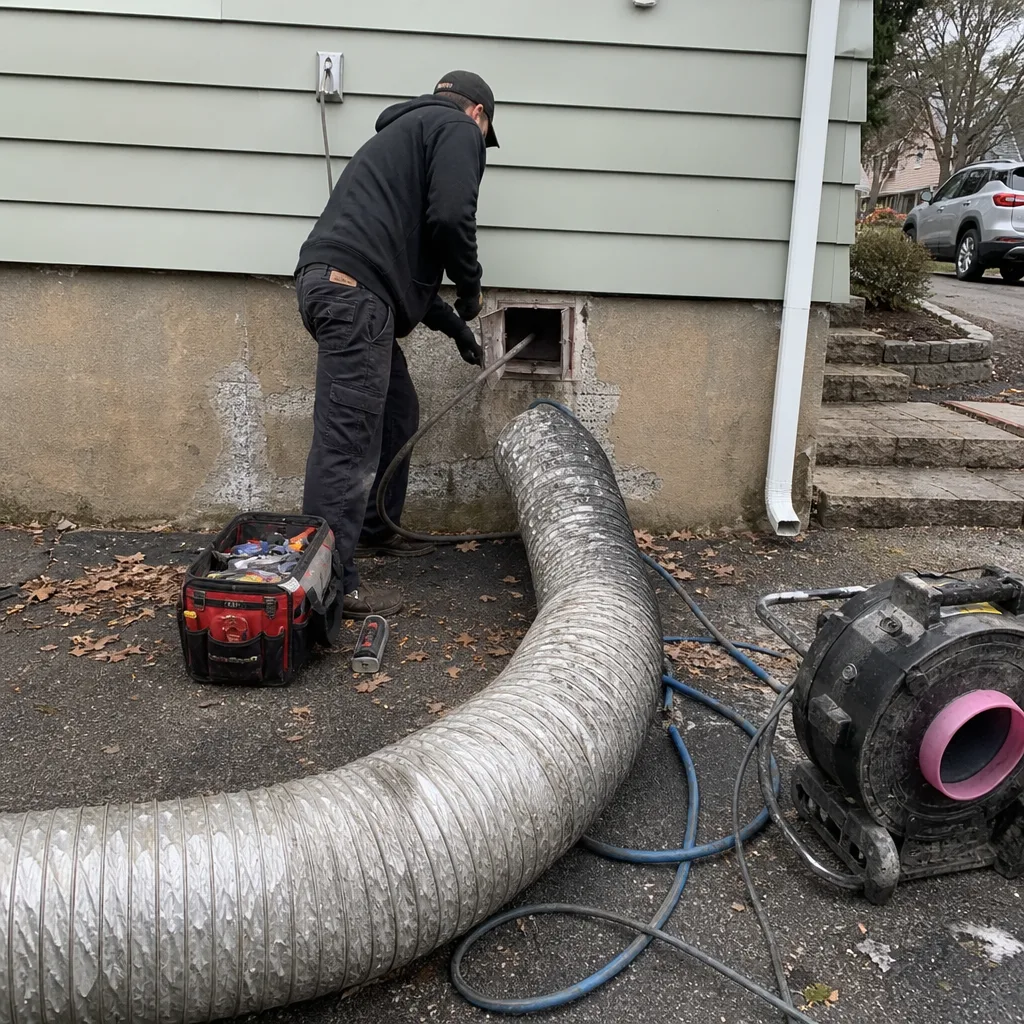 Before
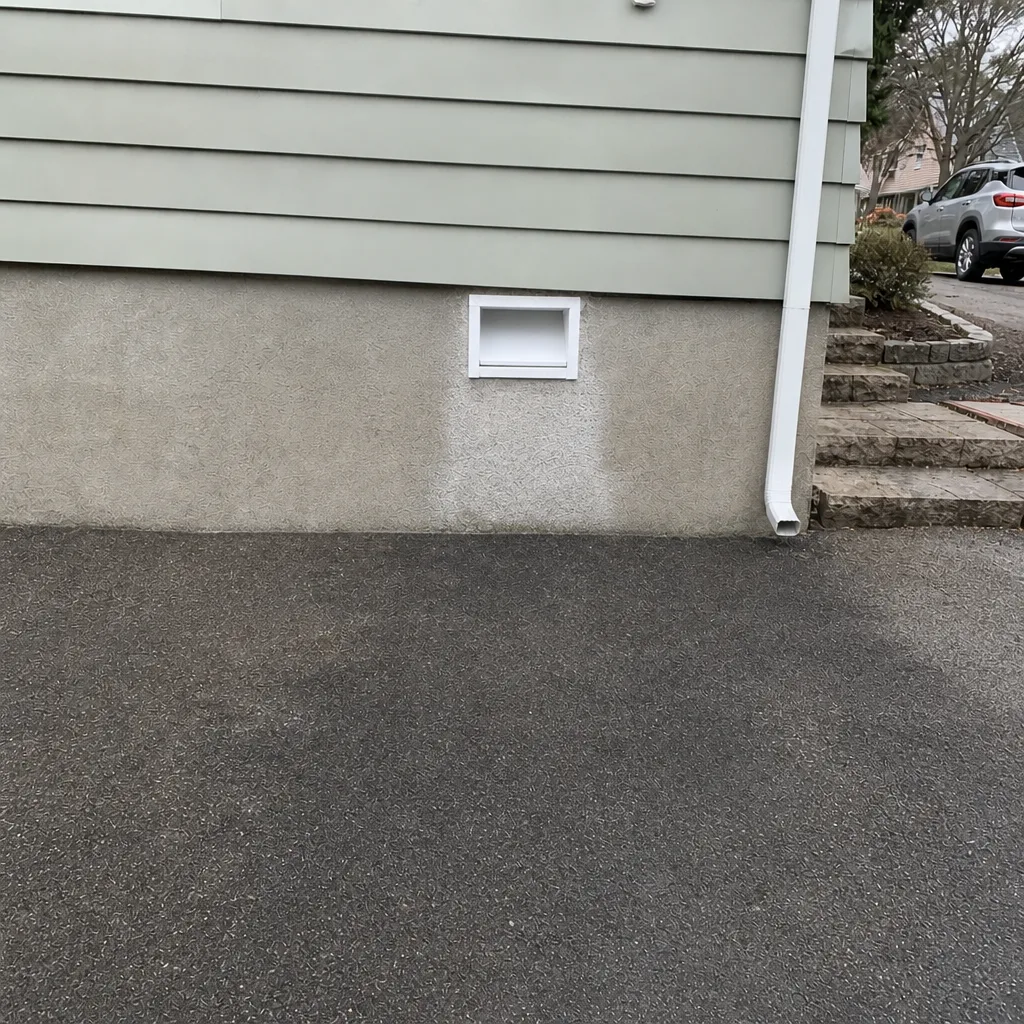 After
Frequently Asked Questions
There’s no fixed interval that fits every Lynn home, because the right cadence depends on your specific factors. A typical home with no unusual conditions can run on an annual inspection with cleaning when the inspection calls for it. Homes near the Lynnway industrial corridor, homes with older duct systems, and households with pets or occupants with respiratory conditions usually benefit from checking twice a year: once in the fall pre-heat window and once in the spring post-heating assessment. Call (888) 392-6109 for a free estimate and a straightforward read on your system.
Summer is the window most homeowners overlook, and in Lynn’s climate it’s the one that matters most for moisture-related problems. High humidity combined with cool duct surfaces during AC operation creates condensation, which gives settled dust a place to cling and hold moisture. Inspecting before the first AC use of the season catches the problem before it compounds. Call (888) 392-6109 for an estimate if the summer inspection turns up anything.
Pull a register in each major room and look at the first foot of duct for visible dust matting or debris, check the return plenum and filter slot for dust around the frame, run the heat briefly and notice whether the smell clears or lingers, and look for gaps at the boots in older homes. That five-point look catches most of what the fall inspection is designed to find. If something looks wrong, call (888) 392-6109 for a free estimate.
Yes. Homes near the industrial corridor take in more fine airborne particulate, which loads both the filter and the duct system faster than homes further out. If you’re in that zone, check filters more often and lean toward a tighter inspection rhythm. The right interval is set by what the inspection finds, not by a generic schedule. Call (888) 392-6109 to have your system assessed.
Yes, in many cases. We handle both because cleaning a system that leaks just means it gets dirty again faster, and repairing a system that’s dirty still leaves contamination inside. Having both capabilities under one roof means the inspection can lead straight to a repair and a cleaning rather than a handoff to a second contractor. Call (888) 392-6109 for a free estimate on the combined work.
A musty smell that appears when the system runs and fades when it doesn’t usually points to contamination somewhere in the duct system or a moisture problem that’s feeding it. Masking it with a plug-in or an air freshener doesn’t address the source. A professional inspection finds where it’s coming from before it gets worse. Call (888) 392-6109 for a free estimate and an honest read.
The Bottom Line
Seasonal air duct care in Lynn works when you treat the year as four distinct windows rather than one. Inspect before the summer humidity season, run the pre-heat checklist in the fall, stay disciplined about filters through the winter, and do your cleaning-or-repair assessment in the spring. The factors that should push you toward a tighter cadence are specific to your home: proximity to the Lynnway industrial corridor, duct system age and configuration, pets, respiratory conditions, and humidity exposure in unconditioned spaces. We use professional-grade equipment (Rotobrush, Nikro, Abatement Technologies) because surface cleaning doesn’t reset a system for the next season. Duct cleaning is a scheduled service, not an emergency one, and the written estimate sets the final price before work starts.
If you’d rather have someone who does this every day look at your system than guess at a schedule, call (888) 392-6109 for a free estimate. We answer 24/7. Fast dispatch from 7am to 7pm, Sunday through Friday.
Written by the team at Duct Cleaning Lynn.