
Last updated November 15, 2026
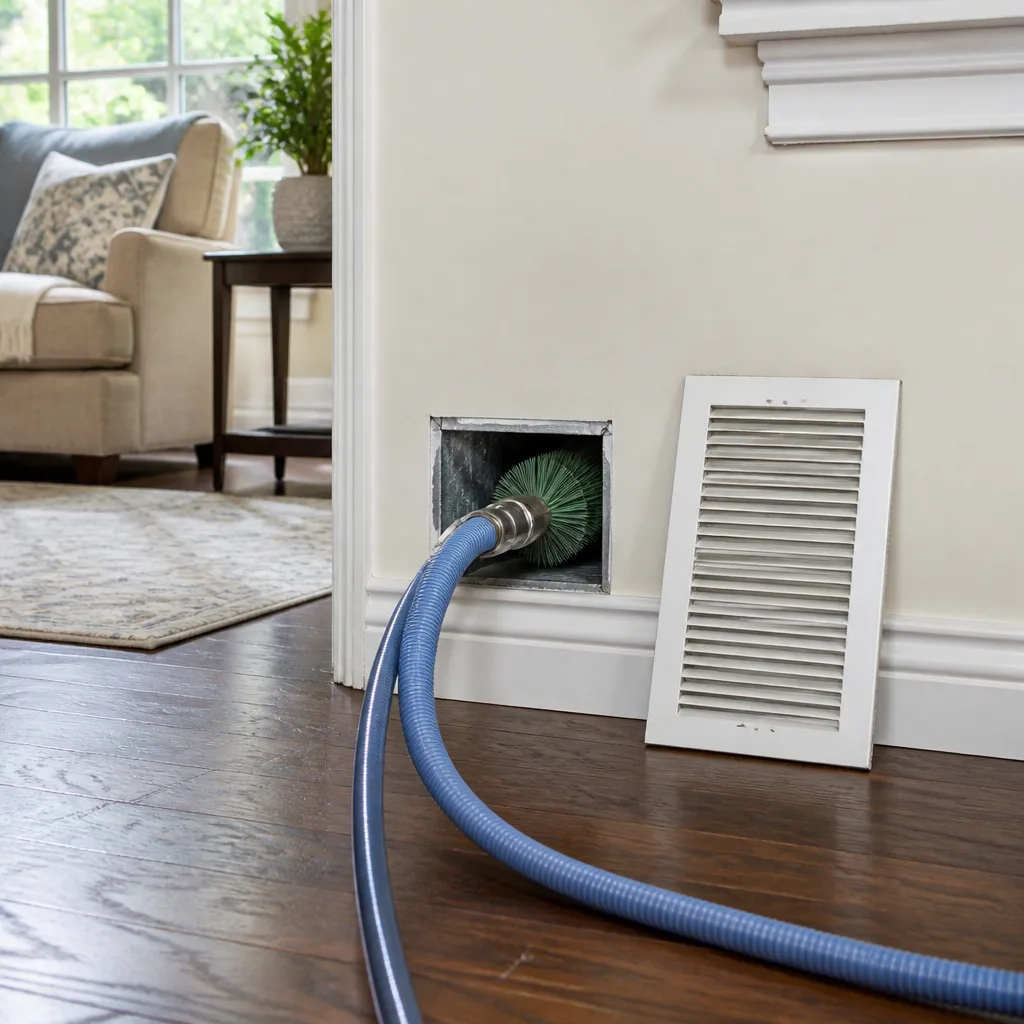 Whole-home duct cleaning
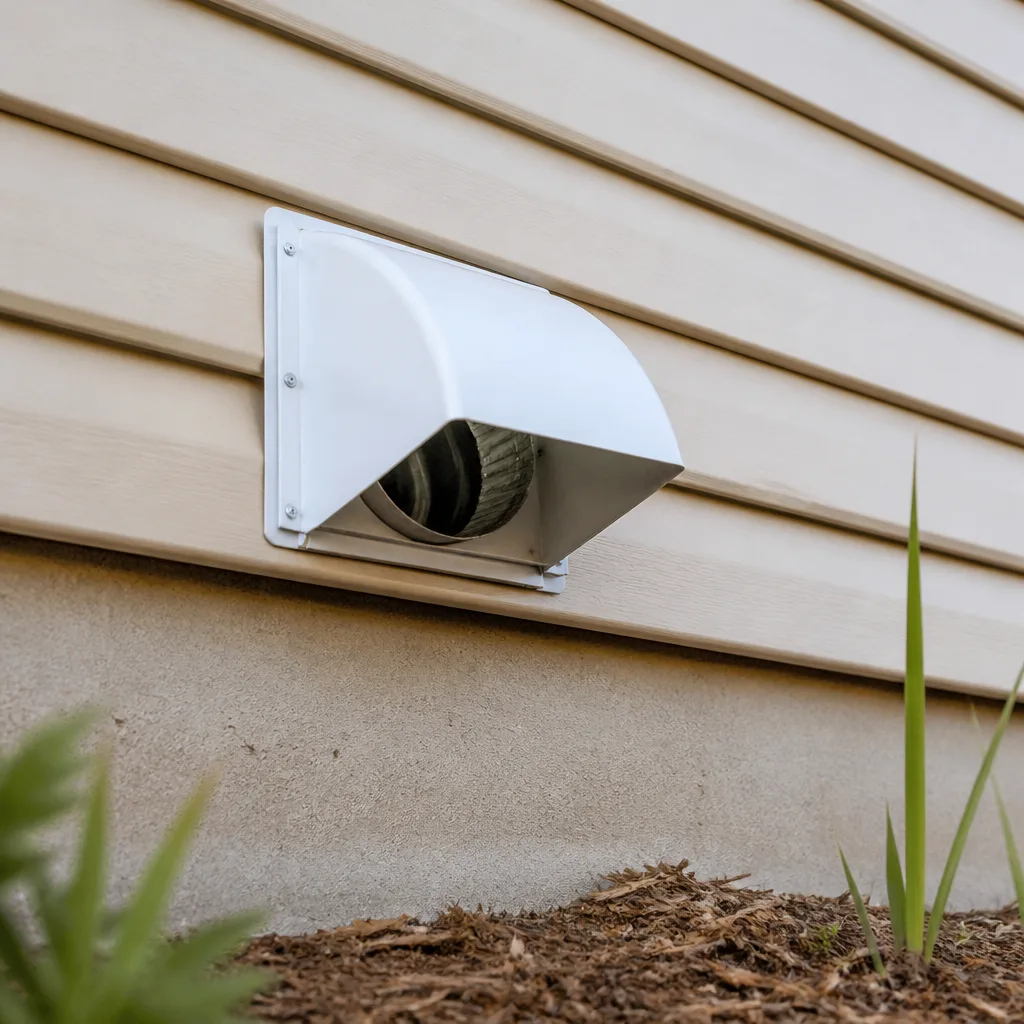 Dryer vent cleaning
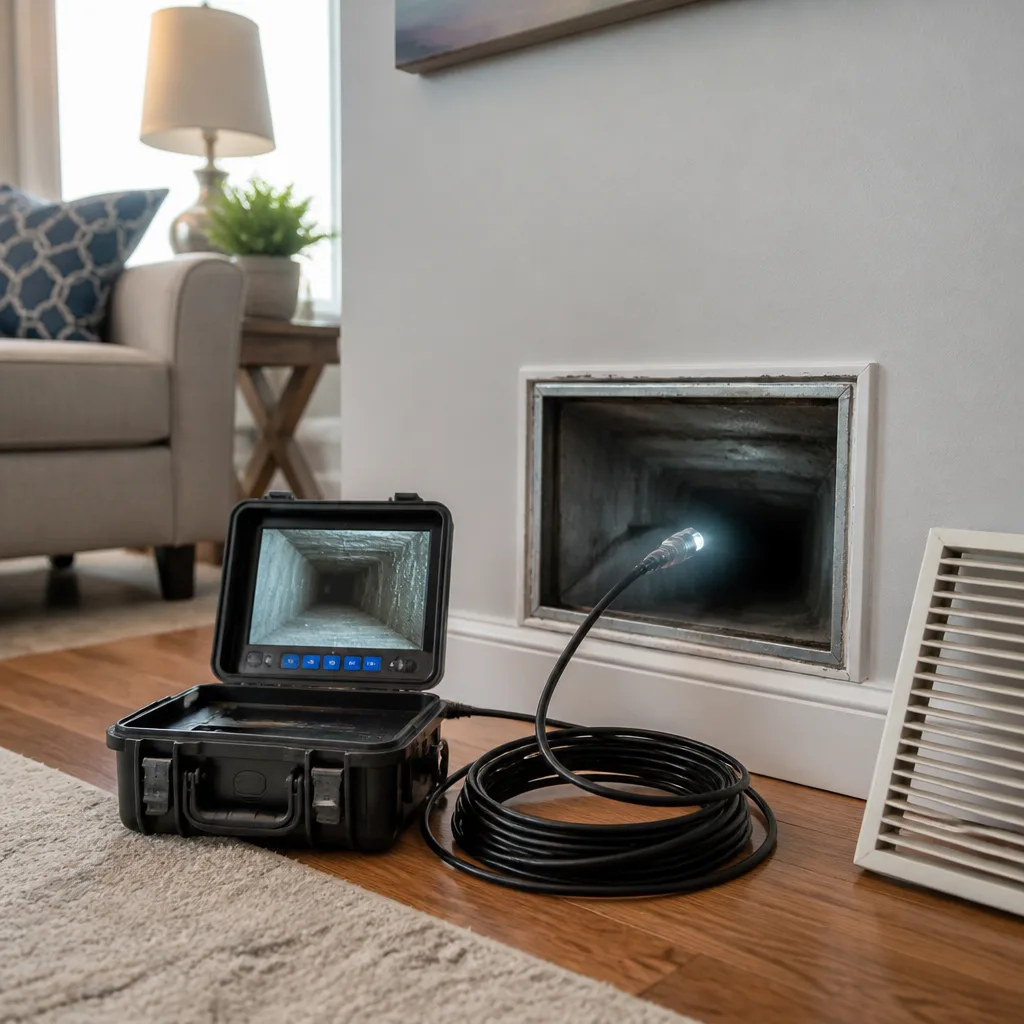 Camera inspection
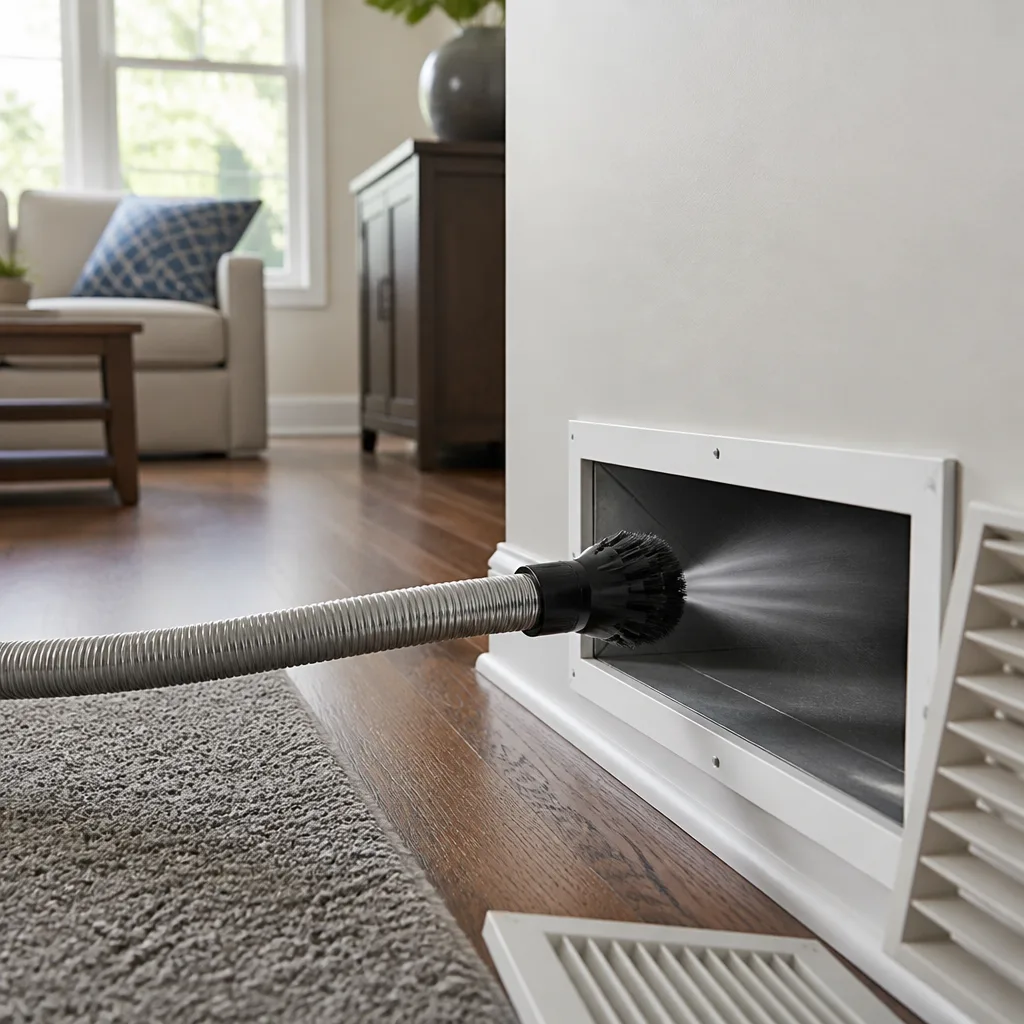 Sanitizing & deodorizing
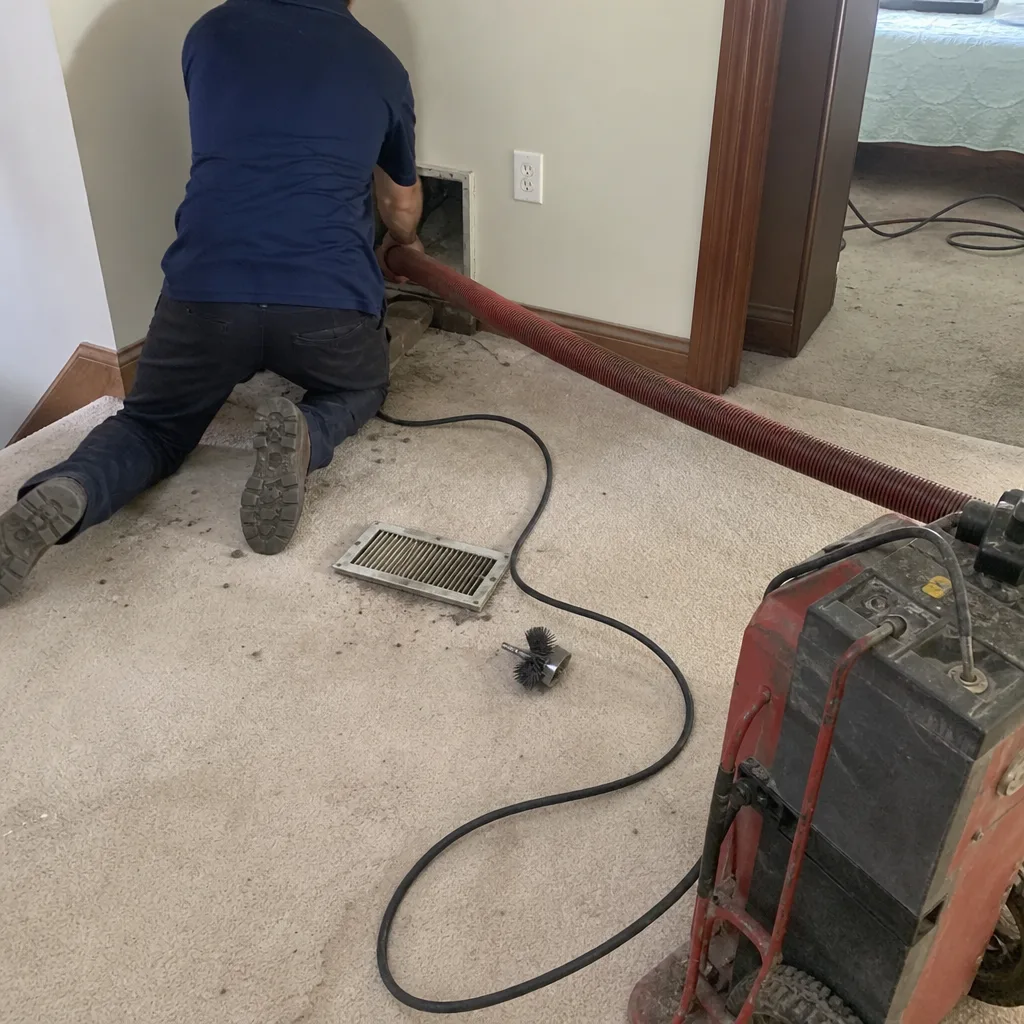
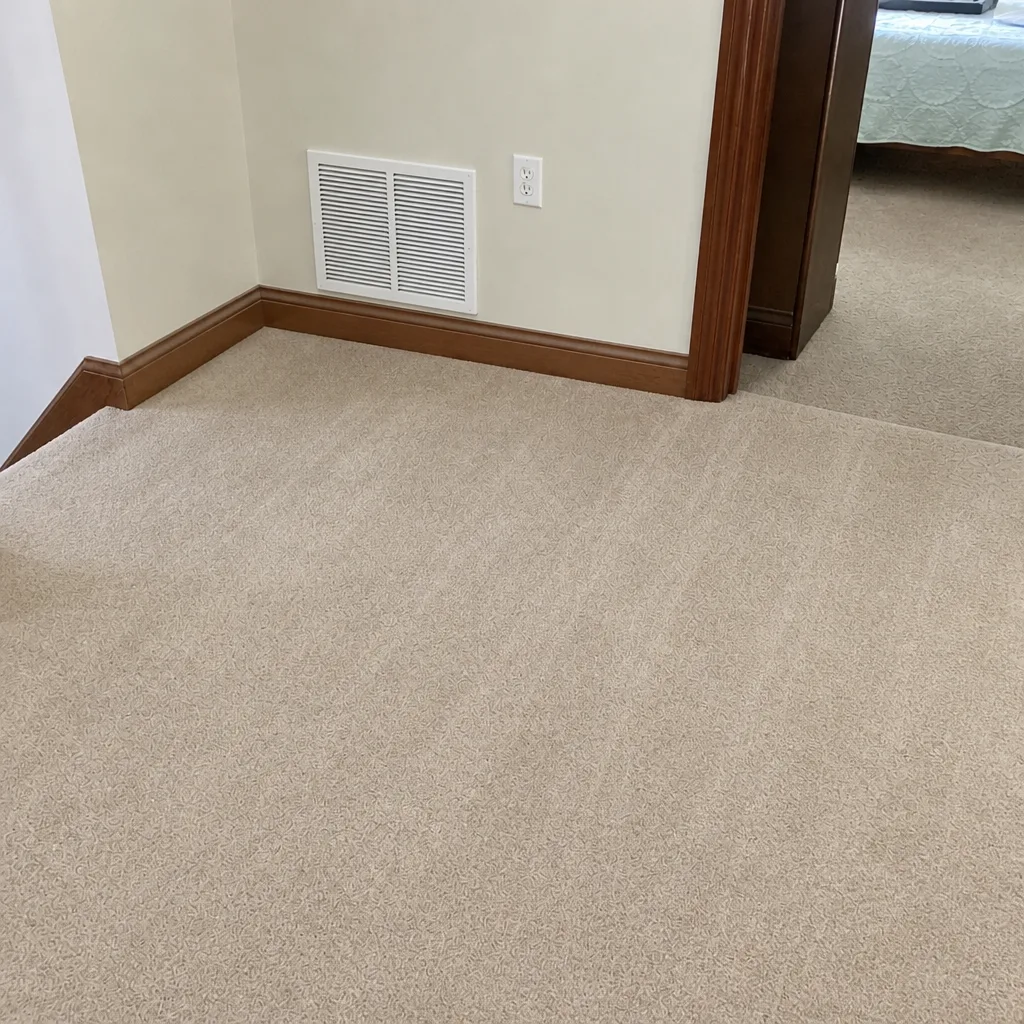
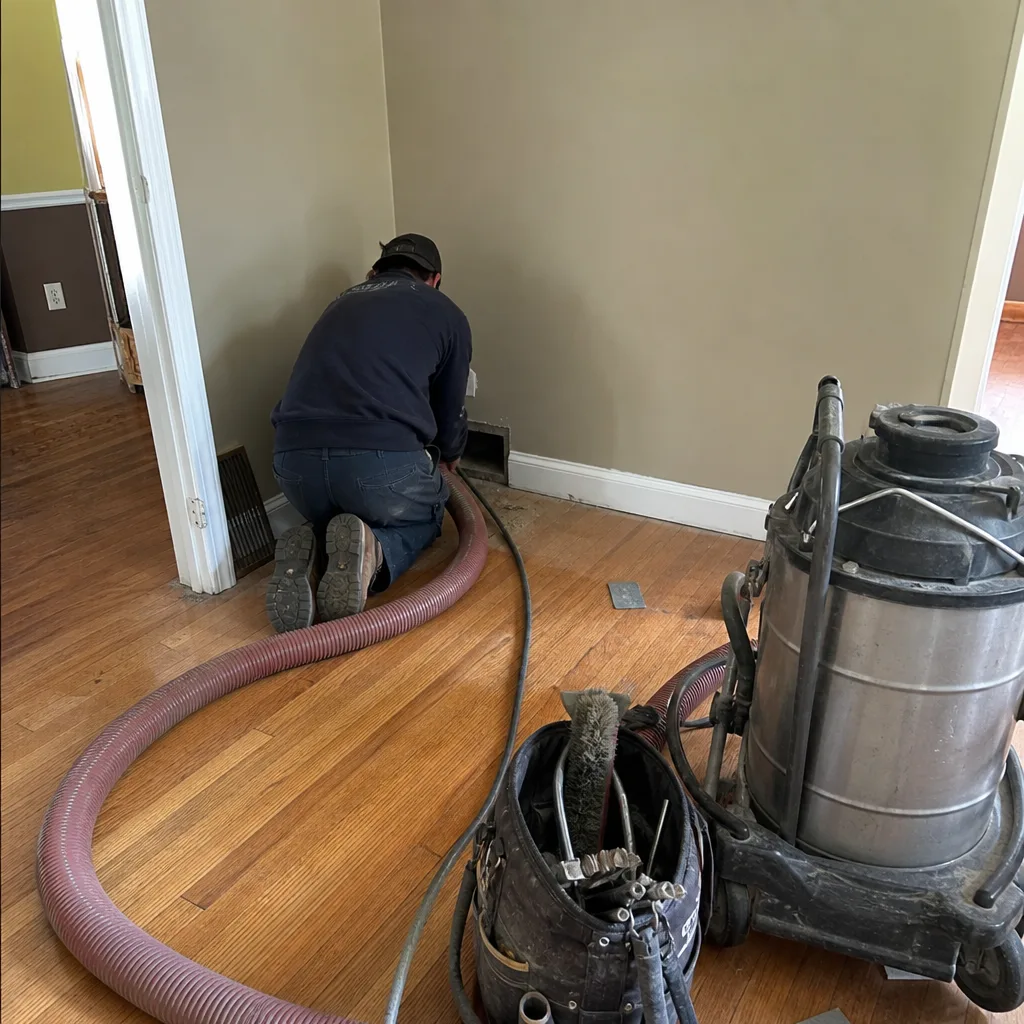
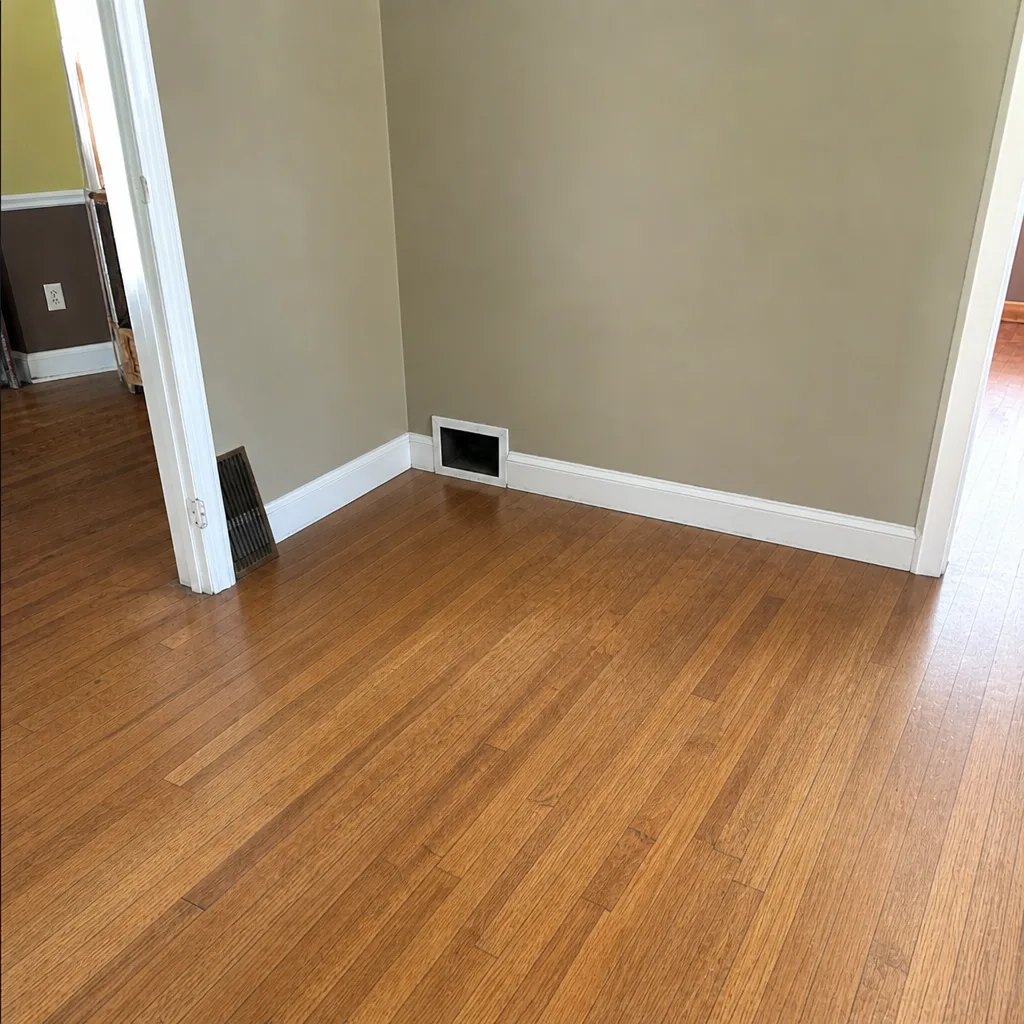
Whole-system duct and dryer vent check with before-and-after photos - you see exactly what came out of your vents
That "$99 whole-house special" is a bait ad - the real number appears once they are in your hallway, or the "clean" is a shop-vac at the register. We photograph the inside of your ducts before and after instead.
The Complete Guide to Air Duct Cleaning in Lynn
Most duct cleaning guides are written for a hypothetical house in a hypothetical climate. Lynn is not that house. The city’s dense triple-deckers, older single-families with original galvanized trunks, and the way heating systems here run hard from fall through spring all change what “clean” actually means inside your ductwork. The fix that works in a new subdivision in a dry climate often misses the real problem in a Lynn two-family with a mix of metal and later-added flex duct. This guide explains what accumulates in Lynn ducts, why it accumulates here faster than in inland Massachusetts homes, and what a thorough cleaning looks like from the first access panel to the final airflow test.
Quick Answer
Air duct cleaning in Lynn means removing built-up dust, debris, and microbial growth from the inside of your ductwork using source-removal equipment: negative pressure to contain what comes loose, rotary brushes (Rotobrush systems) to scrub the walls, and contact vacuuming (Nikro HEPA rigs) to pull it out, then verifying the result with static pressure readings and a camera inspection. In Lynn’s older housing stock, a brush-and-blow “cleaning” that just pushes debris into the living space does not count as clean. It takes access work, real equipment, and a check at the end.
Styles & brands we work with
- Whole-home duct cleaning
- Dryer vent cleaning
- Camera inspection
- Sanitizing & deodorizing
Table of Contents
- Why Lynn’s Housing Stock Changes the Problem
- Source-Removal vs. Brush-and-Blow: The Real Difference
- Mixed Metal and Flex Systems: Access Strategies
- Coastal Humidity and Microbial Growth Inside Ducts
- What Post-Cleaning Verification Should Include
- Why Lynn Ducts Re-Contaminate Faster
- Dryer Vent Cleaning: The Fire-Safety Side of the Job
- When Cleaning Isn’t Enough: Duct Repair
Why Lynn’s Housing Stock Changes the Problem
Lynn’s housing was built in layers. The triple-deckers that define so much of the city, the older single-family homes close to the downtown core, and the later additions and conversions layered onto both create a duct picture that is rarely simple. A single house on a residential side street can have a 1920s galvanized main trunk feeding original sheet-metal runs, a 1970s addition with a different metal gauge, and a 1990s flex-duct tap feeding a finished basement. Every section ages differently and every section accumulates differently.
What that means for cleaning is that a single pass with one tool cannot do the job. In our experience working on Lynn homes, the wide galvanized trunks hold heavy, compacted debris along the bottom of the run, where dust collects for years. The flex branches by contrast trap debris in the ribs, and the seams and folds catch material a rotary brush passes right over. A team that shows up with one brush and one shop vac and expects to handle all three sections is going to leave something behind.
Lynn’s density adds another factor. Triple-deckers and tightly spaced homes on small lots mean less separation between neighbors, and heating and cooling systems in one unit often share walls, floors, and penetrating runs with another. A significant portion of what recirculates through one unit’s ducts originates outside the unit. Cleaning the ducts in a Lynn triple-decker is not just a personal maintenance task; it is a sensible move for a shared building.
The practical takeaway: in Lynn, more than in a lot of Massachusetts towns, the plan on cleaning day depends on the house. The first step in any proper visit is a walk-through to see what you actually have. Where are the trunks, where are the branches, how many zones, where does each run terminate, and are there any sections you cannot reach without cutting an access panel. That map decides the tools and the order of work.
Source-Removal vs. Brush-and-Blow: The Real Difference
Cleaning a duct system the right way means taking the material out, not moving it around inside the house. Source-removal cleaning has three moving parts: containment, contact, and capture. Containment is negative pressure, holding the living space at a slightly lower pressure than the outside so that anything disturbed during cleaning is pulled toward the vacuum rather than toward your furniture. Contact is mechanical action, the brush or air whip physically touching the duct walls to break debris loose from surfaces. Capture is the vacuum system pulling that debris out through a HEPA filter and holding it in the machine, not releasing it back into the room.
The common alternative, and the one to watch for, is the brush-and-blow approach. A crew sends a spinning brush into the ducts and relies on an ordinary shop vacuum at the register to catch what comes out. Without real containment, the debris that gets loosened has to go somewhere. Often it goes directly into the living room. The other tell of a low-effort job: the “cleaning” is mostly done from outside through the register grilles, so the main trunks and the far branches never get touched.
What separates the two approaches on a practical level is the equipment. Rotary brush systems like Rotobrush are designed to bend through turns and scrub each wall of a round or rectangular duct in a single pass. HEPA vacuum rigs like the Nikro units we use capture fine particulate at a level a shop vac cannot match. Add an Abatement Technologies air filtration unit to hold negative pressure in the work area, and the cleaning happens inside a controlled envelope rather than in your hallway.
If you want a cleaner mental model: a real duct cleaning is a remediation task, and the tools and setup should look like remediation work. A system that pushes air and dust around the house is not the same job, even if the price sounds similar.
Mixed Metal and Flex Systems: Access Strategies
Older Lynn homes rarely have a single duct material running wall to wall. The original galvanized trunk in the basement or crawlspace is still doing most of the work, but at some point a flex-duct tap was added to feed a finished attic, a basement, or a rear extension. Mixed systems need different access points, different brush heads, and often a camera to see what the brush cannot feel.
Here is the general order of operations on a mixed-metal-and-flex system:
- Perform a visual walk-through and map every trunk, branch, and termination point, noting which runs are rigid metal and which are flexible.
- Open access panels on trunk lines where the standard register access is too small for the equipment.
- Set the containment and negative pressure rig before any cleaning begins, so every loosened particle is drawn into the vacuum and not into the room.
- Pull the flex branches first, using a lower-speed rotary tool that matches the flex rib spacing.
- Run full contact scrubbing on the rigid metal trunks and branches next, at the higher speed the sheet metal supports.
- Close and re-seal all access points, and confirm that flex connectors and collars are tight before restoring airflow.
The flex branches deserve special mention. Flex duct installed in the 1980s and 1990s in Lynn homes is often still inside the walls or finished ceilings, and its inner liner can degrade with age. Aggressive brushing can shred older flex. The right access strategy uses a gentler brush and more visual verification, because a technician cannot feel the liner giving way through a brush head.
There is a second reason mixed systems matter in Lynn. Where an older metal trunk was cut into to add a flex branch, the cut and collar is a common leak point. Those leaks pull unfiltered air from unconditioned spaces (a crawlspace, a garage ceiling, a wall cavity) directly into the ductwork and straight into the house. We can seal and repair those points in the same visit, which is where a cleaning-only company and a company that also does air duct cleaning and repair part ways.
Coastal Humidity and Microbial Growth Inside Ducts
Lynn sits on Massachusetts’ coastal plain, and the moisture profile in the air is not the same as it is in Worcester or the Berkshires. Summers here carry substantial humidity, and the shoulder seasons swing between damp and dry. Your ductwork is a metal box with return paths running through basement, crawlspace, and interior wall cavities. Metal surfaces in those spaces condense moisture when warm humid air meets a cool surface, and any dust film already inside the ducts is the food source microbes need to get started.
What that means in practice is that Lynn ducts accumulate more biological growth, not just more dust, than ducts in an inland home with the same square footage. Yeast, mold spores, and bacteria settle into the condensation film on galvanized duct walls. You may not smell them, but the visible evidence shows up in a camera inspection as discoloration and film on the metal.
That is why a proper Lynn cleaning includes a sanitizing step. Guardsman-brand products used in our service work are designed for post-cleaning application, applied after the physical debris has been removed, not as a replacement for it. Spraying a product into a dirty duct does not kill what is buried under the dust film. Cleaning first, then applying the sanitizer, is the order that works.
Humidity also affects how the return system behaves. A return duct pulling air from a basement that sees condensation in summer reintroduces moisture to the whole system. That makes fixing leak points and confirming any whole-home humidification setup (Honeywell and Aprilaire equipment is common in Lynn homes) part of the broader picture. Ducts don’t exist in isolation.
What Post-Cleaning Verification Should Include
A good cleaning is not verified by a technician saying it looks clean. It is verified with measurements and pictures. This is the step that most cut-rate crews skip, and it is the step that tells you whether the work actually happened.
What a complete verification looks like:
- Visual camera inspection inside the ducts. Before-and-after photos taken from the same camera positions, shared with the homeowner, showing the inside walls of the trunks and branches. This is the single most important check.
- Static pressure readings. A manometer measures the pressure differential across the system before and after cleaning. If the reading improves, the airflow through the ducts is genuinely better. If it does not change, the story is worth questioning.
- Register-by-register airflow check. A quick pass with an anemometer or hand test at every register, confirming uniform airflow and no suddenly dead branches. A register that flowed fine before and doesn’t after the cleaning is a red flag.
- Access panel re-sealing. Every panel opened during the cleaning should be re-sealed, and every flex-duct collar and connector tightened. Duct tape is not the right answer here; proper mastic or foil tape is.
- Post-cleaning photos of the work area. Not just the ducts: the room the crew worked in, showing it was left as clean as it was found.
When a crew asks you to look at before-and-after photos of your own ducts, take them seriously. When a crew tells you the ducts are clean and moves on, ask for the camera footage. A professional resists the shortcut because the equipment to verify is already on the truck.
Why Lynn Ducts Re-Contaminate Faster
Lynn’s heating season does most of the work in a typical year. Forced hot air systems run hard from October through April, sometimes longer. Every hour the furnace is running, the blower pulls air through the return ducts and pushes it through the supply side. That is the mechanism of re-contamination: dust that was in the living space travels into the return, coats the duct walls, dries out, and eventually gets pulled back out through the registers.
Compare that to what has changed in the last couple of decades. Homes are tighter. New windows and weatherstripping reduce how often the house turns its air over. In an older Lynn home where the envelope is a work in progress, the run hours on the heating system and the tighter envelope together mean more particle load recirculating through the ducts per hour of operation than in a draftier house.
What that means for cleaning intervals:
- Homes with pets, forced hot air, and heavy run hours: repeat cleaning consideration every three to four years.
- Homes with no pets, recent filter upgrades, and moderate run hours: five years or longer between cleanings is reasonable.
- Homes with a renovation in progress, a recent water intrusion, or a visible dust film at the registers: sooner, regardless of the calendar.
- Triple-deckers and multi-unit buildings where one system serves several units or shares returns: shorter intervals, generally.
The real signal is not a calendar recommendation. It is what you see at the registers, what the filter looks like when you change it, and whether anyone in the home has noticed a persistent change in how the air feels or smells. That is the trigger to get the ducts looked at.
Dryer Vent Cleaning: The Fire-Safety Side of the Job
Lint that builds up in a dryer vent is one of the most common causes of residential house fires in the country, and Lynn’s older housing stock makes it worse because vent runs are frequently longer and more convoluted than they should be. The dryer works, the load comes out warm, and the homeowner has no idea that the exhaust side of the system is slowly plugging up. That is the failure mode worth taking seriously.
What to check before and after:
- Time a normal load. If the dryer takes noticeably longer than it did a year ago, the vent may be restricting airflow.
- Feel the exterior vent flap while the dryer is running. Air should push it open smartly; a limp or barely-moving flap points to a restriction.
- Look behind the dryer at the transition hose. The crinkly foil or plastic type collapses and traps lint in the folds; rigid metal is safer.
- Run a vent brush and vacuum from the exterior vent and then the dryer end, capturing lint in a HEPA vacuum rather than letting it exhaust into the room.
- Confirm the exterior flap closes fully and any screen or cage is removed; those screens trap lint and turn a vent into a fire hazard.
Cleaning the vent is a fire-safety service, not a comfort-service upsell. When we handle dryer vent cleaning in Lynn, the same HEPA vacuum equipment that handles ducts handles the vent line, and the same guardsman sanitizing products are on hand for finish work when needed. It is the part of the visit most homeowners underestimate until they see what comes out.
When Cleaning Isn’t Enough: Duct Repair
A camera inspection in Lynn’s older homes regularly turns up duct problems that no cleaning will fix on its own. Disconnected flex runs in a wall cavity. Collapsed flex in an attic. Collar joins that have pulled apart. Gaps at trunk seams. Pierced duct walls from previous work. The result is the same symptom as a dirty duct: uneven airflow, hot and cold rooms, dust coming out of the wrong places. The fix is a repair.
Duplicates to the duct tape fix deserve a mention. So does the “seal it from the outside” approach. Neither holds up in a real duct system. Proper repair means opening the affected run, examining what is actually there, and rebuilding the connection with materials rated for the duct and the temperature. Where the ductwork is original metal in good enough shape, the repair is a patch and re-seal. Where flex has collapsed or frayed, replacing the section is usually the right call. Where a connector or collar has pulled free, refitting and sealing restores the run.
Being able to do this on the same visit as the cleaning is a significant difference. Handing the homeowner a list of “you need a separate contractor for that” leaves the duct in its compromised state between visits, and any cleaning done on a compromised system partially re-contaminates it as soon as the system runs. Full info on what falls under Lynn service, and how the repair scope gets scoped on the estimate, is on the page, but the essential point is that cleaning the ducts and repairing the ducts belong in the same visit.
Whole-home air quality systems are worth a mention here as well. Where a Honeywell or Aprilaire humidifier or air cleaner is tied into the system, damaged ductwork undermines what the equipment is trying to do. Getting the envelope right is the first step, and the purification and filtration conversation makes sense after that.
Common Mistakes to Avoid
- Hiring the brush-and-blow team. A crew that pushes a brush through without containment is moving dust, not removing it. Ask on the call what vacuum system they bring and whether they set negative pressure.
- Believing the “clean” without verification. Before-and-after photos of your own ducts and static pressure readings are the check. If a crew cannot show you either one, the price starts to look expensive for what you got.
- Skipping the flex-duct branch. In Lynn homes with mixed metal and flex, the flex branches are often where most of the contamination lives. A cleaning that hits the trunks but ignores the branches leaves the majority of the problem.
- Getting the ducts cleaned before a renovation. Demo dust, drywall powder, and construction debris will fill the system during the work. The order is: renovate, then clean. Cleaning before a renovation is throwing the money away.
- Ignoring the return side. The return ducts carry the same volume of air as the supply and see the same accumulation. A cleaning that only touches the supply side is a half-job.
- Replacing the filter but not reconnecting the flex. The filter upstream of a disconnected flex is pulling clean air from around a filter and dumping it into a wall cavity. Fix the leak first.
- Treating dryer vent cleaning as optional. It is the one part of the home’s air system where “I’ll get to it eventually” becomes a fire risk. Lint plugged into a long vent run on an older Lynn house is a real hazard, not a maintenance task to shuffle.
See the difference
 Before
 After
 Before
 After
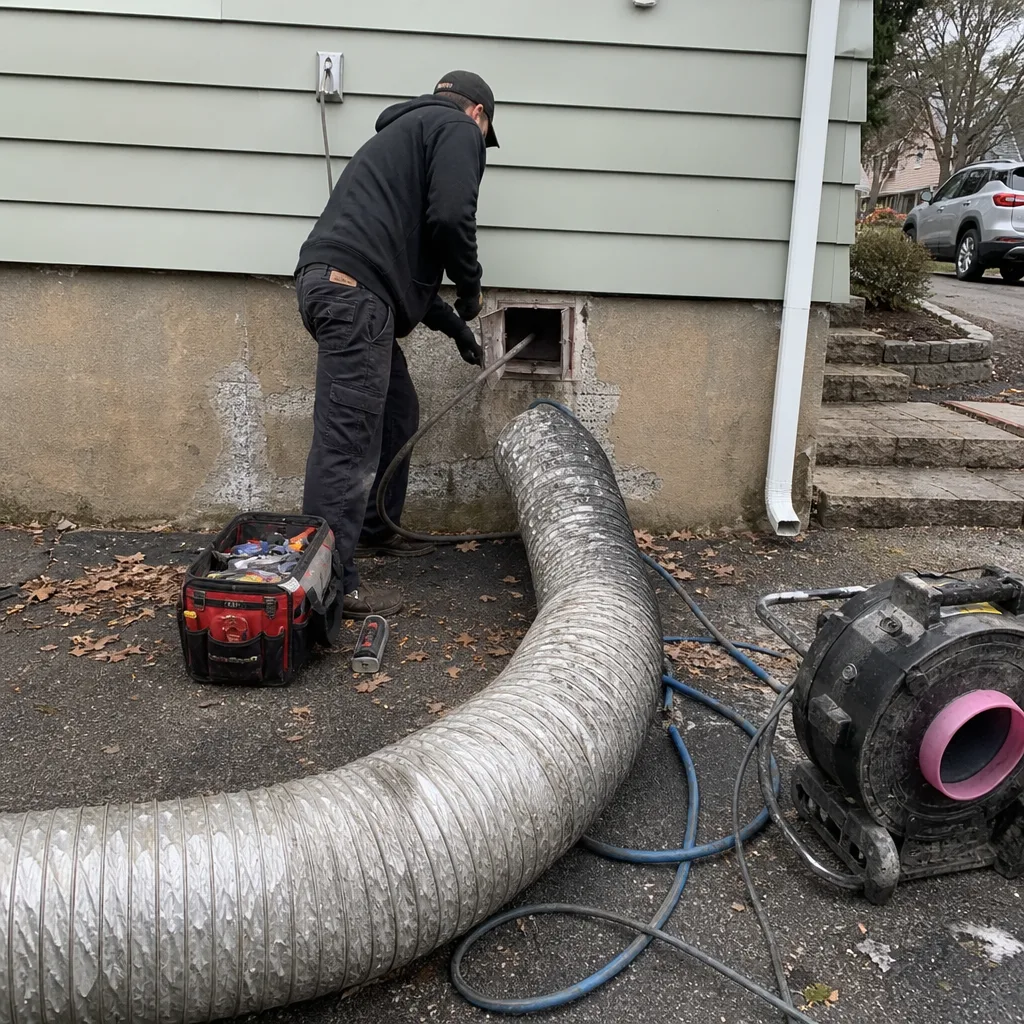 Before
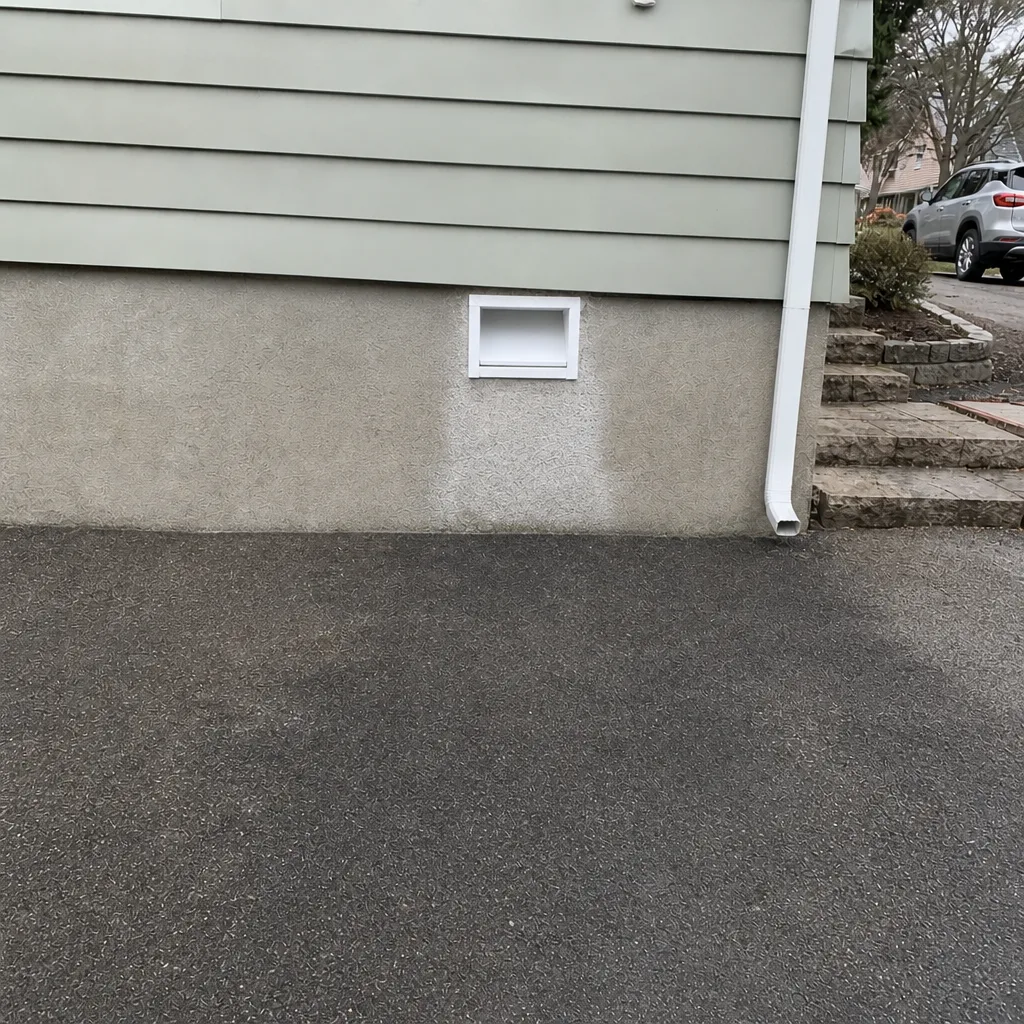 After
When to Call a Professional
Some duct problems you can manage with a filter change and a register vacuum. Others need the full setup. Call a professional when you see visible dust build-up at multiple registers, when one room is noticeably colder than the others and the pattern has not changed with filter swaps, when the house has a musty smell that does not go away, when anyone in the home has developed new allergy symptoms that track with time indoors, when there has been a renovation, water intrusion, pest activity, or a visible hole in the ductwork. The same holds for dryer vent runs that are long, that turn sharply, or that have not been checked in years. Duct Cleaning Lynn offers free estimates in Lynn; call (888) 392-6109 to book one. We answer 24/7. Fast dispatch from 7am to 7pm, Sunday through Friday. The estimate comes in writing, and the price is set by that estimate before any work begins.
Frequently Asked Questions
Typical whole-system duct cleaning in Lynn is quoted as one flat price per system rather than per vent, usually in the range that fits the size of the home and the number of branches – a single-family system lands in one band, a triple-decker unit in another. We don’t quote per-vent or use teaser pricing because both lead to the bait-and-switch the industry is known for. The exact price for your house comes from the written estimate, which you get for free. Call (888) 392-6109 to schedule one.
Cheap quotes usually reflect cheaper work: no negative-pressure containment, no HEPA vacuum, no camera verification, and no repair capability if the inspection finds a problem. The price looks smaller because a lot of the job is being skipped. Our quotes are built around professional-grade equipment (Rotobrush, Nikro, Abatement Technologies) and the time it takes to use it on every branch. Call (888) 392-6109 for a free estimate and see the difference in what the quote includes.
You know because you see the before-and-after photos of your own ducts taken from the same camera positions, and because static pressure readings are shared with you before and after. The crew walks you through the airflow check register by register. If your crew can’t show you any of that, ask why. With us, the verification is part of the standard visit, not an add-on. Call (888) 392-6109 to book.
Most Lynn homes fall into a three-to-five-year window, with the shorter end applying to homes with pets, heavy forced-air heating run hours, or mixed metal-and-flex systems. Homes with no pets, newer filters, and moderate use often go longer. The better trigger than a calendar is what you see at the registers and how the filter looks. When in doubt, get a look and ask. Call (888) 392-6109 to schedule a free estimate.
We handle dryer vent cleaning as a core service, not as an add-on. It’s part of the same visit for most Lynn homes because a plugged dryer vent is a fire-safety issue, not a comfort upgrade. The same HEPA equipment that cleans the ducts cleans the vent line, and the same verification applies. Call (888) 392-6109 to include the vent on your estimate.
We repair it. Air duct repair is one of our three services, which means a disconnected flex, a pulled collar, or a punctured run gets fixed in the same visit as the cleaning rather than being handed off to a second contractor. The repair scope is included in the written estimate. Call (888) 392-6109 to book a free estimate; if you want the detail on how the whole service fits together, start with Duct Cleaning Lynn.
The Bottom Line
Clean ducts in Lynn start with understanding what kind of housing you’re in. Triple-deckers, older single-families, and mixed metal-and-flex systems each have their own contamination patterns, and the coastal humidity pushes microbial growth in ways that inland Massachusetts homes don’t see. The right cleaning job is a source-removal job: containment, contact scrubbing, HEPA capture, then verification with camera and static pressure. Add dryer vent cleaning because it’s a fire-safety service, and fix the ductwork when the inspection finds problems rather than leaving them. Call (888) 392-6109 for a free estimate. We answer 24/7. Fast dispatch from 7am to 7pm, Sunday through Friday.
Written by the team at Duct Cleaning Lynn.